Poor posture is a leading cause of back pain. Ensure your workspace supports a neutral spine.

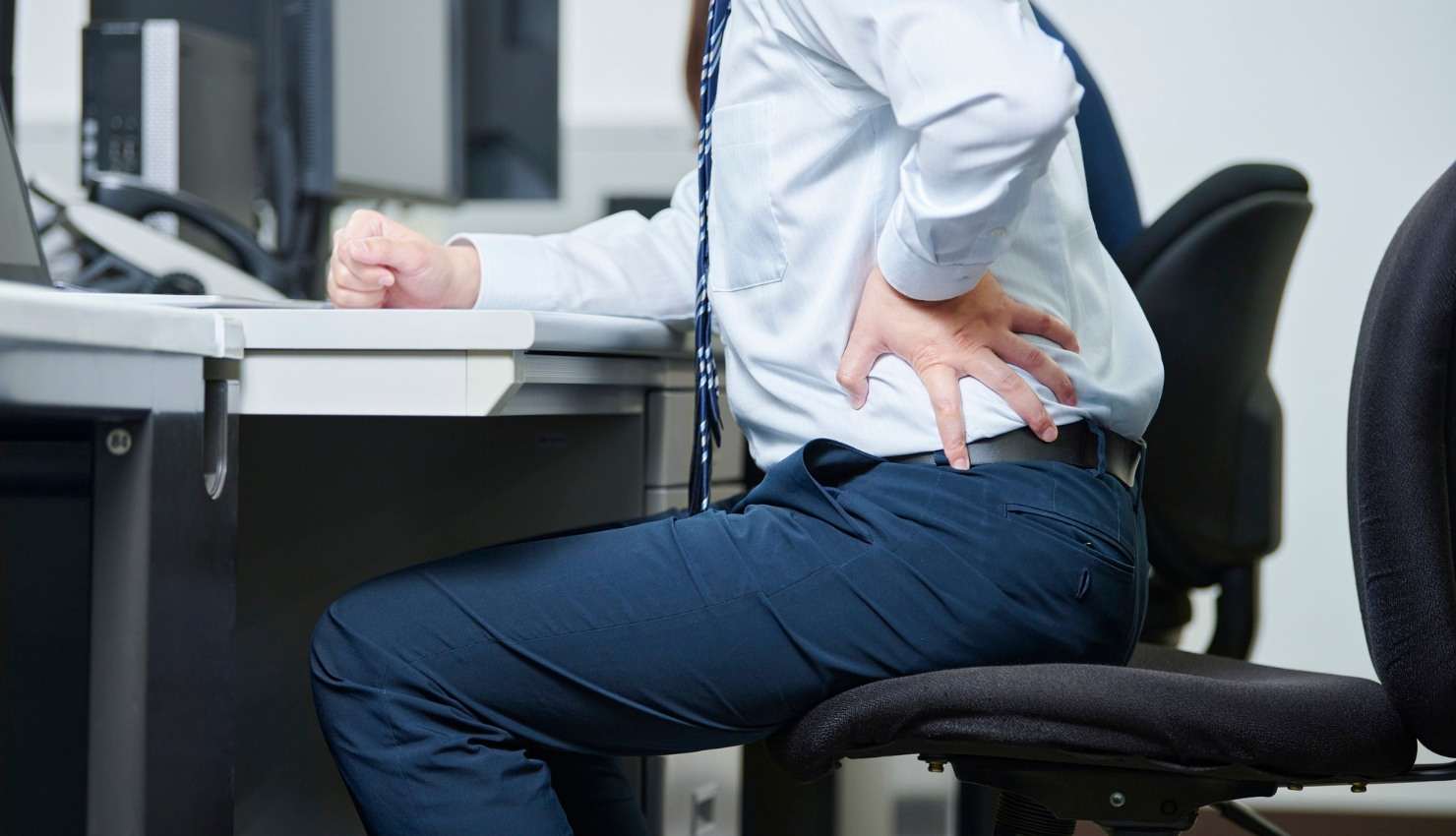
Poor posture is a leading cause of back pain. Ensure your workspace supports a neutral spine.
Chair: Use one with lumbar support.
Monitor: At eye level to avoid neck strain.
Desk: Arms should be at a 90-degree angle when typing.
Feet: Flat on the floor or a footrest avoid dangling legs.
Physio Tip: If no ergonomic chair is available, roll up a towel for lower back support.
? 2. Practice Desk Stretches Every Hour
Sitting for long periods shortens hip flexors and weakens back muscles. Gentle stretching offsets these effects.
Quick Stretches:
Seated spinal twist
Shoulder rolls
Neck side stretch
Standing backbend
Physio Tip: Use the Pomodoro technique (25 min work, 5 min break) to remember to stretch regularly.
? 3. Engage Your Core
A strong core supports your spine and reduces back strain.
Try:
Seated abdominal bracing (tighten your stomach like youre preparing for a punch)
Pelvic tilts
Bridge exercises (on a mat or bed)
Physio Tip: Do 12 core exercises daily; they only take 5 minutes and protect your back long-term.
? 4. Mind Your Sitting Posture
Slouching or leaning forward stresses the spine and soft tissues.
Good Posture Checklist:
Sit tall with shoulders relaxed
Keep ears in line with shoulders
Avoid crossing legs
Use armrests to avoid shoulder tension
Physio Tip: Place a sticky note or phone reminder with “Sit Tall!” on your screen to cue awareness.
? 5. Use Heat or Self-Massage for Early Tension
At the first sign of tightness or discomfort:
Apply a warm compress or hot water bag for 1520 minutes
Use a foam roller or tennis ball against the wall for gentle self-massage
Physio Tip: Dont wait for pain treat tension early to prevent inflammation.