Children’s feet grow rapidly, and custom orthotics can correct alignment issues and prevent future pain.

You’re watching your kid walk — maybe a bit knock-kneed, flat-footed, or pigeon-toed.
Someone at school, in sports, or maybe even your doctor mentions orthotics.
“Should we get them custom insoles?”
“Will this fix their gait?”
“Are they going to have knee or back problems later?”
Totally valid questions — and ones we hear all the time at YFS (Your Form Sux).
But before you spend hundreds on shoe inserts, here’s what you need to know:
👣 What Are Orthotics?
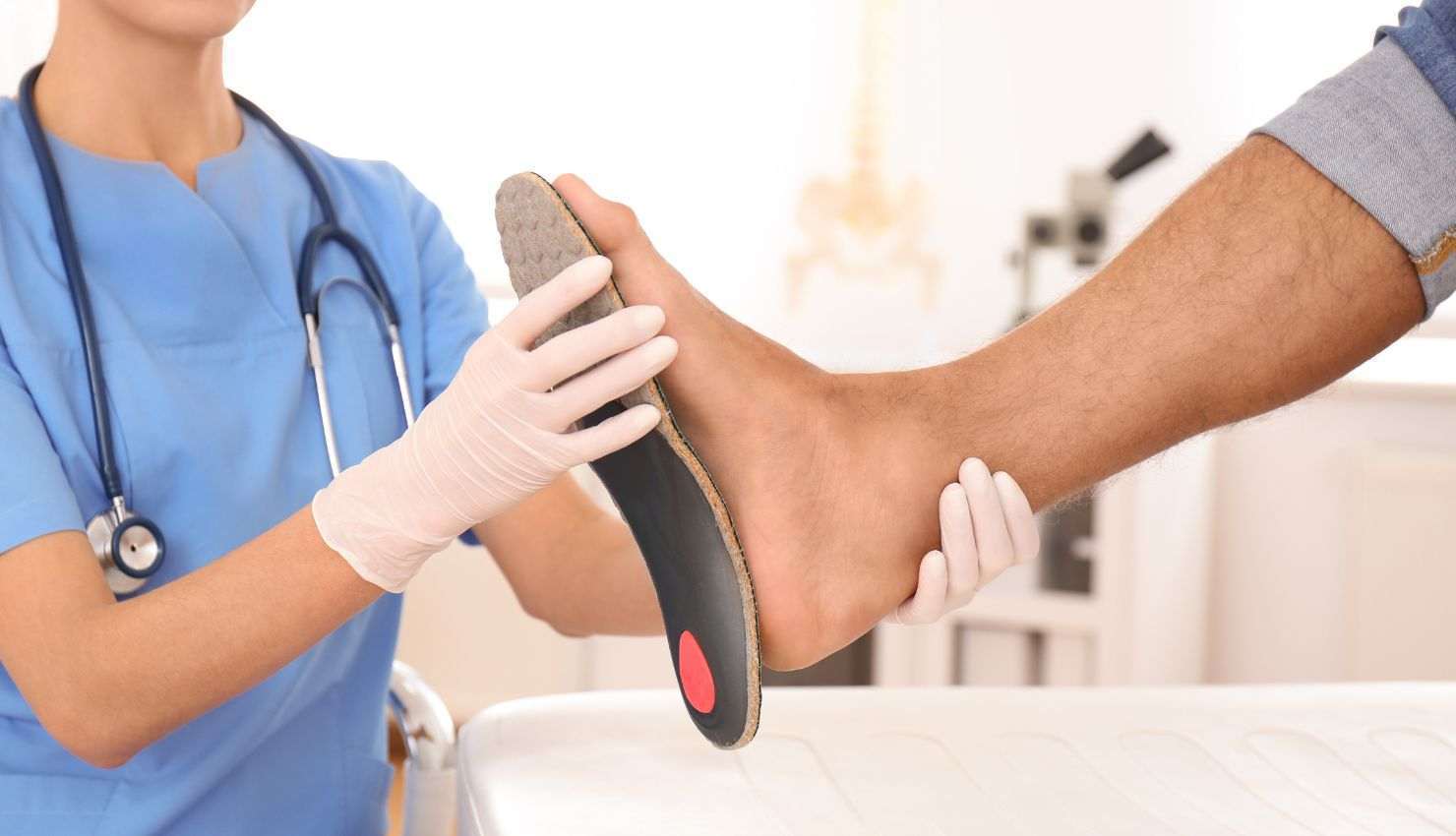
Orthotics are custom or over-the-counter inserts placed inside shoes to support the arch, heel, or entire foot.
They’re commonly recommended for:
- Flat feet
- Overpronation (rolling inward)
- Toe walking
- Knee pain or hip pain
- Postural correction
- Balance or walking concerns
In adults, they’re often used to help manage pain or compensate for structural issues.
In kids? It’s more complicated.
🧠 The Growing Body Is Still Adapting
Here’s the big truth:
Children’s feet, arches, knees, and gait are constantly changing.
Flat feet? Normal in toddlers.
In-toeing or out-toeing? Often resolves with age.
Wobbly or awkward gait? Often due to immature nervous system development.
Most of these things are part of the process — not problems to “correct.”
In fact, the foot arch doesn’t fully develop until around age 6–7.
Trying to “force” alignment too early with orthotics may actually interfere with natural development.
🛠 So… When Do Orthotics Make Sense for Kids?
There are times when orthotics can be helpful — but only with proper assessment.
They may be useful if your child:
- Has pain with walking or standing (especially chronic or worsening)
- Experiences recurrent injuries in feet, ankles, knees, or hips
- Has a diagnosed structural condition (e.g., cerebral palsy, spina bifida)
- Has significant muscle tone issues or neurological concerns
- Isn’t progressing in motor skills as expected for their age
- Has foot posture that’s not improving past age 7–8
But again — orthotics aren’t a fix.
They’re a support tool. And they should always be paired with functional rehab, strength work, and movement re-training.
🏃♀️ Our Philosophy at YFS: Train the Movement, Not Just Pad the Shoe
Here’s how we approach it:
- We assess your child’s gait, balance, joint alignment, and muscle control
- We look at how they move — not just how they stand
- We evaluate their core, hips, and nervous system (because foot posture often starts upstream)
- We build age-appropriate movement games and strength work to support proper development
And if orthotics are truly needed, we make sure they’re temporary, strategic, and paired with active intervention.
Because movement — not passive support — is what rewires growing bodies.
⚠️ Red Flags to Watch For
If your child has any of the following, it’s worth getting a functional assessment:
- Ongoing foot, knee, or hip pain with no clear injury
- Limping or favouring one side
- Trouble keeping up with peers during physical activity
- Clumsiness, frequent tripping, or balance issues
- One foot that rolls in significantly more than the other
- Posture that seems “collapsed” or always hunched
These may point to compensations, imbalances, or developmental patterns that need attention — not just a shoe insert.
✅ Bottom Line: Orthotics Can Help, But They Shouldn’t Be the First (or Only) Tool
Your child’s body is growing, adapting