If you’ve been battling muscle pain, tightness, or nagging trigger points that just wont quitdry needling might be the relief tool you’ve been searching for. While it sounds a bit intense (we get it”needling” doesnt exactly scream relaxation), this technique has become a game-changer in modern pain management.

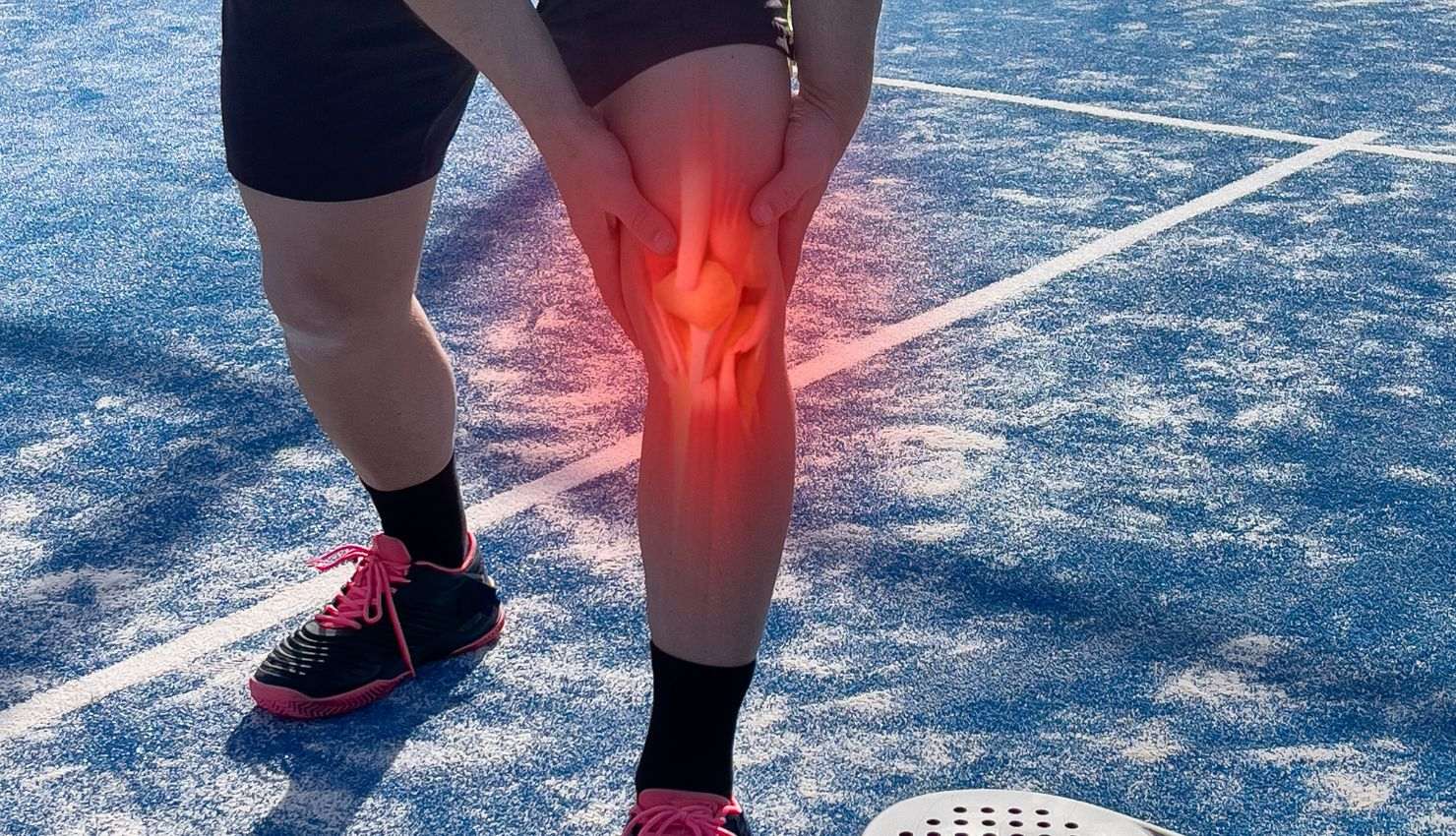
If you’ve been battling muscle pain, tightness, or nagging trigger points that just wont quitdry needling might be the relief tool you’ve been searching for. While it sounds a bit intense (we get it”needling” doesnt exactly scream relaxation), this technique has become a game-changer in modern pain management. So, whats it all about? Lets dive in.
What Is Dry Needling?
Dry needling is a therapeutic technique used by physical therapists and other trained professionals to treat muscle pain and dysfunction. Thin, sterile needles are inserted directly into trigger points or knotted musclesno medication involved, hence the term “dry.”
The goal? To release tension, improve blood flow, and reduce pain. Its often confused with acupuncture, but dry needling is grounded in Western medicine principles and anatomy.
So, Why Are People Raving About It?
Heres why dry needling is making waves in the world of pain relief:
1. Relieves Muscle Tension Fast
Dry needling targets tight bands of muscle (those pesky trigger points), which can cause localized pain and restrict movement. Once the needle hits the trigger point, the muscle often twitches and then relaxesjust like magic.
2. Reduces Chronic and Acute Pain
Whether you’re dealing with long-term pain or something more recentlike a sports injury or postural straindry needling can be an effective option. It helps reduce pain by disrupting the pain signals sent to your brain and encouraging the release of natural painkillers like endorphins.
3. Improves Range of Motion
Got stiff shoulders? Achy hips? Dry needling can help loosen things up. By breaking up tight muscle fibers and improving blood flow, it helps restore your range of motion, which is crucial for anyone looking to stay active or simply move without discomfort.
4. Enhances Recovery and Performance
Athletes love this technique. Why? Because it can speed up muscle recovery and keep injuries at bay. Many combine dry needling with other treatments like physical therapy or massage for a more holistic recovery plan.
5. Targets the Root Cause of Pain
Instead of masking symptoms with pain meds, dry needling goes straight to the source. It addresses the muscular issues causing discomfort, making it a valuable tool for long-term pain management.
Conditions Dry Needling Can Help With
Dry needling isnt just for athletes. Its been shown to help with:
Lower back pain
Neck tension and headaches
Sciatica
Shoulder impingement
Tennis elbow
Plantar fasciitis
TMJ (jaw pain)
And more…
If your pain is muscle-related, theres a good chance dry needling could help.
Is It Painful?
Lets be honestits not a spa massage. But most people describe it as a quick pinch or muscle twitch, not unbearable pain. Many feel sore for a day or two afterward, kind of like you worked that muscle really hard. Totally normal!
Is Dry Needling Right for You?
If you’re tired of living with chronic pain, stiffness, or limited mobility, it might be time to talk to a qualified provider about dry needling. Whether it becomes part of your physical therapy plan or a regular recovery tool, its worth exploring.
Always make sure youre working with a certified and licensed practitioner. And remembereveryone’s body responds differently, so what works wonders for one person might feel different for another.
Final Thoughts
Dry needling isnt just a trendits a tried-and-true technique backed by science and used by thousands of patients to live better, more mobile lives. If pain has been holding you back, this might just be the needle that turns things around.