Managing chronic pain while staying active can be challenging, but it is essential for overall health and well-being. Regular physical activity can help reduce pain intensity, improve mood, strengthen muscles, enhance flexibility, and prevent long-term issues like muscle weakness or joint stiffness.

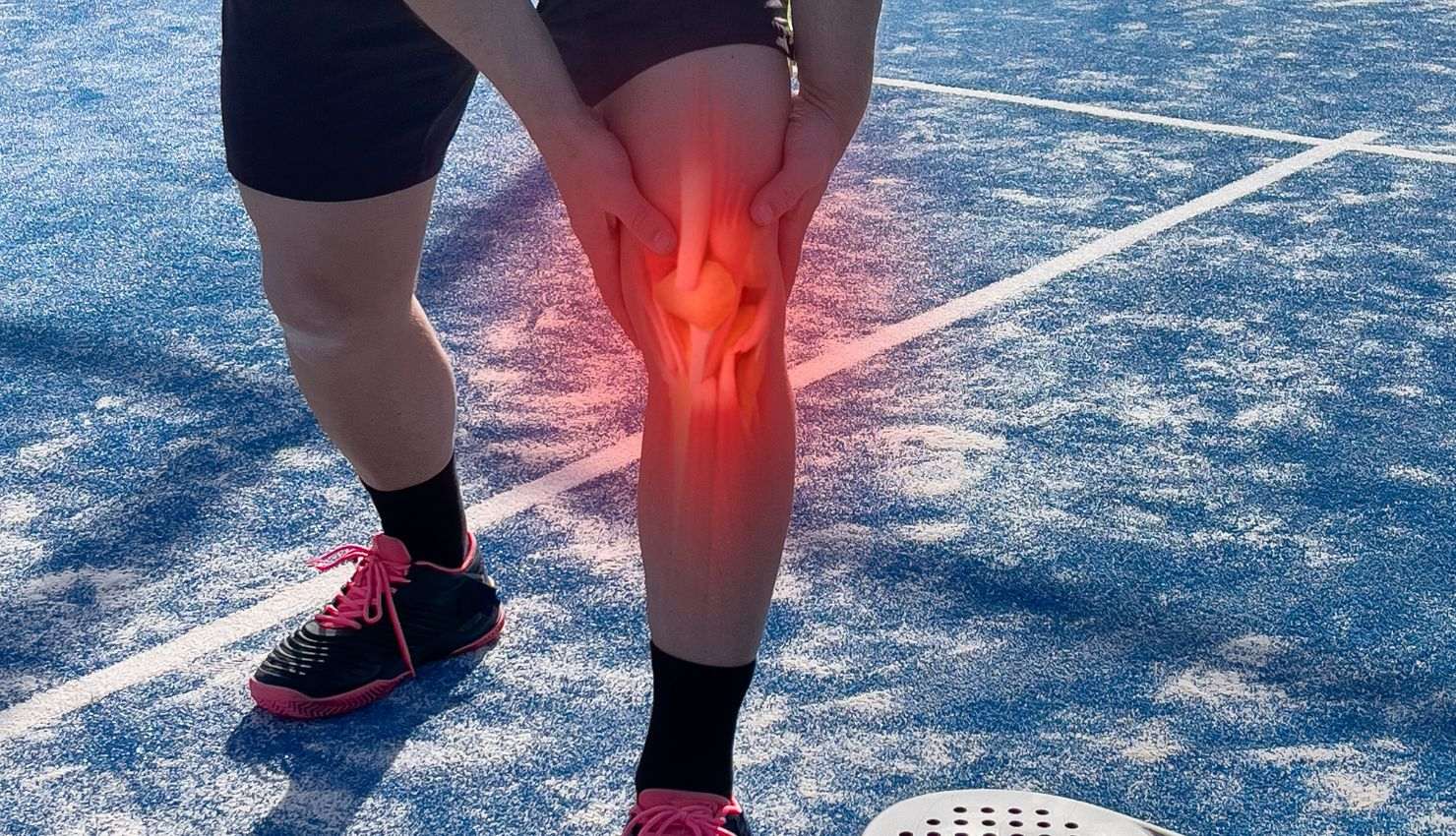
Managing chronic pain while staying active can be challenging, but it is essential for overall health and well-being. Regular physical activity can help reduce pain intensity, improve mood, strengthen muscles, enhance flexibility, and prevent long-term issues like muscle weakness or joint stiffness. Heres how to stay active while managing chronic pain:
### 1. **Consult with a Healthcare Provider**
Before starting or modifying an exercise routine, it’s important to consult with your healthcare provider, such as a doctor or physiotherapist, especially if you have a chronic pain condition. They can give you personalized advice on the types of exercise that are safe and beneficial for your specific situation.
#### Why Its Important:
* **Safety**: Ensure youre not engaging in activities that could worsen your condition.
* **Personalized Plan**: Develop an exercise plan that works with your pain levels, condition, and overall health.
### 2. **Start Slowly and Progress Gradually**
Its crucial to start slow when managing chronic pain. Overexertion can lead to flare-ups and setbacks. Begin with low-intensity exercises and gradually increase the duration and intensity as your body adapts.
#### How to Start:
* **Begin with Short Sessions**: Start with just 10-15 minutes of low-impact exercises and increase gradually as you feel comfortable.
* **Monitor Your Body**: Pay attention to your pain levels before, during, and after exercise. If you experience pain, reduce the intensity or duration of your workout.
### 3. **Choose Low-Impact Activities**
Low-impact exercises are easier on your joints and muscles, which can be especially helpful for people with conditions like arthritis, back pain, or fibromyalgia.
#### Great Low-Impact Activities:
* **Walking**: A great way to stay active without putting stress on your body.
* **Swimming or Water Aerobics**: Water supports the body, reducing stress on your joints and muscles.
* **Cycling**: Whether on a stationary bike or outdoors, cycling is gentle on the lower body joints.
* **Yoga**: Gentle yoga can improve flexibility, reduce stress, and relieve pain. Look for restorative or gentle yoga classes.
* **Tai Chi**: A gentle form of martial arts that promotes balance, flexibility, and strength through slow, controlled movements.
### 4. **Incorporate Stretching and Flexibility Exercises**
Tight muscles and restricted range of motion are common contributors to chronic pain. Regular stretching can help reduce tension, improve flexibility, and enhance overall mobility.
#### Key Stretches to Consider:
* **Neck and Shoulder Stretches**: For those with neck pain or tension, stretching can relieve muscle tightness.
* **Hip Flexor and Lower Back Stretches**: These help alleviate discomfort in the lower back and hips, especially for those with prolonged sitting or standing.
* **Leg Stretches**: Stretching the hamstrings and calves can help reduce tension in the lower back and legs.
### 5. **Strengthen Core and Supportive Muscles**
Building strength in the muscles that support the spine, pelvis, and joints can significantly reduce the strain on your body and alleviate chronic pain, particularly in the lower back, hips, and shoulders.
#### Strengthening Exercises:
* **Core Strengthening**: Exercises like bridges, pelvic tilts, and planks strengthen the muscles of the core, which helps support the spine and reduce lower back pain.
* **Upper and Lower Body Strengthening**: Gentle strength exercises for the legs, arms, and shoulders can also help improve overall stability and reduce pain by increasing muscle support around affected joints.
### 6. **Listen to Your Body**
One of the most important things when staying active with chronic pain is to listen to your body and adjust your activity as needed. Pushing through pain can cause more harm than good.
#### Tips for Listening to Your Body:
* **Pain vs. Discomfort**: Its important to differentiate between normal muscle fatigue and pain. If you feel pain, stop and assess if you need to modify the exercise or rest.
* **Take Breaks**: If youre feeling fatigued or your pain is increasing, take a break or modify the activity.
* **Rest When Needed**: Incorporate rest days into your routine to allow your body to recover and reduce the risk of injury.
### 7. **Modify Activities and Movements**
Some movements may aggravate your chronic pain, so its essential to find alternatives or modify the activity. For example:
* **Substitute High-Impact Activities**: If running or jumping aggravates your condition, try walking, cycling, or swimming instead.
* **Avoid Repetitive Strain**: If your job or daily routine involves repetitive movements, break them up with rest, stretching, and a change in activity.
* **Use Supportive Equipment**: Consider using braces, wraps, or orthotics that can provide additional support during physical activity.
### 8. **Incorporate Mind-Body Techniques**
Chronic pain has an emotional component, and stress or anxiety can worsen the pain. Mind-body practices can help manage the psychological aspects of pain, promote relaxation, and improve your ability to cope with pain.
#### Techniques to Consider:
* **Deep Breathing**: Focused breathing can help calm the nervous system and reduce muscle tension.
* **Mindfulness Meditation**: Practicing mindfulness can help you stay present, reducing stress and helping you manage pain perception.
* **Progressive Muscle Relaxation**: This technique involves tensing and then relaxing different muscle groups in the body, helping to reduce overall tension.
### 9. **Stay Consistent**
Consistency is key to managing chronic pain. While starting slowly is important, maintaining a regular activity schedule will yield the best long-term results. Regular physical activity helps your body adapt, strengthens muscles, and improves overall mobility.
#### Tips for Staying Consistent:
* **Schedule Regular Sessions**: Treat your activity routine as an appointment, scheduling it in your calendar to make it part of your daily or weekly routine.
* **Track Your Progress**: Keep a journal of your activities, noting how you feel before and after exercise. This will help you see progress and stay motivated.
* **Celebrate Small Wins**: Acknowledge improvements, whether its walking a bit farther, holding a stretch longer, or experiencing less pain during an activity.
### 10. **Use Assistive Devices When Necessary**
If needed, assistive devices like walking aids, braces, or orthotic insoles can help you stay active while managing chronic pain. These devices reduce strain on the affected area, providing extra support during physical activity.
#### Common Devices:
* **Walking Aids**: A cane or walker can help with stability if you have pain in your legs, hips, or back.
* **Orthotics**: Custom foot insoles can help with pain in the feet, knees, or back by improving alignment and reducing strain on the body.
* **Back Support Braces**: A lumbar support brace can help reduce back pain by providing additional support while walking or standing.
### 11. **Monitor and Modify as Needed**
Chronic pain can change over time, and so should your activity routine. Monitor your bodys response to different activities and adjust your plan accordingly. As your body adapts, you may be able to increase intensity, duration, or incorporate more challenging exercises.
### Conclusion
Staying active while managing chronic pain is possible with the right approach. By starting slowly, choosing low-impact exercises, strengthening key muscles, and listening to your body, you can manage pain more effectively and improve your overall well-being. Incorporating flexibility exercises, mind-body techniques, and proper rest can help maintain your ability to move and perform daily tasks with less discomfort. Most importantly, always work with healthcare professionals like physiotherapists to create a personalized, safe, and sustainable plan for staying active with chronic pain.