Aquatic therapy, also known as hydrotherapy, involves performing exercises in water under the guidance of a trained therapist. The buoyancy of water provides a unique environment where patients can experience reduced joint and muscle strain, making it an ideal treatment option for managing pain, especially for individuals with musculoskeletal, neurological, or chronic conditions.

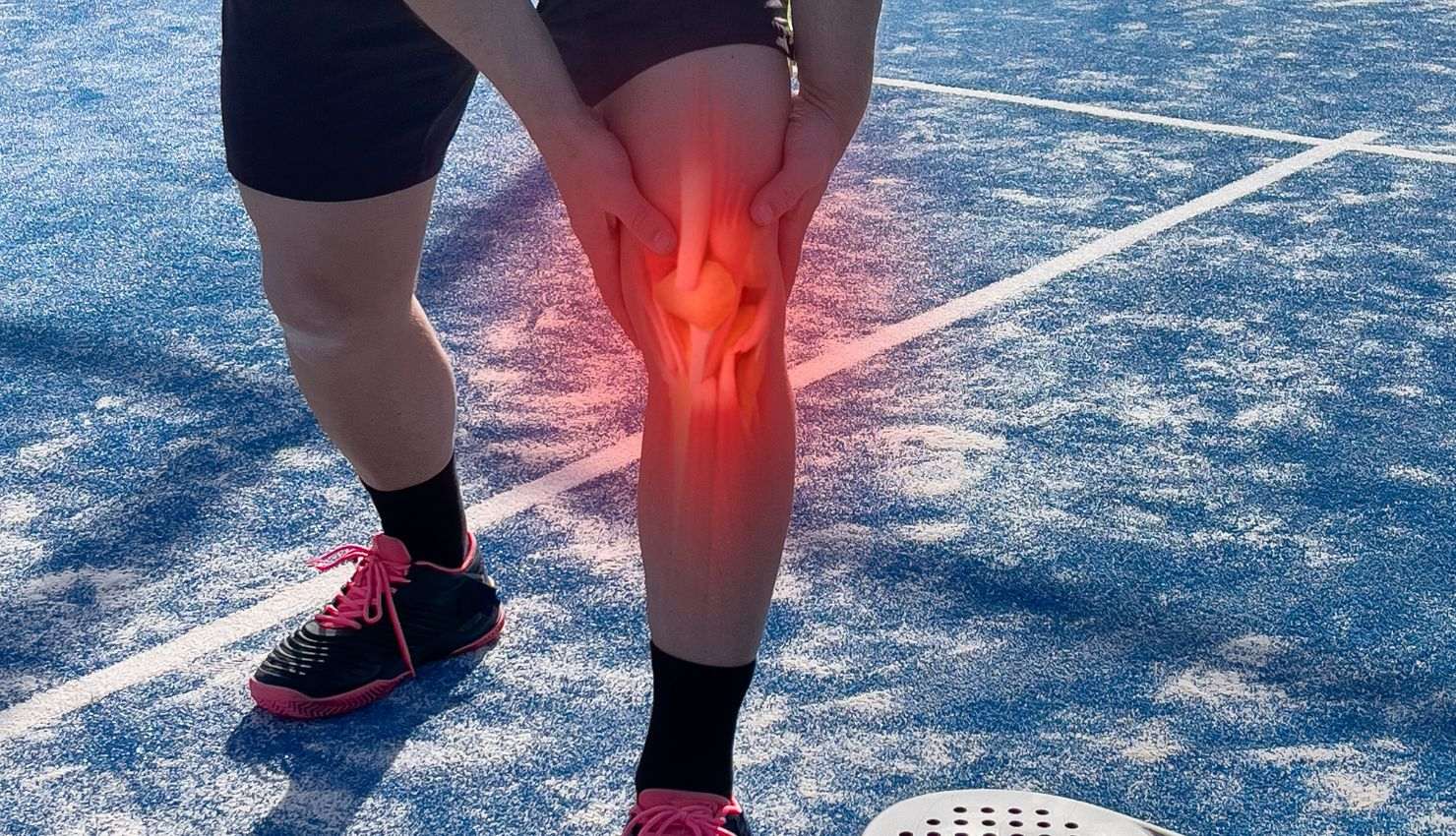
Aquatic therapy, also known as hydrotherapy, involves performing exercises in water under the guidance of a trained therapist. The buoyancy of water provides a unique environment where patients can experience reduced joint and muscle strain, making it an ideal treatment option for managing pain, especially for individuals with musculoskeletal, neurological, or chronic conditions. Aquatic therapy combines the benefits of waters physical properties (such as buoyancy, viscosity, and thermal effects) to help manage pain, improve mobility, and promote healing.
Here are the key benefits of aquatic therapy for pain relief:
### **1. Buoyancy Reduces Joint Stress and Pain**
One of the most significant benefits of aquatic therapy is the buoyancy of water, which supports a persons body weight. This buoyancy reduces the load on joints and muscles, making it easier to perform exercises with less pain and discomfort.
#### **How It Helps:**
* **Reduced Weight-Bearing Stress**: When submerged in water, your bodys weight is partially supported by the waters buoyancy, reducing the impact on painful joints, such as the knees, hips, and spine.
* **Safe Movement**: For individuals with joint pain, arthritis, or post-surgical recovery, aquatic therapy allows them to perform exercises that might be too painful or difficult on land. The water helps reduce the risk of injury, enabling patients to move with less pain.
* **Gentle Movement**: The buoyancy of water allows individuals with limited mobility to move more freely, performing exercises without putting undue stress on their joints.
—
### **2. Viscosity of Water Provides Resistance for Strengthening**
The natural resistance of water provides an excellent way to strengthen muscles and improve endurance. The viscosity of water increases resistance with movement, allowing patients to engage in strength-building exercises without the need for heavy weights or additional equipment.
#### **How It Helps:**
* **Muscle Strengthening**: Water resistance provides a low-impact way to strengthen muscles, which is particularly beneficial for those with chronic pain or injuries. This can help rebuild muscle strength that may have weakened due to inactivity or pain.
* **Improved Muscle Endurance**: Repeated exercises in water help improve the endurance of muscles around affected areas (such as the lower back, shoulders, or knees), which can reduce pain and improve overall function.
* **Low-Impact Resistance**: Unlike traditional weight training, which can strain muscles and joints, water resistance offers a gentler, more manageable way to build strength and endurance.
—
### **3. Warm Water Relieves Muscle Tension and Promotes Relaxation**
In aquatic therapy, warm water is often used, which has a soothing effect on the body. The warmth promotes blood circulation, relaxes tight muscles, and helps alleviate pain.
#### **How It Helps:**
* **Increased Blood Flow**: The warmth of the water dilates blood vessels, promoting circulation. This helps deliver oxygen and nutrients to muscles and tissues, reducing inflammation and supporting tissue repair.
* **Muscle Relaxation**: Heat from the water helps relax tight, overworked muscles and relieve spasms, which is beneficial for individuals with chronic muscle tension or conditions like fibromyalgia, arthritis, or back pain.
* **Pain Reduction**: The combination of heat, buoyancy, and movement helps reduce the intensity of pain, allowing patients to perform therapeutic exercises with less discomfort.
* **Stress Relief**: The warm, calming effect of water can reduce anxiety and promote relaxation, addressing the mental component of pain management.
—
### **4. Enhanced Mobility and Flexibility**
Aquatic therapy is excellent for increasing flexibility and range of motion. The buoyancy of water reduces the impact on the bodys joints, making it easier to stretch and mobilize muscles and tendons.
#### **How It Helps:**
* **Gentle Stretching**: The waters buoyancy supports your body while you stretch, reducing the strain on joints and muscles. This makes it possible to perform stretches that may be too painful or difficult on land.
* **Improved Joint Mobility**: The reduced stress on the joints allows patients to perform exercises that improve joint mobility and flexibility, which is particularly helpful for individuals with arthritis, frozen shoulder, or knee pain.
* **Reduced Stiffness**: Regular aquatic exercises can help reduce stiffness in muscles and joints, which often accompanies chronic pain or recovery from an injury.
—
### **5. Lower Impact on the Body During Rehabilitation**
For individuals recovering from surgery, injury, or illness, aquatic therapy provides a gentle, controlled environment for rehabilitation. The support of water allows individuals to perform rehabilitation exercises with reduced risk of aggravating the injury or experiencing pain.
#### **How It Helps:**
* **Rehabilitation Without Strain**: Water helps protect injured areas by providing support while still allowing for movement and rehabilitation. This is particularly useful for patients recovering from surgeries like joint replacements, spinal surgery, or torn ligaments.
* **Gradual Progression**: Aquatic therapy allows for a gradual increase in intensity, making it easier to progress through rehabilitation without exacerbating pain or risking reinjury.
* **Enhanced Recovery**: The combination of warmth, resistance, and buoyancy encourages faster recovery by promoting healing, reducing swelling, and improving circulation to the injured area.
—
### **6. Decreased Swelling and Inflammation**
Waters hydrostatic pressure (the pressure exerted by the water on the body when submerged) helps reduce swelling and inflammation. The pressure helps move fluids from the tissues back into the bloodstream, promoting the removal of waste products and reducing edema (swelling).
#### **How It Helps:**
* **Reduced Swelling**: The hydrostatic pressure from water immersion reduces swelling by promoting fluid movement, which can be particularly helpful in the early stages of injury recovery.
* **Improved Lymphatic Flow**: The pressure from the water enhances lymphatic drainage, which helps remove waste products from the body and supports the healing process.
* **Decreased Inflammation**: By reducing swelling and improving circulation, aquatic therapy helps alleviate inflammation, which is a common cause of pain after injury.
—
### **7. Psychological Benefits and Stress Relief**
Chronic pain often leads to psychological stress, anxiety, and depression. Aquatic therapy offers psychological benefits by providing a soothing and enjoyable environment that can help lift mood, reduce anxiety, and improve mental well-being.
#### **How It Helps:**
* **Calming Effect**: The buoyancy of water and the soothing nature of the aquatic environment help reduce stress, which can contribute to pain relief.
* **Increased Confidence**: For individuals with chronic pain or injuries, the supportive nature of water can provide confidence and a sense of safety while performing exercises, which can improve motivation and adherence to the rehabilitation program.
* **Enhanced Mood**: The physical activity involved in aquatic therapy stimulates the release of endorphins, the bodys natural pain relievers, which can improve mood and reduce the perception of pain.
—
### **8. Customization of Exercises**
Aquatic therapy can be tailored to meet the specific needs and goals of the individual. Whether you’re recovering from surgery, managing chronic pain, or seeking to improve physical function, the exercises can be adjusted based on the persons condition and level of ability.
#### **How It Helps:**
* **Adaptability**: Exercises in water can be modified in terms of intensity, duration, and complexity to suit the patient’s individual needs. From simple stretching and range-of-motion exercises to more advanced strengthening or aerobic activities, aquatic therapy offers a flexible treatment approach.
* **Individualized Programs**: The therapist can design a specific program that targets your pain areas, helping you achieve the goals of reducing pain, improving mobility, and enhancing strength.
—
### **Conclusion**
Aquatic therapy offers a comprehensive, low-impact approach to pain relief for individuals suffering from musculoskeletal pain, injuries, or chronic conditions. The benefits of waterbuoyancy, warmth, resistance, and hydrostatic pressurecreate a healing environment that promotes pain relief, muscle relaxation, improved flexibility, and faster recovery. Whether you are recovering from an injury, managing chronic pain, or improving overall mobility, aquatic therapy is an excellent option for easing discomfort and promoting rehabilitation in a safe and supportive environment.