Post-surgical pain is common after any surgery, whether its orthopedic, spinal, or soft tissue-related. The pain is a natural part of the healing process as the body works to recover from surgery, but it can be managed effectively through various physiotherapy techniques.

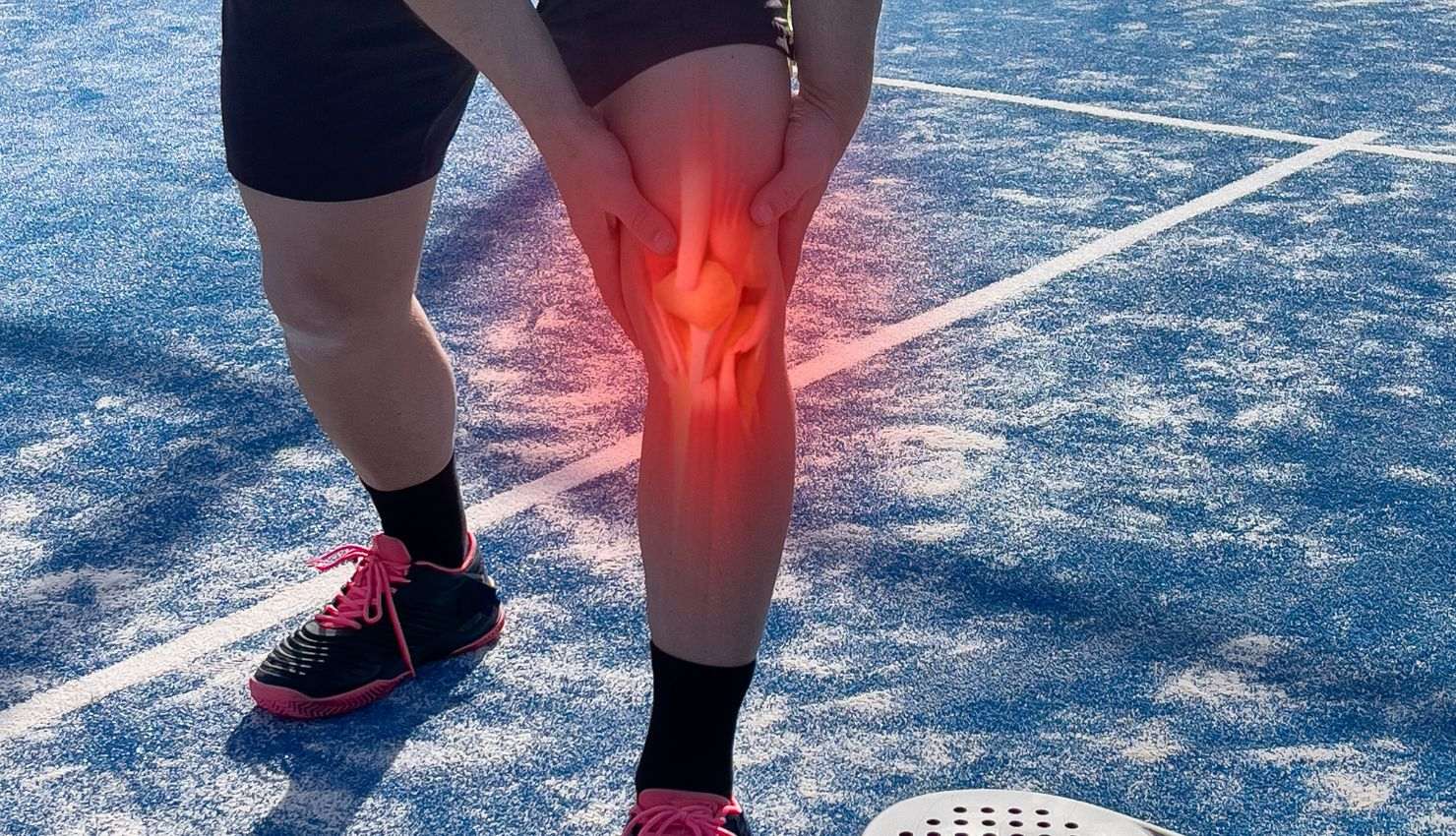
Post-surgical pain is common after any surgery, whether its orthopedic, spinal, or soft tissue-related. The pain is a natural part of the healing process as the body works to recover from surgery, but it can be managed effectively through various physiotherapy techniques. Physiotherapy focuses on reducing pain, improving mobility, restoring function, and preventing complications such as stiffness, muscle atrophy, or re-injury. Heres how physiotherapy can help manage and alleviate post-surgical pain:
### **1. Pain Relief Techniques**
In the early stages of post-surgical recovery, managing pain is crucial to enable movement and avoid complications like joint stiffness or muscle weakness. Physiotherapists use several methods to provide immediate relief from pain and inflammation.
#### **Common Pain Management Methods:**
* **Ice Therapy (Cryotherapy)**: In the first 48-72 hours post-surgery, ice is applied to reduce swelling, numb pain, and prevent inflammation. Cryotherapy can significantly help control acute pain.
* **Heat Therapy**: After the initial inflammation has decreased, heat therapy is applied to relax the muscles, improve blood circulation, and alleviate muscle spasms.
* **Transcutaneous Electrical Nerve Stimulation (TENS)**: TENS involves using low-voltage electrical currents to stimulate the skins sensory nerves, helping block pain signals and promote the release of endorphins, which help reduce pain perception.
* **Ultrasound Therapy**: Therapeutic ultrasound uses sound waves to reach deep tissues, promoting blood flow, reducing inflammation, and accelerating tissue healing.
* **Massage Therapy**: Soft tissue massage can relieve muscle tension and discomfort around the surgical site, improving blood circulation and providing relaxation.
—
### **2. Early Mobilization and Range of Motion (ROM) Exercises**
After surgery, one of the main goals is to regain mobility and prevent stiffness. Early mobilization and range-of-motion exercises are essential to ensure that the joints and muscles are not restricted by the pain or inflammation that follows surgery.
#### **How it Helps:**
* **Prevents Stiffness**: Gentle range-of-motion exercises can prevent joint stiffness, which is common after surgery. This is especially important for joint surgeries like knee or hip replacements.
* **Improves Circulation**: Early movement increases blood circulation to the affected area, which accelerates healing and helps reduce swelling.
* **Restores Flexibility**: Physiotherapists guide patients through movements that gently stretch muscles and joints, restoring flexibility and reducing tightness around the surgical site.
#### **Example Techniques:**
* **Passive Range of Motion (ROM)**: In the early stages of recovery, the physiotherapist may gently move the joint for the patient to ensure the joint remains mobile and the muscles are stretched. This is particularly useful when the patient cannot actively move the joint due to pain or immobility.
* **Active-Assisted ROM**: Once the initial pain decreases, patients may begin performing exercises with some assistance from the physiotherapist to improve ROM and gradually increase their activity level.
—
### **3. Strengthening Exercises**
Surgery often leads to muscle weakness due to immobility, muscle guarding, or the effects of anesthesia. After the acute pain has been managed, physiotherapy focuses on rebuilding strength in the affected muscles, joints, and surrounding structures to restore function and prevent future injuries.
#### **How it Helps:**
* **Prevents Muscle Atrophy**: When muscles arent used after surgery, they weaken and shrink. Strengthening exercises rebuild muscle mass and strength, which is essential for restoring normal movement and stability.
* **Improves Joint Stability**: Strengthening the muscles around the affected joint provides better support and reduces the risk of instability and re-injury.
* **Increases Functionality**: Improved strength enables the patient to return to regular activities and perform functional movements such as walking, bending, or lifting.
#### **Example Exercises:**
* **Isometric Exercises**: These involve contracting the muscles without moving the joint. They are a good starting point for patients who cannot yet move the joint but need to maintain muscle strength.
* **Progressive Resistance Training**: As recovery progresses, resistance exercises using bands, light weights, or bodyweight can be introduced to build strength and endurance.
* **Core Strengthening**: For surgeries that affect the back or abdomen, strengthening the core muscles is essential for stability and pain relief.
—
### **4. Manual Therapy**
Manual therapy includes hands-on techniques used by physiotherapists to manipulate and mobilize joints, muscles, and soft tissues. These techniques help reduce pain, improve movement, and speed up recovery.
#### **How it Helps:**
* **Joint Mobilization**: Gentle joint movements can reduce stiffness, improve flexibility, and restore normal joint function after surgery. For example, joint mobilizations are beneficial after knee, hip, or shoulder surgeries.
* **Soft Tissue Manipulation**: Physiotherapists use massage techniques to release muscle tightness, reduce adhesions or scar tissue, and promote blood flow to the injured tissues.
* **Myofascial Release**: This technique targets the fascia (connective tissue) that may become tight and restrictive after surgery. Myofascial release helps relax tight muscles and promotes pain relief.
—
### **5. Postural and Body Mechanics Education**
After surgery, its important to use proper body mechanics to avoid placing unnecessary strain on the healing structures. Physiotherapists provide education on how to move safely and prevent further stress on the injured area.
#### **How it Helps:**
* **Prevents Strain**: Teaching proper posture, body mechanics, and safe movement patterns reduces the risk of injury and helps avoid compensatory movements that could cause pain or further damage.
* **Improves Efficiency**: Correct body mechanics allow for more efficient movement, making everyday activities like sitting, standing, or walking easier and less painful.
* **Reduces Re-Injury Risk**: Physiotherapists emphasize techniques like proper lifting, bending, and twisting to avoid putting excess load on the surgical site.
#### **Education Topics:**
* **Posture**: Ensuring that the body is in proper alignment during sitting, standing, and walking.
* **Movement Patterns**: How to move without causing strain, including how to squat, lift, and reach properly.
* **Ergonomics**: Adjusting the home or work environment to facilitate better posture and reduce strain on the body.
—
### **6. Scar Tissue Management**
After surgery, scar tissue can form in the muscles and connective tissues surrounding the surgical site. Scar tissue, if left untreated, can lead to stiffness, restricted movement, and pain. Physiotherapists use techniques to manage and soften scar tissue.
#### **How it Helps:**
* **Improves Flexibility**: Manual therapy techniques can break down adhesions in scar tissue, allowing for better joint mobility and flexibility.
* **Prevents Long-Term Pain**: Untreated scar tissue can contribute to chronic pain. Physiotherapists help prevent this by mobilizing scar tissue to ensure it heals correctly and does not become restrictive.
#### **Example Techniques:**
* **Scar Mobilization**: Gentle massage techniques are used to break down scar tissue and improve tissue elasticity.
* **Cross-Fiber Friction**: This technique helps prevent the formation of adhesions by applying pressure to the scar in different directions.
—
### **7. Psychological Support and Motivation**
Recovering from surgery, especially when managing pain, can be mentally challenging. Physiotherapists provide emotional support, help patients set realistic goals, and keep them motivated throughout their recovery process.
#### **How it Helps:**
* **Goal Setting**: Setting small, achievable recovery goals helps keep patients motivated and gives them a sense of accomplishment as they progress.
* **Pain Coping Strategies**: Physiotherapists teach techniques like relaxation exercises, mindfulness, or breathing exercises to help manage pain and stress.
* **Building Confidence**: As patients regain movement and strength, physiotherapists boost their confidence and reduce any fear of re-injury, helping them transition back to their normal activities.
—
### **8. Gradual Return to Activity and Sports**
Once pain has decreased and function has improved, physiotherapists guide patients on how to safely return to their normal activities, including work, sports, or exercise. A gradual return helps to prevent overuse or re-injury.
#### **How it Helps:**
* **Controlled Reintroduction**: Physiotherapists help patients gradually increase their activity level in a safe, controlled manner to avoid setbacks.
* **Sport-Specific Rehabilitation**: For athletes, physiotherapists develop sport-specific rehab plans to help them safely return to competition, improving strength, flexibility, and endurance tailored to the demands of their sport.
* **Injury Prevention**: Physiotherapists teach exercises and strategies to prevent future injuries, ensuring long-term recovery and physical well-being.
—
### **Conclusion**
Physiotherapy plays an essential role in managing post-surgical pain and helping patients recover more quickly and effectively. Through pain relief techniques, strengthening exercises, manual therapy, mobility restoration, and education, physiotherapists provide a holistic approach to post-surgery rehabilitation. By addressing both the physical and psychological aspects of recovery, physiotherapy enables patients to regain function, return to daily activities, and reduce the risk of future complications. Whether recovering from joint surgery, spinal surgery, or soft tissue repairs, physiotherapy offers crucial support throughout the healing process.