Chronic knee pain can be a debilitating condition that affects mobility, quality of life, and the ability to perform everyday activities. It is often caused by conditions such as osteoarthritis, ligament injuries, patellar tendinopathy, or overuse injuries.

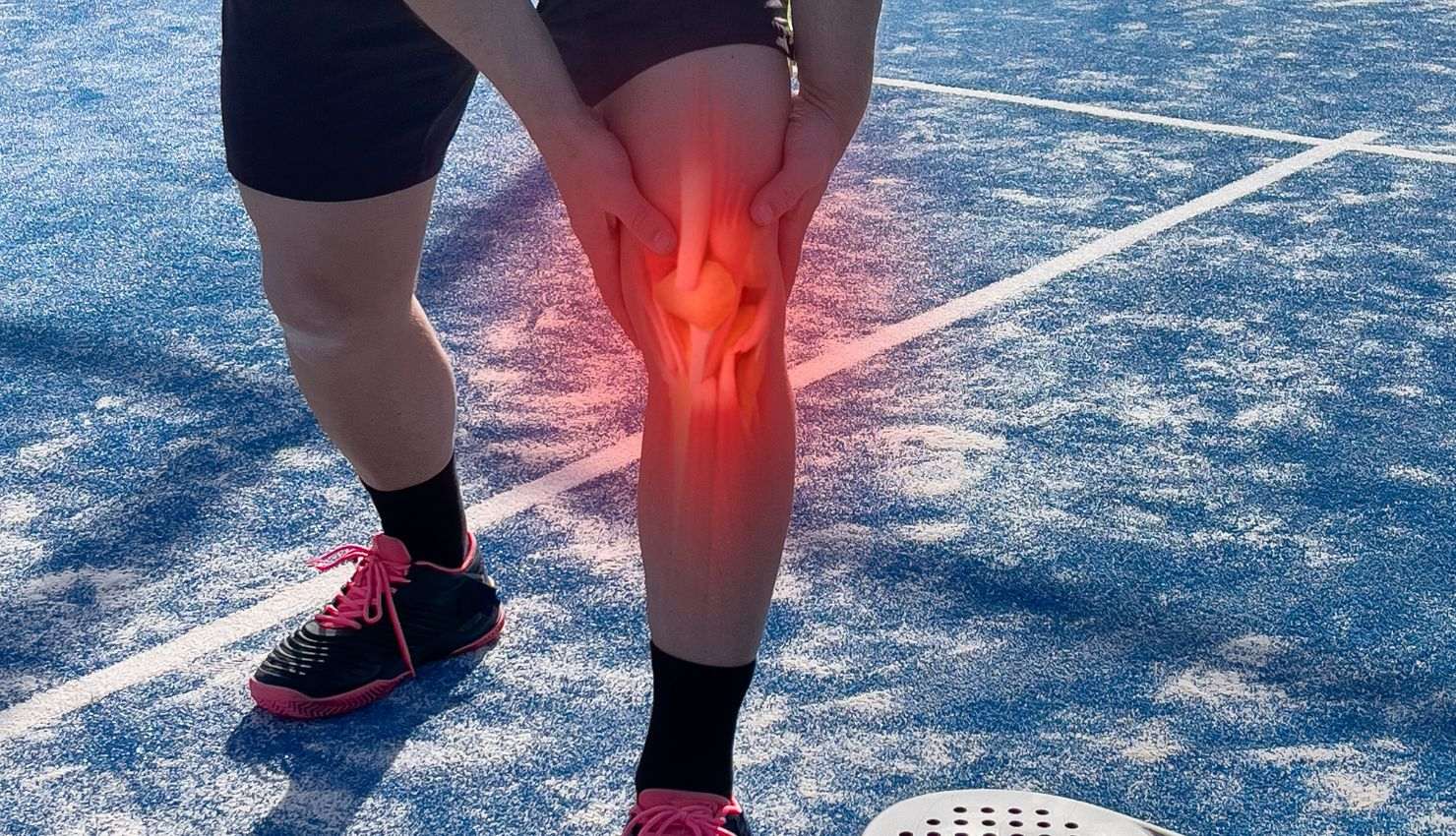
Chronic knee pain can be a debilitating condition that affects mobility, quality of life, and the ability to perform everyday activities. It is often caused by conditions such as osteoarthritis, ligament injuries, patellar tendinopathy, or overuse injuries. Physiotherapy offers a non-invasive and effective approach to managing chronic knee pain by addressing its underlying causes, improving function, and helping individuals regain strength, flexibility, and mobility. Heres how physiotherapy can help with chronic knee pain:
### **1. Comprehensive Assessment and Diagnosis**
The first step in treating chronic knee pain with physiotherapy is a thorough assessment. A physiotherapist will evaluate the specific cause of the pain, its severity, and how it affects your daily activities. This allows for the development of a tailored treatment plan.
#### **Assessment Components:**
* **Pain History**: Understanding the onset, duration, and intensity of knee pain helps to identify the underlying cause.
* **Postural and Movement Analysis**: Assessing your posture, walking mechanics (gait), and how you move during specific activities can highlight areas of strain or misalignment that contribute to knee pain.
* **Range of Motion (ROM)**: The physiotherapist will assess the flexibility and movement of the knee joint to determine any restrictions or stiffness.
* **Strength Testing**: Weak muscles surrounding the knee, particularly the quadriceps and hamstrings, can contribute to pain and instability. Strength testing helps pinpoint areas for improvement.
—
### **2. Pain Management Techniques**
One of the primary goals of physiotherapy is to reduce pain and inflammation, allowing for better mobility and function. Physiotherapists use several pain management techniques to relieve discomfort.
#### **Techniques Used for Pain Relief:**
* **Ice Therapy (Cryotherapy)**: Ice application helps reduce inflammation and numbs the pain in the acute phase or after physical activity. It is particularly useful after intense exercise or flare-ups of knee pain.
* **Heat Therapy**: Heat is often used in the later stages of recovery to relax tight muscles, improve circulation, and alleviate stiffness in the knee joint.
* **Transcutaneous Electrical Nerve Stimulation (TENS)**: TENS uses electrical impulses to block pain signals and stimulate the release of natural painkillers (endorphins). This can provide temporary pain relief.
* **Ultrasound Therapy**: Therapeutic ultrasound uses sound waves to promote healing in tissues around the knee, reducing inflammation and improving circulation to aid the healing process.
* **Kinesiology Taping**: Kinesiology tape can be applied to provide support and reduce pressure on the knee joint, helping alleviate pain and improve function during movement.
—
### **3. Strengthening Exercises**
Weak muscles around the knee, particularly the quadriceps, hamstrings, and hip muscles, can lead to increased stress on the joint, causing pain. Strengthening these muscles is essential for improving knee function and reducing pain.
#### **How It Helps:**
* **Improved Joint Stability**: Strengthening the muscles that support the knee joint provides better stability and reduces the load on the knee itself, helping alleviate pain and prevent further damage.
* **Prevents Re-Injury**: Stronger muscles around the knee protect the joint from excessive stress, which can reduce the risk of future injuries or exacerbating existing pain.
#### **Common Strengthening Exercises:**
* **Quadriceps Strengthening**: Exercises such as leg raises, squats, and lunges focus on building strength in the quadriceps, which play a crucial role in stabilizing the knee joint.
* **Hamstring Exercises**: Exercises like leg curls or bridges target the hamstrings to help balance the muscle groups around the knee.
* **Hip Strengthening**: The muscles of the hips, especially the glutes, contribute to knee stability. Hip exercises such as clamshells or side-lying leg lifts help improve the strength of these muscles and reduce knee strain.
* **Calf and Ankle Strengthening**: Strengthening the calf and ankle muscles improves overall lower limb stability, helping reduce the load on the knee during walking and other activities.
—
### **4. Stretching and Flexibility Exercises**
Tight muscles around the knee can increase strain on the joint, leading to pain. Physiotherapists design stretching routines to improve the flexibility of the muscles and soft tissues around the knee, which can help reduce pain and improve function.
#### **How It Helps:**
* **Increased Mobility**: Stretching the muscles around the knee, such as the quadriceps, hamstrings, and calf muscles, can improve flexibility, reduce tightness, and increase the range of motion of the knee joint.
* **Reduced Muscle Tension**: Stretching helps release muscle tension that may be contributing to pain or stiffness in the knee.
#### **Stretching Exercises:**
* **Hamstring Stretch**: Stretching the hamstrings helps to alleviate tension in the back of the knee and improve flexibility.
* **Quadriceps Stretch**: Stretching the quadriceps can help reduce tension in the front of the knee and improve joint mobility.
* **Calf Stretch**: Tight calves can contribute to knee pain, particularly during walking or running. Stretching the calves helps alleviate pressure on the knee.
* **Iliotibial Band (ITB) Stretch**: The ITB runs along the outside of the thigh and can contribute to knee pain, especially in conditions like iliotibial band syndrome (ITBS). Stretching the ITB helps relieve tension and improve knee function.
—
### **5. Improving Joint Mobility**
In some cases of chronic knee pain, the knee joint itself may become stiff or locked, leading to further discomfort and limited movement. Physiotherapists use manual therapy techniques to improve joint mobility.
#### **How It Helps:**
* **Increased Range of Motion**: Joint mobilization techniques help restore the natural movement of the knee joint, reducing pain and improving function.
* **Reduced Stiffness**: By gently moving the joint through its range of motion, physiotherapists help break up adhesions and scar tissue that might be restricting movement and causing pain.
#### **Manual Therapy Techniques:**
* **Joint Mobilization**: The physiotherapist uses gentle, controlled movements to mobilize the knee joint, improving flexibility and reducing pain.
* **Soft Tissue Manipulation**: Massage and myofascial release techniques target the soft tissues around the knee joint to release tightness and improve mobility.
—
### **6. Balance and Proprioception Training**
Proprioception refers to the bodys ability to sense its position in space. After an injury or due to muscle weakness, proprioception can be impaired, which increases the risk of further injury. Physiotherapists use balance and proprioception training to retrain the bodys awareness of knee movement and stability.
#### **How It Helps:**
* **Reduces Risk of Re-Injury**: Improving balance and proprioception can reduce the likelihood of re-injury by restoring better coordination and stability to the knee joint.
* **Improved Stability**: Proprioception training helps improve knee stability, particularly during activities like walking, running, or sports.
#### **Proprioception Exercises:**
* **Single-Leg Stance**: Standing on one leg helps challenge balance and stability, improving proprioception and muscle activation around the knee.
* **Balance Board or BOSU Ball Exercises**: These exercises challenge the knees ability to stabilize on uneven surfaces, enhancing joint awareness and strength.
* **Dynamic Movements**: Incorporating movements like lunges or step-ups onto unstable surfaces helps improve overall knee control and stability.
—
### **7. Education and Activity Modification**
Physiotherapists provide education on how to manage knee pain during daily activities and sports. By teaching proper body mechanics and posture, they help prevent unnecessary strain on the knee joint.
#### **How It Helps:**
* **Prevents Aggravation of Pain**: Physiotherapists guide patients on how to perform movements correctly to avoid putting excess stress on the knee joint.
* **Promotes Safe Return to Activity**: Gradual reintroduction of physical activities helps prevent exacerbation of pain and ensures a smooth recovery.
#### **Activity Modifications:**
* **Lifting and Squatting Techniques**: Correct techniques can reduce strain on the knee and protect it during common activities.
* **Ergonomic Advice**: Physiotherapists offer advice on adjusting workspaces or daily tasks to reduce knee strain.
* **Alternative Exercise Recommendations**: For those with knee pain, physiotherapists might recommend low-impact exercises like swimming, cycling, or walking on softer surfaces to maintain fitness without exacerbating knee pain.
—
### **8. Long-Term Pain Management and Prevention**
Physiotherapists provide long-term strategies to manage chronic knee pain and prevent future problems. These strategies include ongoing strengthening, flexibility exercises, and advice on how to manage knee health for years to come.
#### **How It Helps:**
* **Reduced Pain Episodes**: Consistent strengthening and stretching exercises help prevent flare-ups of knee pain and improve function over time.
* **Preventive Care**: Physiotherapists teach techniques and exercises that help manage chronic conditions like osteoarthritis and prevent further damage to the knee joint.
—
### **Conclusion**
Physiotherapy offers a comprehensive approach to managing chronic knee pain by addressing its root causes and improving function, mobility, and strength. Through a combination of pain management techniques, strengthening exercises, stretching, joint mobility work, balance training, and education, physiotherapists help individuals manage knee pain effectively and return to normal activities. Whether your knee pain is the result of an injury, overuse, or degenerative conditions like arthritis, physiotherapy provides the tools and guidance needed for long-term pain relief and improved knee health.