Hip pain is a common issue, particularly as we age, and it can be caused by a variety of factors, including arthritis, muscle weakness, injury, poor posture, or overuse. Whether you’re dealing with chronic hip pain due to conditions like osteoarthritis, recovering from a hip surgery or injury, or simply experiencing discomfort, physiotherapy can play …

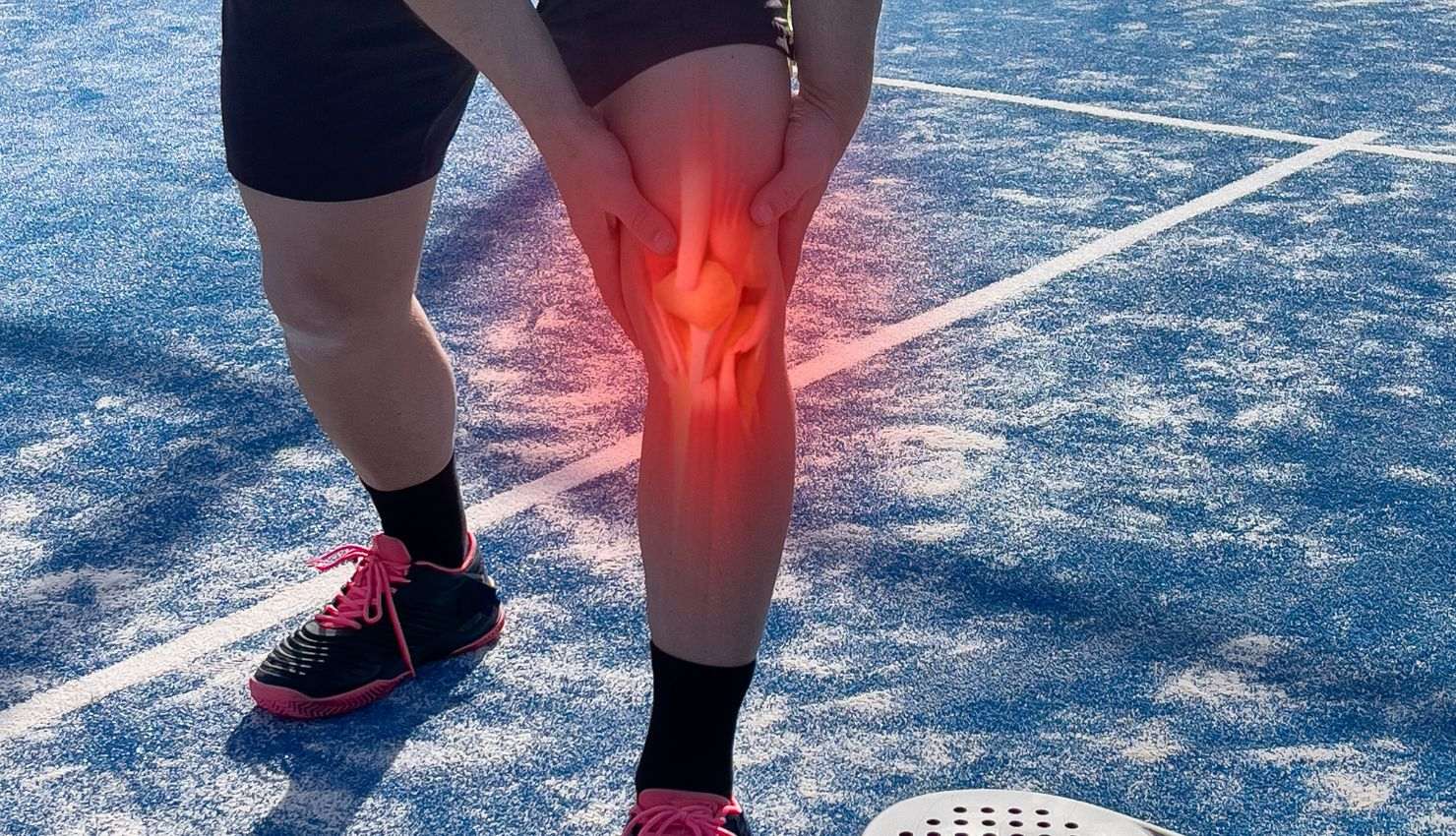
Hip pain is a common issue, particularly as we age, and it can be caused by a variety of factors, including arthritis, muscle weakness, injury, poor posture, or overuse. Whether you’re dealing with chronic hip pain due to conditions like osteoarthritis, recovering from a hip surgery or injury, or simply experiencing discomfort, physiotherapy can play a vital role in managing pain, improving mobility, and preventing further injury. Heres how physiotherapy can help prevent and manage hip pain:
### **1. Assessing the Root Cause of Hip Pain**
The first step in managing hip pain through physiotherapy is a thorough assessment by a physiotherapist. Identifying the underlying cause of the pain is crucial for developing an effective treatment plan.
#### **What Physiotherapists Look For:**
* **Posture and Alignment**: Misalignment or poor posture can put extra strain on the hip joint, leading to pain. The physiotherapist will check for any postural imbalances or abnormalities in gait (walking pattern).
* **Joint Mobility and Flexibility**: The physiotherapist will assess the hip joints range of motion (ROM) to identify stiffness or limited movement, which could contribute to pain.
* **Muscle Strength and Imbalances**: Weakness in the muscles surrounding the hip, such as the glutes, quadriceps, or hamstrings, can lead to instability and pain in the hip joint. Physiotherapists will test muscle strength and identify any imbalances.
* **Functionality**: The physiotherapist will assess how the hip pain affects daily activities, such as walking, standing, and climbing stairs, to develop a personalized treatment plan.
—
### **2. Reducing Pain and Inflammation**
Physiotherapy offers various pain management techniques to help reduce the immediate discomfort caused by hip pain and inflammation. These techniques help manage acute flare-ups or discomfort during the healing process.
#### **How Physiotherapy Helps:**
* **Ice Therapy (Cryotherapy)**: Ice can be applied to the hip to reduce inflammation and numb pain, especially after physical activity or during acute flare-ups.
* **Heat Therapy**: Applying heat to the hip can promote muscle relaxation, increase blood flow, and reduce stiffness, especially for conditions like muscle strains or arthritis.
* **Transcutaneous Electrical Nerve Stimulation (TENS)**: TENS uses electrical impulses to stimulate nerves and block pain signals. It can help manage both acute and chronic hip pain by encouraging the release of natural pain-relieving endorphins.
* **Ultrasound Therapy**: Therapeutic ultrasound uses sound waves to increase circulation, reduce inflammation, and promote tissue healing. It is particularly useful for soft tissue injuries around the hip joint.
—
### **3. Strengthening the Muscles Around the Hip**
Muscle weakness or imbalances around the hip joint are common causes of hip pain, especially in conditions like osteoarthritis or after surgery. Strengthening the muscles that support the hip can help reduce pain and improve function.
#### **How Strengthening Helps:**
* **Improved Stability**: Strengthening muscles such as the glutes, hip flexors, quadriceps, and hamstrings provides better support for the hip joint, reducing strain on the joint itself.
* **Enhanced Mobility**: Stronger muscles allow for better joint movement and flexibility, improving the overall range of motion and decreasing stiffness.
* **Pain Reduction**: Strengthening the muscles around the hip can reduce the load on the joint and the surrounding tissues, ultimately reducing pain and the risk of further injury.
#### **Examples of Strengthening Exercises:**
* **Glute Bridges**: Lying on your back with your knees bent, lifting your hips off the ground while squeezing your glutes strengthens the gluteal muscles and supports the hip joint.
* **Leg Raises**: Lifting your leg while lying on your side or back strengthens the hip flexors, quadriceps, and hip abductors.
* **Clamshell Exercise**: Lying on your side with your knees bent, opening and closing your legs like a clam strengthens the hip abductors (muscles on the outer side of the hip).
* **Standing Hip Abduction**: Standing and lifting one leg to the side targets the hip abductor muscles, improving hip stability and strength.
—
### **4. Improving Flexibility and Range of Motion (ROM)**
Limited mobility in the hip joint can exacerbate pain and reduce function. Physiotherapists incorporate stretching and flexibility exercises to improve the hip joints range of motion, which is essential for easing pain and preventing further injury.
#### **How Flexibility Helps:**
* **Increased Joint Mobility**: Stretching the muscles and soft tissues surrounding the hip helps improve the range of motion, allowing for more fluid movement and reducing stiffness.
* **Decreased Muscle Tightness**: Tight muscles around the hip, such as the hip flexors or the iliotibial band (ITB), can contribute to pain and discomfort. Stretching these muscles reduces tension and improves overall mobility.
* **Pain Relief**: Improved flexibility reduces muscle imbalances and eases tension, which can directly alleviate pain, especially in conditions like hip osteoarthritis.
#### **Examples of Flexibility Exercises:**
* **Hip Flexor Stretch**: Gently stretching the hip flexors helps reduce tightness in the front of the hip, improving ROM and reducing strain on the joint.
* **Piriformis Stretch**: Stretching the piriformis muscle, which can often contribute to hip and lower back pain, helps improve flexibility and reduce discomfort.
* **Iliotibial Band (ITB) Stretch**: Stretching the ITB reduces tension on the outer hip and thigh, which is beneficial for managing hip pain caused by tightness in this area.
* **Hamstring Stretch**: Tight hamstrings can contribute to hip pain, especially when they alter your walking or sitting posture. Gentle hamstring stretches help alleviate discomfort.
—
### **5. Postural Training and Body Mechanics Education**
Poor posture or improper body mechanics can lead to increased stress on the hips, leading to pain and discomfort. Physiotherapists teach patients how to improve their posture and use correct body mechanics to reduce strain on the hip joint.
#### **How Postural Training Helps:**
* **Prevents Overload on the Hip Joint**: Proper posture and body mechanics reduce unnecessary strain on the hip joint and surrounding muscles, preventing pain and injury.
* **Reduces Compensatory Movements**: When one part of the body is in pain, people tend to compensate by shifting weight or changing their movement patterns. Physiotherapists help correct these patterns to prevent further strain on the hip.
* **Improves Function**: Teaching patients how to perform everyday tasks, like sitting, standing, and bending, helps maintain healthy posture, which ultimately improves hip pain and mobility.
#### **Postural and Body Mechanics Tips:**
* **Proper Sitting and Standing**: Ensure the spine is aligned and the pelvis is in a neutral position to avoid excessive strain on the hip.
* **Correct Lifting Techniques**: When lifting, bend at the knees and use the legs to lift, not the back or hips, to avoid putting pressure on the hip joint.
* **Ergonomics**: Make adjustments to your workstation or home environment to promote good posture and reduce strain on the hips.
—
### **6. Balance and Proprioception Training**
Balance issues and poor proprioception (the bodys sense of its position in space) can contribute to hip pain, especially in older adults. Physiotherapists use exercises that challenge balance and improve proprioception, which helps stabilize the hip joint.
#### **How Balance Training Helps:**
* **Reduces the Risk of Falls**: Balance training strengthens the muscles around the hip and improves coordination, which helps reduce the risk of falls and further injury.
* **Improves Joint Stability**: Exercises that challenge stability, like standing on one leg or walking on uneven surfaces, improve the function and stability of the hip joint, reducing pain and increasing confidence in movement.
#### **Examples of Balance Exercises:**
* **Single-Leg Stance**: Standing on one leg strengthens the hip and core muscles, improving balance and stability.
* **Heel-to-Toe Walk**: Walking in a straight line with the heel of one foot directly in front of the toes of the other foot helps improve balance and coordination.
* **Balance Board or BOSU Ball Exercises**: These tools challenge balance and proprioception, helping strengthen the stabilizing muscles around the hip.
—
### **7. Manual Therapy**
Manual therapy involves hands-on techniques that a physiotherapist uses to mobilize the hip joint, soft tissues, and surrounding muscles. These techniques can help reduce pain, improve joint mobility, and restore normal movement.
#### **How Manual Therapy Helps:**
* **Joint Mobilization**: Gentle movements applied to the hip joint help improve flexibility, reduce stiffness, and alleviate pain.
* **Soft Tissue Manipulation**: Physiotherapists use massage and myofascial release techniques to relieve muscle tightness, improve circulation, and reduce discomfort around the hip.
* **Trigger Point Therapy**: This technique targets specific areas of muscle tightness or “knots” that may be contributing to hip pain.
—
### **Conclusion**
Physiotherapy is a highly effective approach for managing and preventing hip pain. By addressing the root causes of pain, improving mobility, strengthening muscles, and providing education on posture and body mechanics, physiotherapists can help individuals with hip pain regain function, reduce discomfort, and enhance their quality of life. Whether youre dealing with arthritis, recovering from surgery, or managing an overuse injury, physiotherapy provides a personalized, non-invasive treatment plan to address your specific needs and goals.