A muscle injury can occur from various activities, including sports, exercise, overuse, or even poor posture. Whether its a strain, tear, or simple overexertion, the healing process can be slow, but physiotherapy can significantly speed up recovery.

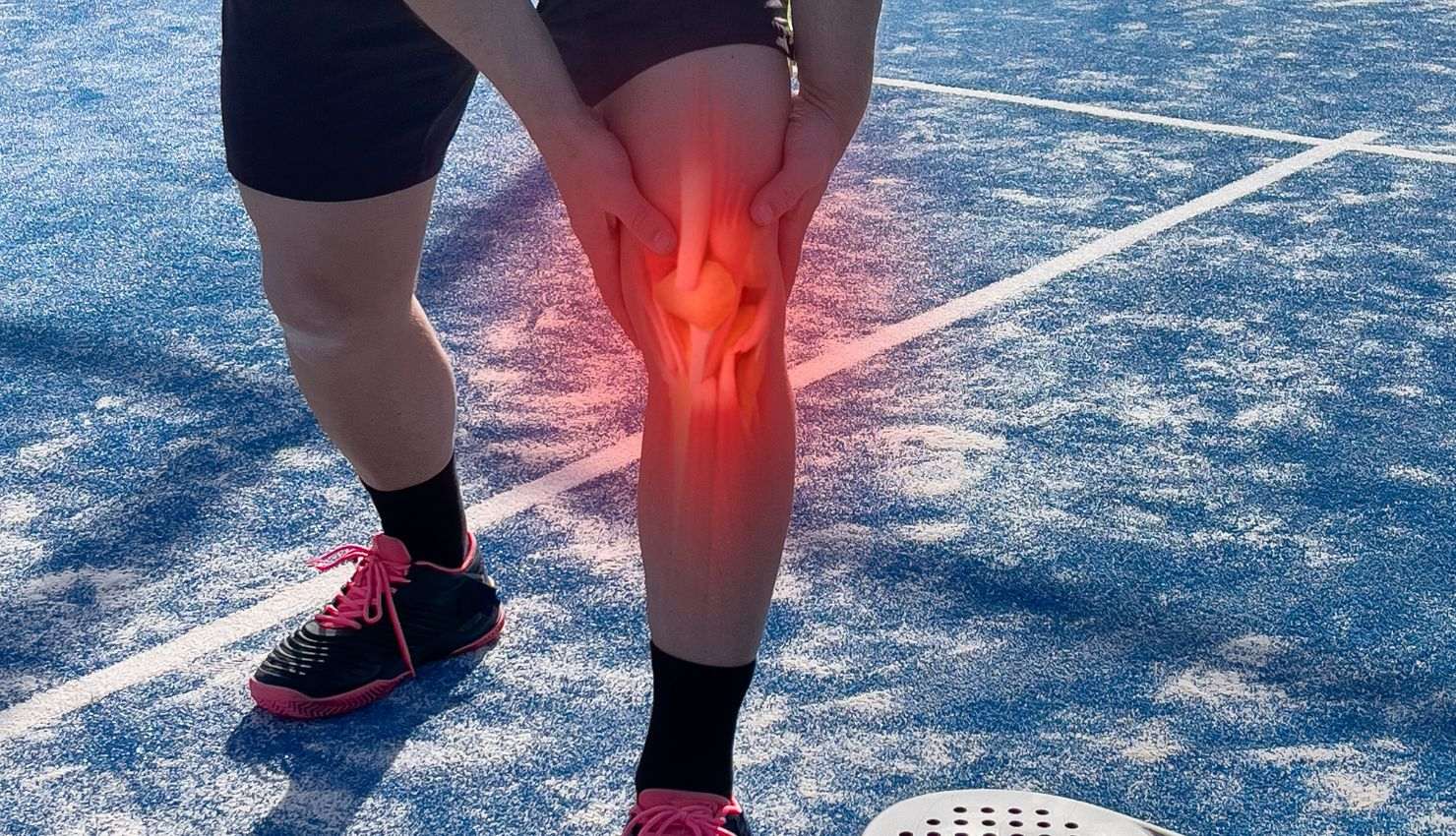
A muscle injury can occur from various activities, including sports, exercise, overuse, or even poor posture. Whether its a strain, tear, or simple overexertion, the healing process can be slow, but physiotherapy can significantly speed up recovery. Physiotherapists use a combination of techniques to manage pain, reduce inflammation, restore muscle function, and prevent re-injury. Heres how physiotherapy can help you heal faster after a muscle injury:
### **1. Reducing Pain and Inflammation**
Pain and swelling are the bodys natural responses to injury, but they can delay recovery and make movement difficult. One of the first things physiotherapists do is address these symptoms to help you feel better and start moving again.
#### **Techniques to Manage Pain and Inflammation:**
* **Ice Therapy (Cryotherapy)**: In the first 4872 hours after a muscle injury, ice helps reduce swelling, numb pain, and limit further damage. Ice packs should be applied for 1520 minutes every 23 hours during the acute phase.
* **Heat Therapy**: After the initial inflammation has decreased, heat therapy can be used to relax tight muscles, improve circulation, and reduce muscle spasms. This is especially helpful in the recovery phase when muscles are still stiff or tight.
* **Transcutaneous Electrical Nerve Stimulation (TENS)**: TENS uses electrical impulses to block pain signals, stimulate the production of endorphins (natural painkillers), and reduce pain intensity.
* **Ultrasound Therapy**: Therapeutic ultrasound can help to increase circulation to the injured area, reduce swelling, and promote tissue healing by applying sound waves to the muscles and soft tissues.
—
### **2. Restoring Range of Motion (ROM)**
A muscle injury can lead to stiffness and a limited range of motion (ROM), which can hinder your ability to perform normal movements. Physiotherapy helps restore flexibility and mobility, allowing you to move more freely and without pain.
#### **How Physiotherapy Helps:**
* **Range of Motion Exercises**: Physiotherapists guide you through gentle stretches and mobility exercises to gradually restore full ROM to the injured muscle and surrounding tissues.
* **Active-Assisted Exercises**: These exercises involve both your efforts and assistance from the physiotherapist to safely move the muscle through its range of motion without overstraining it.
* **Gentle Stretching**: Stretching exercises that target the affected muscle can improve flexibility, prevent contractures (shortened muscles), and increase blood flow to the area to promote healing.
—
### **3. Muscle Strengthening**
One of the most important components of recovering from a muscle injury is rebuilding strength. Physiotherapists focus on strengthening the muscles surrounding the injured area to support the healing process and prevent future injuries.
#### **How Strengthening Helps:**
* **Rebuilding Muscle Strength**: When muscles are injured, they become weak and may atrophy (shrink). Strengthening exercises help rebuild muscle mass and strength to restore full function.
* **Supporting Joint Stability**: Strong muscles help stabilize the joint and reduce strain on the injured muscle, providing better support and preventing further injury.
* **Gradual Progression**: Physiotherapists use a gradual approach to strengthening, starting with low-resistance exercises and increasing intensity as your muscle heals and becomes stronger.
#### **Common Strengthening Exercises:**
* **Isometric Exercises**: These exercises involve contracting the muscles without moving the joint (e.g., holding a contraction in a leg or arm). They are ideal for early rehabilitation when the injured muscle cannot yet handle movement.
* **Resistance Training**: Using resistance bands, dumbbells, or machines, the physiotherapist gradually increases resistance to help rebuild muscle strength around the injured area.
* **Bodyweight Exercises**: Exercises like squats, lunges, and bridges are used to strengthen the legs, hips, and lower back muscles.
—
### **4. Soft Tissue Manipulation and Manual Therapy**
Manual therapy involves hands-on techniques that can help relieve muscle tension, improve blood flow, and reduce pain. This is especially useful in the early stages of rehabilitation when the muscle is still tight and restricted.
#### **How Manual Therapy Helps:**
* **Massage**: Therapeutic massage can improve circulation, reduce muscle tightness, and help the injured muscle relax. It is especially beneficial in relieving post-injury soreness and muscle spasms.
* **Myofascial Release**: This technique targets the fascia (the connective tissue around muscles) to release tightness and improve muscle flexibility and movement.
* **Joint Mobilization**: If the muscle injury affects the joints, physiotherapists may perform gentle joint mobilizations to improve joint movement and reduce stiffness.
—
### **5. Proprioception and Neuromuscular Re-education**
After a muscle injury, the body may lose its ability to properly coordinate muscle movements. Proprioception refers to the bodys awareness of its position in space, and neuromuscular re-education involves retraining the brain and muscles to work together efficiently.
#### **How It Helps:**
* **Improved Coordination**: Physiotherapists use exercises to improve neuromuscular control and help the brain communicate better with the injured muscles, which is essential for returning to functional movements.
* **Balance Training**: Exercises such as standing on one leg or using a balance board help retrain the bodys sense of balance and stability, which reduces the risk of re-injury.
* **Dynamic Exercises**: Gradual, dynamic movements such as walking, squatting, or jumping help to improve coordination and activate the correct muscle groups to ensure normal movement patterns.
—
### **6. Education and Activity Modification**
Physiotherapists provide valuable education on how to prevent re-injury and manage pain while returning to normal activities. Learning the proper movement techniques and understanding your bodys limits are essential for long-term recovery.
#### **How Education Helps:**
* **Posture and Body Mechanics**: Physiotherapists teach you how to perform daily tasks (such as bending, lifting, or walking) correctly to avoid straining the injured muscle.
* **Pacing and Rest**: Its important to rest when needed and avoid overexerting the injured muscle. Physiotherapists help you understand how to balance rest and activity during the recovery process.
* **Gradual Return to Activity**: Physiotherapists provide a structured plan for reintroducing exercise, sports, or work activities in a safe, controlled manner that doesnt overload the healing muscle.
—
### **7. Preventing Future Injuries**
Preventing future muscle injuries is a key goal of physiotherapy. Physiotherapists create a comprehensive rehabilitation program that includes injury prevention strategies to ensure that the muscle does not become re-injured once fully healed.
#### **How Physiotherapy Helps with Prevention:**
* **Correcting Muscle Imbalances**: Physiotherapists address any muscle imbalances that may have contributed to the injury in the first place. For example, if weak hamstrings caused a strain in the quadriceps, strengthening the hamstrings will help prevent future injuries.
* **Improving Flexibility and Mobility**: Tight muscles can lead to injury. Stretching exercises improve flexibility and reduce the risk of future strains or tears.
* **Functional Training**: Physiotherapists incorporate exercises that mimic real-life movements or sports-specific movements, ensuring that the muscle can handle the demands of daily life or physical activity.
—
### **8. Psychological Support and Motivation**
Recovering from a muscle injury can be frustrating, especially if the healing process is slow. Physiotherapists offer emotional support and help patients stay motivated through goal setting and encouragement.
#### **How Physiotherapy Helps:**
* **Goal Setting**: Physiotherapists help patients set realistic recovery goals, ensuring steady progress and providing motivation to stay committed to the rehabilitation process.
* **Pain Management**: Physiotherapists teach pain management techniques, such as relaxation exercises or mindfulness, to help individuals cope with discomfort during the healing process.
* **Confidence Building**: By helping patients gradually return to normal activities, physiotherapists boost their confidence and reduce the fear of re-injury.
—
### **Conclusion**
Physiotherapy is a critical component in the healing process after a muscle injury. By addressing pain, inflammation, muscle weakness, and mobility restrictions, physiotherapists help accelerate recovery and ensure a full return to normal function. With targeted exercises, manual therapy, and education, physiotherapists not only promote healing but also help prevent future injuries. Whether youre recovering from a sports injury, an overuse injury, or a muscle strain, physiotherapy provides a personalized, non-invasive approach to recovery that optimizes muscle healing, restores strength, and helps you get back to your everyday activities faster.