Overuse injuries occur when a specific part of the body is subjected to repetitive stress or strain over time, often due to repeated movements, prolonged activity, or insufficient rest. Common examples include tendonitis, stress fractures, and muscle strains.

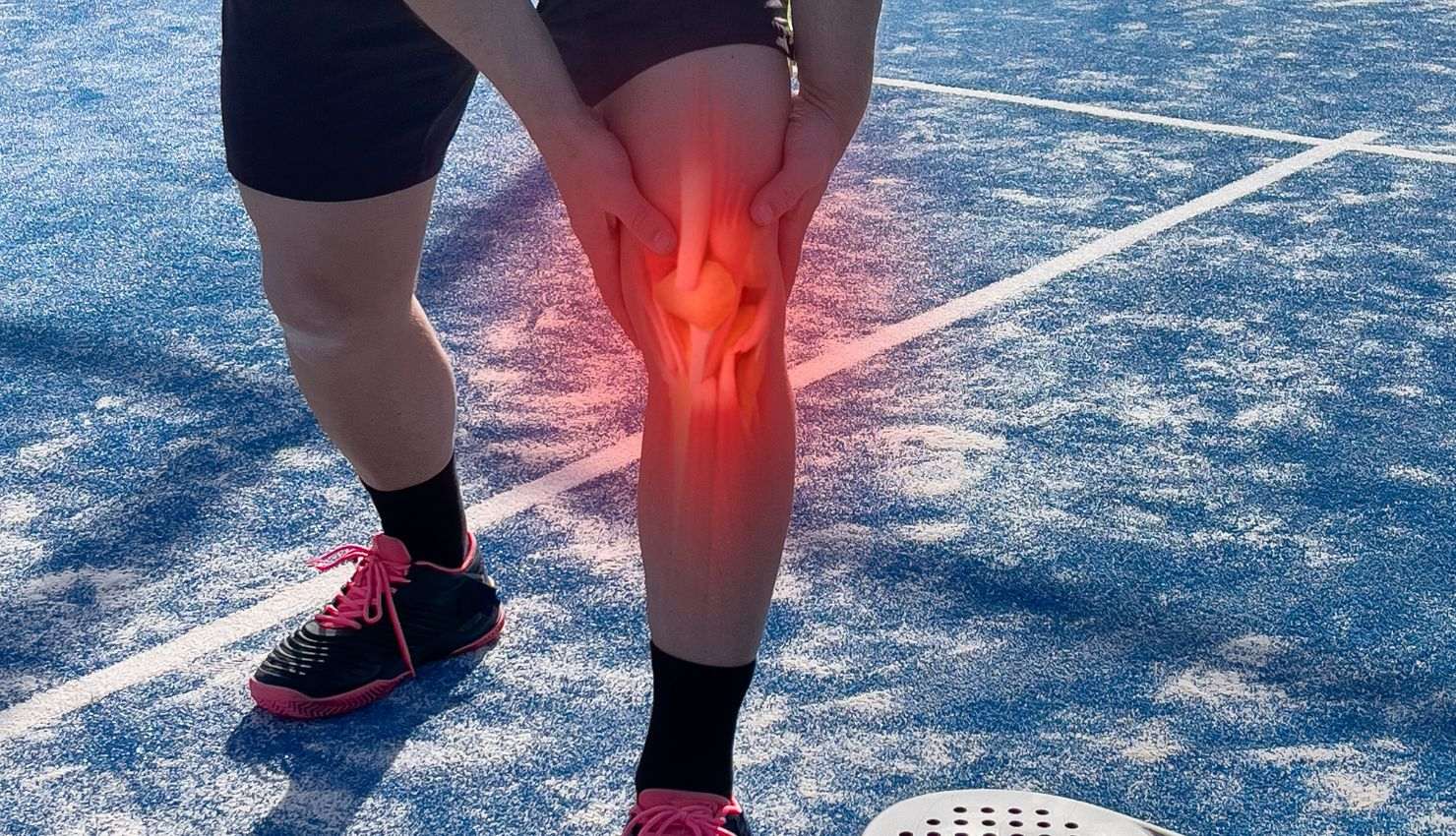
Overuse injuries occur when a specific part of the body is subjected to repetitive stress or strain over time, often due to repeated movements, prolonged activity, or insufficient rest. Common examples include tendonitis, stress fractures, and muscle strains. These injuries typically affect athletes, workers in physically demanding jobs, or anyone who engages in repetitive tasks. The pain from overuse injuries can range from mild discomfort to severe, debilitating pain, but physiotherapy offers a highly effective solution for managing and easing the pain, promoting healing, and preventing further damage.
Heres how physiotherapy helps ease the pain of overuse injuries:
### **1. Pain and Inflammation Management**
One of the first goals in treating overuse injuries is managing pain and reducing inflammation in the affected area. Physiotherapists employ various methods to provide relief during the initial stages of injury, allowing the body to heal without further aggravating the condition.
#### **Techniques for Pain and Inflammation Control:**
* **Ice Therapy (Cryotherapy)**: Ice is applied to the injured area to reduce inflammation and numb the pain. Ice therapy is especially helpful during the acute phase of an overuse injury, reducing swelling and soothing the discomfort.
* **Heat Therapy**: Heat helps to relax tight muscles, improve blood circulation, and reduce stiffness. It is most effective in the later stages of healing, once the acute inflammation has subsided.
* **Transcutaneous Electrical Nerve Stimulation (TENS)**: TENS uses low-voltage electrical impulses to stimulate the nerves, which can block pain signals and encourage the release of endorphins (natural painkillers), helping reduce pain.
* **Ultrasound Therapy**: Therapeutic ultrasound uses sound waves to promote circulation and reduce inflammation, helping to heal soft tissue injuries, such as tendonitis or muscle strains, associated with overuse.
These methods allow patients to experience reduced pain and inflammation, facilitating the next steps in their recovery.
—
### **2. Restoring Range of Motion (ROM)**
Overuse injuries often result in stiffness and a reduced range of motion in the affected area, making it difficult to perform even simple tasks. Physiotherapists use a combination of gentle exercises and manual techniques to help restore movement and flexibility, reducing pain and discomfort.
#### **How Physiotherapy Restores ROM:**
* **Passive Range of Motion (ROM) Exercises**: In the early stages of recovery, physiotherapists may move the injured area through its range of motion to prevent further stiffness without overloading the tissues.
* **Active ROM Exercises**: As the injury heals, patients gradually begin performing exercises to move the injured area independently, restoring flexibility and reducing tightness.
* **Stretching**: Gentle stretching exercises help to lengthen tight muscles and tendons, improving flexibility and ROM around the injured joint or muscle.
* **Joint Mobilizations**: If the injury involves joint stiffness (e.g., from overuse), physiotherapists can use hands-on techniques to mobilize the joint and improve its movement.
Restoring ROM is essential for reducing pain and returning to normal daily activities.
—
### **3. Strengthening the Affected Area**
Overuse injuries often lead to weakness or muscle imbalances in the affected area. Physiotherapy addresses this by incorporating strengthening exercises that target the muscles surrounding the injured site, helping support the joint and reduce the risk of further damage.
#### **How Strengthening Helps:**
* **Restoring Muscle Function**: Weak muscles cant adequately support the joints, leading to further strain and injury. Strengthening exercises help rebuild muscle strength, improving stability and reducing pain.
* **Muscle Imbalance Correction**: Overuse injuries may result in muscle imbalances, where some muscles become overactive and others weak. Physiotherapists identify these imbalances and use targeted exercises to restore muscle function evenly across the affected area.
* **Enhancing Joint Support**: Strengthening the muscles around the affected joint helps support it during movement, reducing pain caused by instability or excessive stress on the joint.
#### **Common Strengthening Exercises:**
* **Isometric Exercises**: These exercises involve contracting muscles without moving the joint, which is useful when the injured area is too painful for full movement. They are ideal for early-stage recovery.
* **Progressive Resistance Training**: Gradually increasing resistance (using weights, resistance bands, or machines) helps build strength without overloading the muscles during recovery.
* **Functional Strengthening**: Physiotherapists may use functional exercises (like squats, lunges, or resistance-based exercises) that simulate real-life movements to strengthen muscles used during daily activities.
Strengthening the muscles around the injured area helps reduce pain, restore stability, and prevent further injuries.
—
### **4. Correcting Posture and Movement Patterns**
Overuse injuries are often a result of poor posture, improper movement mechanics, or repetitive motions that place stress on certain areas of the body. Physiotherapists assess posture and movement patterns to identify and correct these issues, which helps alleviate pain and prevent re-injury.
#### **How Posture and Movement Correction Helps:**
* **Postural Training**: Poor posture can lead to muscle imbalances and overuse of certain muscles. Physiotherapists teach patients how to sit, stand, and move with proper alignment to reduce strain on the body.
* **Movement Pattern Education**: Physiotherapists guide patients on how to perform daily activities (such as lifting, bending, or reaching) with proper technique to prevent strain on the affected muscles and joints.
* **Ergonomics**: If overuse is related to work (e.g., office workers with repetitive motions), physiotherapists assess the work environment and recommend ergonomic adjustments to reduce the risk of injury.
Improving posture and movement patterns helps eliminate the repetitive strain that causes overuse injuries and relieves pain.
—
### **5. Desensitization and Neuroplasticity Techniques**
In cases of chronic overuse injuries, patients may experience hypersensitivity in the affected area, leading to pain from even light touch or movement. Physiotherapists use desensitization and neuroplasticity techniques to retrain the brain and reduce hypersensitivity.
#### **How Desensitization and Neuroplasticity Work:**
* **Tactile Desensitization**: Physiotherapists gradually introduce various textures (such as cotton balls, fabrics, or brushes) to the sensitive area, allowing the body to re-adjust to tactile input without triggering pain.
* **Graded Exposure**: Gradually reintroducing movement and activity helps the brain adjust to normal sensations and reduces the pain response.
* **Motor Control Training**: Physiotherapists may use exercises that retrain proper movement patterns, helping the brain reconnect with the affected area and reduce pain sensitivity.
These techniques help reduce chronic pain by improving the way the nervous system processes pain signals.
—
### **6. Improving Circulation and Reducing Swelling**
In the case of overuse injuries, poor circulation and swelling can exacerbate pain and slow down the healing process. Physiotherapists incorporate techniques to improve circulation, reduce swelling, and promote tissue healing.
#### **How Physiotherapy Improves Circulation:**
* **Active Movement**: Gentle exercises and movement help promote blood flow to the affected area, delivering nutrients and oxygen needed for tissue repair.
* **Manual Therapy**: Techniques like lymphatic drainage massage and soft tissue mobilization can help reduce swelling and improve circulation to the injured tissues.
* **Compression and Elevation**: Compression bandages or wraps, along with elevating the injured area, can assist in reducing swelling and improving blood flow.
By improving circulation and reducing swelling, physiotherapy accelerates the healing process and alleviates pain associated with overuse injuries.
—
### **7. Preventing Future Injuries**
One of the most important aspects of physiotherapy for overuse injuries is the prevention of future injuries. Physiotherapists provide guidance on how to avoid re-injury and reduce the risk of further damage to the affected area.
#### **Prevention Strategies:**
* **Strengthening Exercises**: Maintaining strong and balanced muscles around the affected joint or muscle reduces the likelihood of re-injury.
* **Activity Modification**: Physiotherapists help individuals adjust their activities to avoid overloading the injured area, recommending rest breaks and alternative exercises that are less likely to cause strain.
* **Warm-Up and Cool-Down**: Physiotherapists teach the importance of warming up before exercise and cooling down afterward to prevent muscle tightness and enhance flexibility.
By addressing the root causes of overuse injuries and providing ongoing education, physiotherapy helps prevent future pain and injuries.
—
### **Conclusion**
Physiotherapy is a key treatment for overuse injuries, offering effective pain relief, muscle rehabilitation, and long-term prevention strategies. Through techniques such as ice and heat therapy, strengthening exercises, manual therapy, and movement correction, physiotherapists help reduce pain, restore function, and promote healing. Whether you’re recovering from a recent injury or managing a chronic condition, physiotherapy offers a holistic and comprehensive approach to treating overuse injuries, improving mobility, and preventing future complications. If you are dealing with pain from overuse, consulting a physiotherapist is an essential step toward recovery.