Tennis elbow, or lateral epicondylitis, is a condition caused by the overuse of the muscles and tendons in the forearm, leading to pain and inflammation on the outer part of the elbow. Despite its name, tennis elbow is not limited to tennis players; it can affect anyone who performs repetitive arm and wrist motions, such …

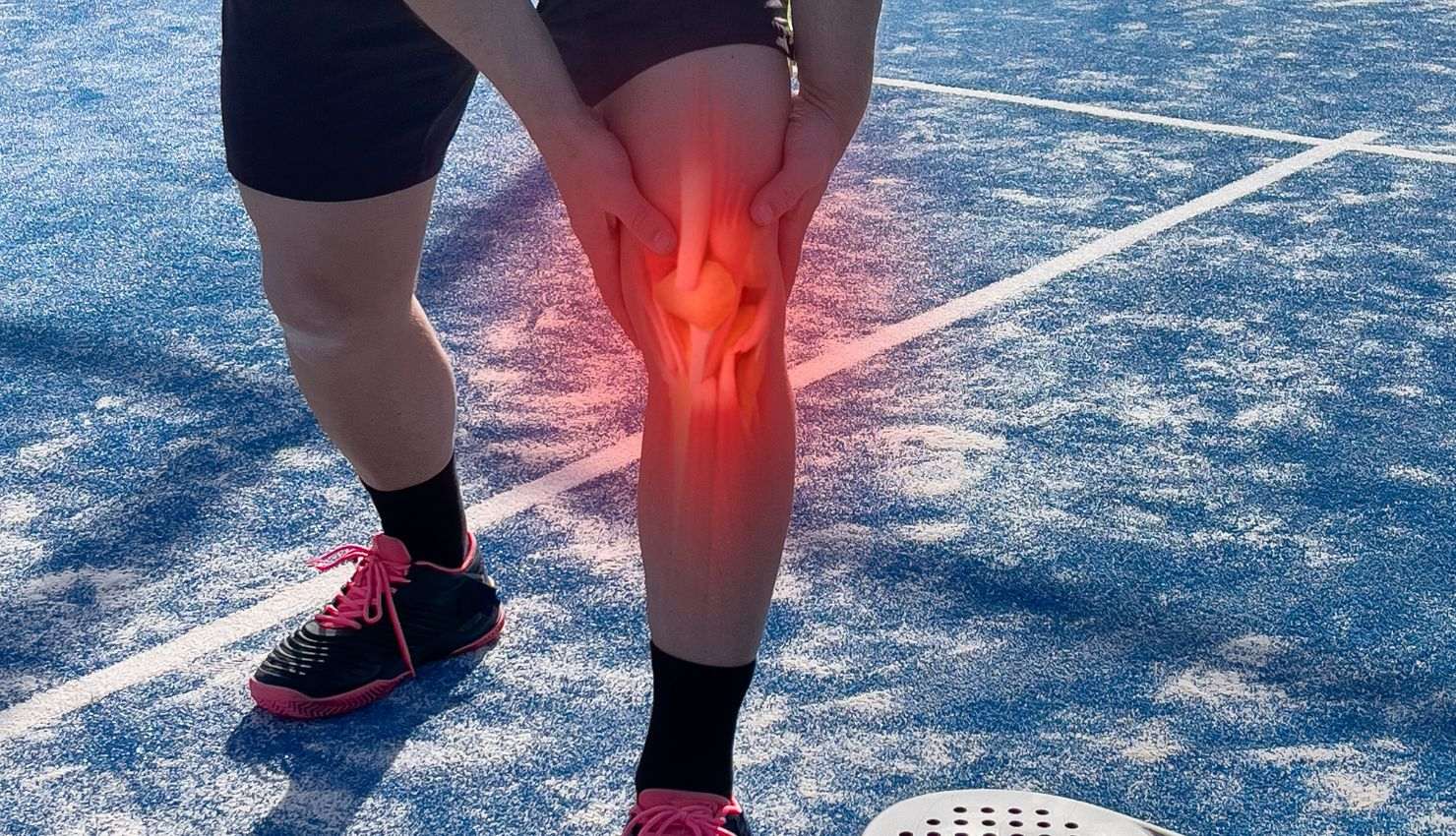
Tennis elbow, or lateral epicondylitis, is a condition caused by the overuse of the muscles and tendons in the forearm, leading to pain and inflammation on the outer part of the elbow. Despite its name, tennis elbow is not limited to tennis players; it can affect anyone who performs repetitive arm and wrist motions, such as painters, carpenters, and office workers. The pain can range from mild to severe, and if left untreated, it can persist for months or even years. Fortunately, physiotherapy is an effective treatment option for managing and relieving the pain associated with tennis elbow.
Heres how physiotherapy helps manage pain and promote recovery in individuals with tennis elbow:
### **1. Pain Relief and Inflammation Control**
The first step in treating tennis elbow is managing pain and reducing inflammation. Physiotherapists employ various techniques to control pain and swelling, allowing you to move the elbow without discomfort.
#### **Pain Relief Techniques in Physiotherapy:**
* **Ice Therapy (Cryotherapy)**: Applying ice to the elbow helps reduce inflammation, numb pain, and prevent further tissue damage. Ice therapy is particularly effective during the acute phase of tennis elbow.
* **Heat Therapy**: Once the initial swelling has subsided, heat can be used to relax tight muscles, improve circulation, and reduce muscle spasms around the elbow.
* **Transcutaneous Electrical Nerve Stimulation (TENS)**: TENS involves using electrical currents to stimulate nerves and block pain signals, providing relief from tennis elbow pain by promoting the release of endorphins (natural painkillers).
* **Ultrasound Therapy**: Therapeutic ultrasound uses sound waves to penetrate the tissues, increasing blood flow and reducing inflammation in the affected area, aiding in tissue healing.
These treatments help manage pain, reduce swelling, and create a more comfortable environment for further rehabilitation.
—
### **2. Stretching and Range of Motion (ROM) Exercises**
Tennis elbow often results in limited range of motion and tightness in the forearm and elbow joint. Physiotherapists use stretching and mobility exercises to improve flexibility and restore normal movement in the elbow and surrounding muscles.
#### **How Physiotherapy Restores ROM:**
* **Gentle Stretching**: Physiotherapists guide you through stretching exercises that target the forearm muscles, tendons, and joints. These stretches help lengthen tight muscles and improve flexibility in the elbow, forearm, and wrist.
* **Active and Passive ROM Exercises**: Initially, passive range-of-motion exercises (where the physiotherapist assists in moving the arm) are performed. As recovery progresses, active ROM exercises are introduced, allowing you to move the elbow and wrist through their full range of motion independently.
* **Wrist Extensor Stretch**: Tennis elbow typically involves tightness in the wrist extensor muscles. A simple wrist extensor stretch can help relieve tension and reduce discomfort in the elbow.
Improved ROM reduces stiffness and tightness, allowing you to move the affected joint without pain and discomfort.
—
### **3. Strengthening Exercises**
Once the pain and inflammation have been controlled, strengthening exercises are essential for restoring muscle function, improving tendon strength, and preventing future injury. Tennis elbow often results from weakened forearm muscles, and strengthening them can help prevent recurrence of the condition.
#### **How Strengthening Helps with Tennis Elbow:**
* **Progressive Resistance Training**: Physiotherapists guide you through resistance exercises designed to strengthen the muscles around the elbow, wrist, and forearm. These exercises help rebuild the strength of the extensor muscles and improve overall stability in the elbow joint.
* **Isometric Exercises**: Isometric exercises involve contracting the muscles without joint movement, making them ideal for early rehabilitation stages when movement is still painful. For example, holding a wrist flexion or extension position for several seconds helps engage the muscles without overloading the tendon.
* **Eccentric Exercises**: Eccentric exercises, such as slowly lowering a dumbbell after lifting it, focus on strengthening the tendon as it lengthens. These exercises are particularly effective in treating tennis elbow, as they target the tendons ability to absorb force and promote healing.
* **Wrist and Forearm Strengthening**: Using light weights or resistance bands, physiotherapists introduce exercises that target the wrist extensors and other muscles in the forearm, building strength and resilience.
Strengthening the muscles around the elbow not only alleviates current pain but also helps protect against future overuse injuries.
—
### **4. Manual Therapy**
Manual therapy involves hands-on techniques that can help improve mobility, release muscle tension, and promote healing in the affected tissues. For tennis elbow, manual therapy is often used to release tight muscles, improve circulation, and break down any scar tissue that may have formed.
#### **Types of Manual Therapy:**
* **Soft Tissue Mobilization**: Soft tissue massage helps release muscle tightness and improve circulation in the forearm and elbow area, alleviating pain and promoting healing in the tendons and surrounding tissues.
* **Myofascial Release**: This technique targets the fascia (the connective tissue around the muscles) to release tension and improve the mobility of the affected area.
* **Joint Mobilization**: Physiotherapists use gentle joint mobilizations to improve the movement of the elbow joint. This can reduce stiffness and improve the overall function of the joint.
* **Cross-Fiber Friction Massage**: This specific massage technique targets the tendon to reduce scar tissue and improve tissue flexibility, aiding in tendon healing.
Manual therapy provides immediate pain relief, improves tissue flexibility, and enhances overall joint mobility, making it a crucial part of the treatment for tennis elbow.
—
### **5. Ergonomics and Activity Modification**
One of the primary causes of tennis elbow is repetitive stress or overuse of the muscles and tendons in the forearm. Physiotherapists help individuals with tennis elbow modify their daily activities to reduce strain on the elbow, thus promoting recovery and preventing future flare-ups.
#### **How Physiotherapy Helps with Activity Modification:**
* **Workplace Ergonomics**: For people who work in jobs that require repetitive arm movements (such as typing, using a mouse, or lifting), physiotherapists can assess the workplace setup and recommend ergonomic adjustments to reduce strain on the elbow and wrist.
* **Proper Lifting Techniques**: Physiotherapists teach proper lifting techniques, such as bending your knees rather than using your back and forearms, to reduce the risk of injury and overuse.
* **Rest and Recovery**: Physiotherapists encourage patients to take frequent breaks during activities that involve repetitive arm movements and recommend incorporating rest periods to allow the elbow to recover.
By reducing the risk of overuse and optimizing movement patterns, physiotherapists help prevent the recurrence of tennis elbow.
—
### **6. Taping and Bracing Techniques**
In some cases, physiotherapists may use taping techniques or braces to provide additional support to the elbow, reduce strain on the tendons, and facilitate healing.
#### **Taping and Bracing for Tennis Elbow:**
* **Kinesiology Taping**: Kinesiology tape can be applied to the forearm and elbow to provide support to the injured area, promote circulation, and reduce pain. This taping technique is flexible and allows for full range of motion while protecting the tendon.
* **Forearm Braces**: Wearing an elbow brace or forearm strap can reduce the strain on the affected tendon by redistributing pressure away from the injured area. This is especially helpful during activities that involve gripping or lifting.
Taping and bracing provide additional support and can help reduce pain, allowing for a quicker recovery while still staying active.
—
### **7. Education and Self-Management**
Physiotherapists educate patients on how to manage their condition effectively and prevent future injuries. This involves understanding the causes of tennis elbow, the importance of proper movement patterns, and ways to incorporate rest and recovery into daily routines.
#### **Self-Management Tips for Tennis Elbow:**
* **Proper Warm-Up**: Before engaging in any physical activity, its essential to warm up the muscles in the forearm and elbow to reduce the risk of injury. Physiotherapists may recommend dynamic stretches and exercises to prepare the muscles for movement.
* **Gradual Return to Activity**: Once pain subsides, physiotherapists guide patients through a gradual return to activity, ensuring that the injured area is properly conditioned and prepared to handle the physical demands of everyday life or sports.
* **Exercise Consistency**: Regular exercise is crucial to maintaining the strength and flexibility of the muscles and tendons around the elbow. Consistent, controlled exercises prevent re-injury and ensure long-term recovery.
By educating patients on proper self-care techniques, physiotherapists help reduce the likelihood of re-injury and promote long-term healing.
—
### **Conclusion**
Physiotherapy plays a crucial role in treating tennis elbow by addressing the pain, inflammation, muscle imbalances, and movement dysfunction that accompany the condition. Through techniques such as ice and heat therapy, manual therapy, strengthening exercises, stretching, and ergonomic education, physiotherapists help manage pain, promote healing, and prevent recurrence. If youre suffering from tennis elbow, consulting a physiotherapist can help you recover more efficiently, return to your activities pain-free, and reduce the risk of future injuries.