Neuromuscular re-education (NMR) is a rehabilitation technique used to restore normal movement patterns and improve the function of the muscles and nervous system. It plays a crucial role in pain management, particularly when pain results from improper movement patterns, muscle imbalances, or nerve dysfunction.

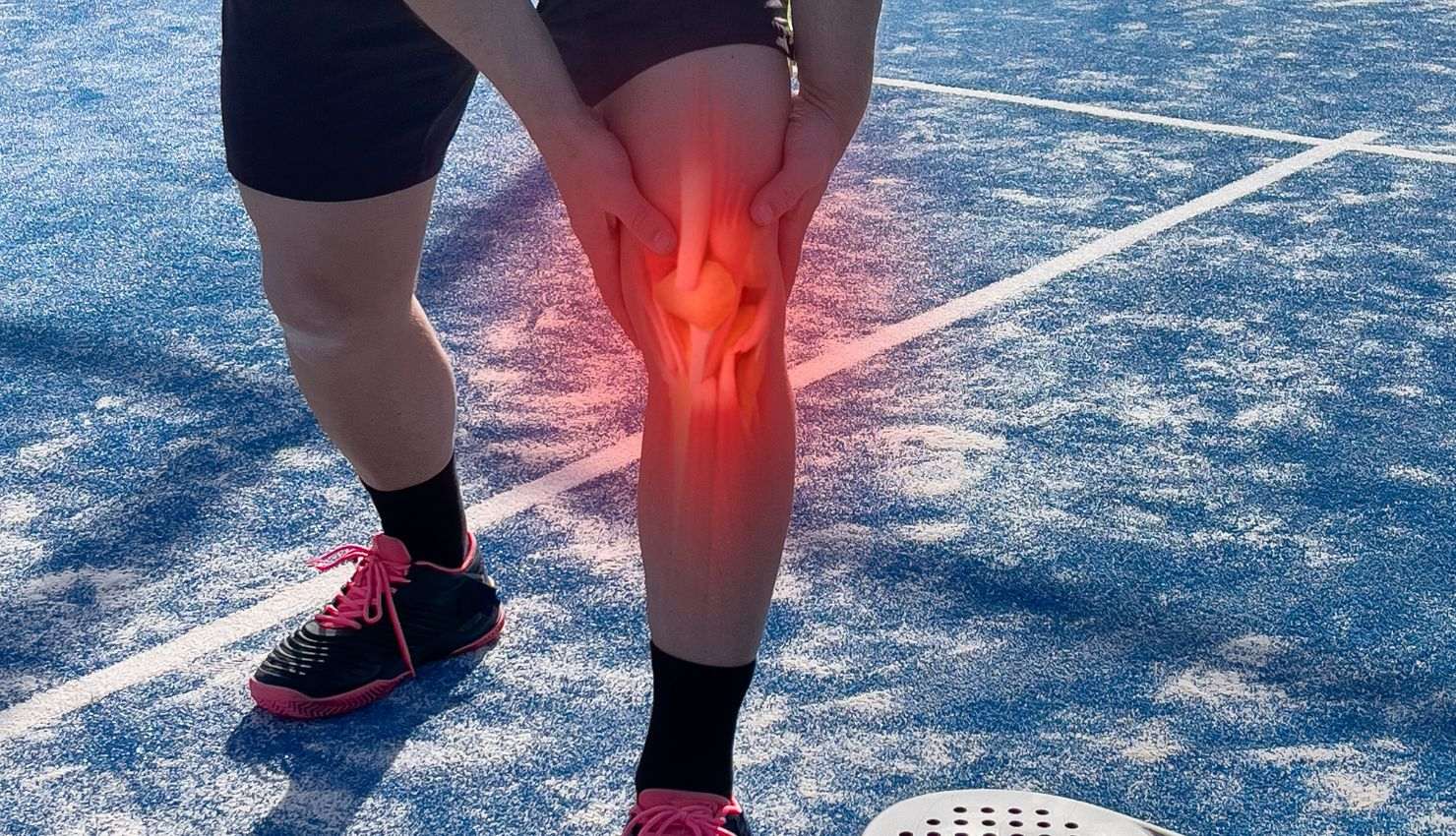
Neuromuscular re-education (NMR) is a rehabilitation technique used to restore normal movement patterns and improve the function of the muscles and nervous system. It plays a crucial role in pain management, particularly when pain results from improper movement patterns, muscle imbalances, or nerve dysfunction. By re-educating the nervous system to properly control muscle movements and improve motor control, NMR helps individuals manage pain, prevent further injuries, and improve overall physical performance.
Here’s how neuromuscular re-education plays a vital role in pain management:
### **1. Restoring Normal Movement Patterns**
Pain and injury often lead to altered movement patterns, where the body compensates by using muscles in an inefficient or abnormal way. This can exacerbate pain or lead to the development of new pain in other areas of the body. Neuromuscular re-education focuses on restoring normal, coordinated movement patterns.
#### **How NMR Restores Movement Patterns:**
* **Correcting Compensatory Movements**: When one muscle group compensates for weakness or injury in another, it can lead to poor posture and inefficient movement, often causing pain in surrounding areas. NMR retrains the body to use proper muscle activation and movement, reducing the strain on overused muscles and joints.
* **Improving Muscle Coordination**: NMR helps improve the communication between the brain and muscles, ensuring that the muscles work in the proper sequence and at the right time, leading to more efficient and pain-free movement.
* **Movement Re-training**: Through targeted exercises, NMR retrains the bodys motor control system to perform everyday tasks (e.g., walking, bending, lifting) with proper technique, reducing the risk of injury and pain recurrence.
—
### **2. Alleviating Pain Through Proper Muscle Activation**
Muscle dysfunction can be a significant contributor to pain, especially when muscles are either underactive or overactive due to injury, poor posture, or habitual movement patterns. By focusing on the proper activation of muscles, NMR can help reduce pain associated with muscle imbalances and misalignment.
#### **How NMR Alleviates Pain Through Muscle Activation:**
* **Reactivating Weak Muscles**: Muscles that are weak or not firing properly can result in pain and dysfunction. For example, in cases of low back pain, weak core muscles may contribute to overloading the spine and increasing pain. NMR targets these muscles to help them engage and strengthen, improving overall stability and reducing strain on joints.
* **Relaxing Overactive Muscles**: In some cases, muscles may become tight and overactive due to chronic pain or injury. This can lead to muscle spasms and increased tension. NMR helps reduce overactivity by teaching the body to relax specific muscles, alleviating tension and reducing pain.
* **Improved Posture and Alignment**: Poor posture or alignment can put unnecessary stress on the muscles and joints, leading to pain. By retraining the body to maintain better posture and alignment, NMR can help alleviate discomfort, particularly in the neck, back, and shoulders.
—
### **3. Enhancing Proprioception and Balance**
Proprioception refers to the bodys ability to sense its position and movement in space. Impaired proprioception, often resulting from injury or pain, can lead to poor coordination, balance issues, and further injury. NMR plays a critical role in restoring proprioception and improving balance, which in turn helps manage pain and reduce the risk of future injuries.
#### **How NMR Improves Proprioception and Balance:**
* **Rebuilding Sensory-Motor Function**: NMR helps restore the brains ability to perceive movement and position correctly. This process improves the coordination between muscles, tendons, and joints, reducing the risk of overcompensation and injury that may cause pain.
* **Balance Training**: Proprioception exercises often involve balance training, which helps retrain the nervous system to react to changes in posture or movement. Improved balance reduces the risk of falls, instability, and musculoskeletal injuries, all of which can lead to pain.
* **Functional Movement Drills**: NMR incorporates functional movements that mimic daily activities (such as walking, reaching, or bending), improving the bodys ability to move without pain or strain during these tasks.
—
### **4. Reducing Muscle Tension and Spasms**
Muscle tension and spasms are common contributors to chronic pain. Whether caused by overuse, stress, or injury, tight muscles can lead to restricted movement and discomfort. NMR helps reduce muscle tension and spasms by encouraging more efficient muscle use and proper activation.
#### **How NMR Relieves Muscle Tension:**
* **Increased Muscle Flexibility**: Through controlled movements and exercises, NMR helps to improve flexibility, allowing muscles to relax and reducing tightness. Stretching exercises, as part of NMR, also increase the length of muscle fibers, improving muscle flexibility and reducing strain.
* **Relaxing Overactive Muscles**: NMR techniques often involve exercises designed to relax hyperactive muscles. For example, if a muscle group has been overcompensating for another, NMR focuses on retraining the body to relax the overactive muscles, reducing pain caused by spasms or tension.
* **Stimulating Deep Muscles**: NMR helps activate deep stabilizing muscles that are often neglected during regular physical activity. By strengthening these deeper muscles, it reduces the load placed on more superficial muscles, preventing muscle spasms and relieving tension.
—
### **5. Preventing Re-Injury**
One of the key benefits of neuromuscular re-education is that it helps prevent re-injury by teaching the body to move more efficiently and safely. By addressing the underlying causes of pain, such as muscle imbalances or faulty movement patterns, NMR helps individuals return to physical activity with a reduced risk of injury.
#### **How NMR Prevents Re-Injury:**
* **Restoring Proper Movement Patterns**: As NMR retrains the body to move correctly, it helps reduce the likelihood of compensatory movements that could lead to injury. Proper movement patterns protect muscles, joints, and tendons from undue stress, thereby preventing future pain and injury.
* **Muscle Re-education**: By strengthening weak muscles and improving muscle coordination, NMR ensures that all muscles work together harmoniously, reducing the risk of overuse injuries.
* **Gradual Return to Activity**: NMR prepares the body for a gradual return to physical activity or sports by progressively rebuilding strength, endurance, and flexibility. This gradual progression minimizes the risk of re-injury and helps individuals stay active without exacerbating pain.
—
### **6. Supporting Psychological Well-being**
Chronic pain can have a profound psychological impact, often leading to anxiety, frustration, and depression. Neuromuscular re-education not only addresses the physical aspects of pain but can also contribute to emotional well-being by improving the ability to move without discomfort.
#### **How NMR Supports Mental Health:**
* **Confidence in Movement**: As individuals experience pain relief and improved movement, their confidence in performing daily activities increases. This sense of control helps reduce feelings of helplessness associated with chronic pain.
* **Reduced Anxiety**: Successfully learning to move pain-free helps reduce the anxiety that often accompanies chronic pain. Patients are empowered to engage in activities they might have avoided due to fear of pain or re-injury.
* **Mind-Body Connection**: NMR encourages mindful movement, where individuals focus on how they move their bodies. This mindfulness helps alleviate pain and tension, contributing to a sense of relaxation and emotional well-being.
—
### **7. Integrating NMR with Other Pain Management Strategies**
Neuromuscular re-education works effectively in conjunction with other pain management approaches, including manual therapy, medication, and exercise. By incorporating NMR into a broader treatment plan, individuals can achieve more comprehensive and sustainable pain relief.
#### **Combining NMR with Other Treatments:**
* **Manual Therapy**: NMR can be paired with hands-on techniques like massage, joint mobilization, and myofascial release to further relax tight muscles, reduce pain, and improve mobility.
* **Strengthening and Flexibility Exercises**: NMR can be integrated with targeted exercises designed to improve strength, flexibility, and endurance, addressing specific areas of pain.
* **Lifestyle and Ergonomic Education**: Physiotherapists may provide guidance on posture, body mechanics, and ergonomics to prevent the recurrence of pain, complementing the effects of NMR.
—
### **Conclusion**
Neuromuscular re-education plays a pivotal role in managing pain, especially when pain is caused by faulty movement patterns, muscle imbalances, or nerve dysfunction. Through techniques that improve coordination, restore proper muscle function, and enhance proprioception, NMR helps reduce pain, prevent re-injury, and improve overall physical performance. By retraining the brain and body to move more efficiently and without discomfort, NMR empowers individuals to manage chronic pain and improve their quality of life. Whether as part of a comprehensive rehabilitation program or a stand-alone therapy, neuromuscular re-education offers a holistic approach to pain management that addresses both the physical and mental aspects of recovery.