A herniated disc, also known as a slipped or ruptured disc, occurs when the soft, gel-like center (nucleus pulposus) of a spinal disc protrudes through a tear in the outer layer (annulus fibrosus). This can put pressure on surrounding nerves, leading to pain, numbness, or weakness in areas like the back, legs, or neck, depending …

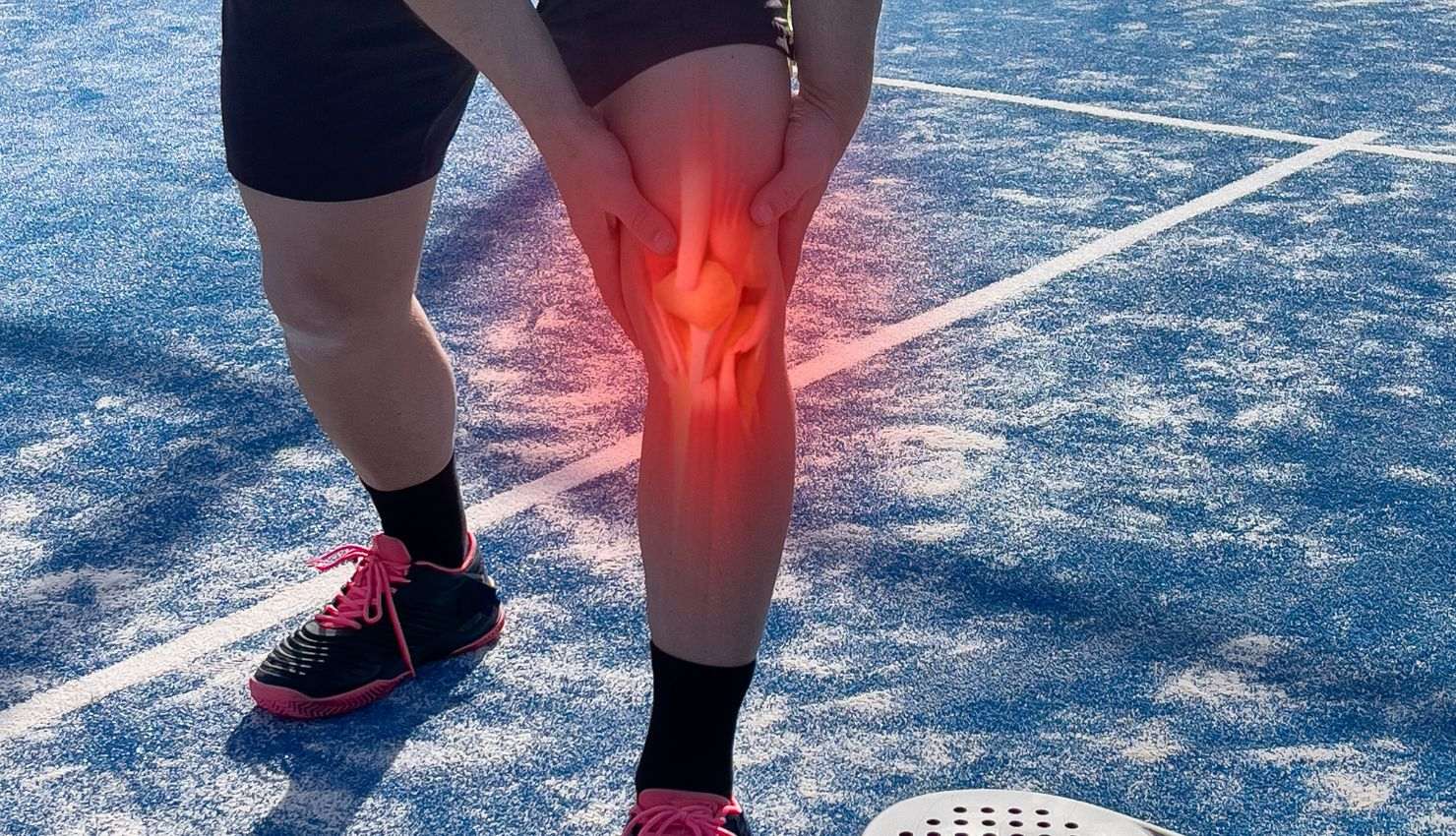
A herniated disc, also known as a slipped or ruptured disc, occurs when the soft, gel-like center (nucleus pulposus) of a spinal disc protrudes through a tear in the outer layer (annulus fibrosus). This can put pressure on surrounding nerves, leading to pain, numbness, or weakness in areas like the back, legs, or neck, depending on the location of the herniation. While herniated discs can be painful and limit movement, physiotherapy plays a crucial role in managing pain, promoting healing, and improving function.
Heres how physiotherapy can help manage pain from a herniated disc:
### **1. Initial Assessment and Diagnosis**
The first step in managing pain from a herniated disc is a thorough assessment by a physiotherapist. They will evaluate the severity of the herniation, assess your pain levels, and identify movement restrictions.
#### **What Happens During the Assessment:**
* **Medical History**: The physiotherapist will ask about your symptoms, the onset of pain, and any activities that aggravate or relieve the pain. Understanding your lifestyle and occupation can also help tailor the treatment plan.
* **Physical Examination**: The therapist will assess your posture, range of motion, muscle strength, and areas of tenderness. They may perform specific tests to determine the affected area and the impact of the herniated disc on your function and mobility.
* **Neurological Tests**: If necessary, the physiotherapist will check for nerve involvement, such as testing reflexes, sensation, and muscle strength in the affected areas (e.g., legs or arms), which can help identify nerve compression from the herniated disc.
Based on this initial assessment, the physiotherapist will develop a personalized treatment plan designed to relieve pain and improve movement.
—
### **2. Pain Management and Inflammation Control**
Reducing pain and inflammation is essential in the early stages of a herniated disc injury. Physiotherapy helps control these symptoms to facilitate healing and restore mobility.
#### **How Physiotherapy Helps Manage Pain and Inflammation:**
* **Cold Therapy (Cryotherapy)**: Ice is applied to the affected area to reduce swelling and inflammation. This helps numb the pain and provides relief, particularly in the acute phase of the injury.
* **Heat Therapy**: After the initial inflammation has reduced, heat therapy can be used to relax muscles and improve blood circulation to the injured area, which helps alleviate stiffness and pain.
* **TENS (Transcutaneous Electrical Nerve Stimulation)**: This technique uses electrical impulses to block pain signals and stimulate the release of endorphins (natural painkillers). TENS can be an effective method for controlling pain in areas affected by nerve compression.
* **Ultrasound Therapy**: Ultrasound therapy uses sound waves to penetrate deep into tissues, promoting blood flow and reducing inflammation in the muscles and tissues surrounding the herniated disc.
These methods help reduce the pain caused by a herniated disc, allowing for greater participation in rehabilitation exercises.
—
### **3. Restoring Range of Motion (ROM)**
A herniated disc can lead to stiffness and limited range of motion (ROM), especially in the lower back, neck, or shoulders. Physiotherapy focuses on improving flexibility and joint mobility to reduce pain and improve functional movement.
#### **How Physiotherapy Restores ROM:**
* **Gentle Stretching**: Physiotherapists guide patients through gentle stretching exercises to improve flexibility and reduce tightness in the muscles surrounding the affected area. Stretching can help relieve pressure on the nerves and reduce pain.
* **Joint Mobilization**: Physiotherapists use specific techniques to mobilize the spinal joints and restore their normal movement. This is particularly useful in cases of neck or lower back pain caused by a herniated disc.
* **Range of Motion Exercises**: Passive ROM exercises (where the physiotherapist moves the spine) and active ROM exercises (where the patient moves the spine) are introduced to gradually restore movement and flexibility without exacerbating pain.
Improving ROM helps reduce discomfort caused by muscle stiffness and joint restrictions, facilitating easier and more pain-free movement.
—
### **4. Strengthening the Core and Supporting Muscles**
Weak muscles, especially in the core and back, can contribute to the development of pain from a herniated disc. Strengthening the muscles that support the spine helps stabilize the injured area, reduce strain, and alleviate pain.
#### **How Strengthening Helps with Herniated Disc Pain:**
* **Core Strengthening**: The core muscles (including the abdominals, lower back, and pelvic muscles) play a key role in supporting the spine. Strengthening these muscles reduces the load on the discs and prevents further injury or strain.
* **Targeted Back Exercises**: Strengthening exercises are focused on the back muscles to improve stability and provide better support for the spine. Stronger muscles reduce the amount of pressure on the affected discs and help prevent further degeneration.
* **Pelvic Floor Exercises**: Strengthening the pelvic floor muscles can also help stabilize the lower back, supporting the spine and reducing strain on the injured area.
Strengthening the muscles around the spine and core improves posture and stability, helping alleviate pain and prevent re-injury.
—
### **5. Postural Training and Body Mechanics**
Poor posture and incorrect body mechanics can exacerbate the pain caused by a herniated disc. Physiotherapists help individuals understand how to maintain proper posture and perform activities in ways that reduce strain on the spine.
#### **How Postural Training Helps with Herniated Disc Pain:**
* **Neutral Spine Positioning**: Physiotherapists educate patients on maintaining a neutral spine during sitting, standing, and moving to reduce the load on the discs and alleviate pain.
* **Ergonomics**: Physiotherapists assess your workstation and daily activities to recommend ergonomic adjustments that minimize strain on the back and neck. This may include proper chair height, lumbar support, or desk positioning.
* **Lifting Techniques**: Lifting objects incorrectly, especially from a bent position, can exacerbate pain from a herniated disc. Physiotherapists teach proper lifting techniques to avoid strain on the spine and reduce pain.
By correcting posture and body mechanics, physiotherapy helps reduce the risk of further injury and provides long-term pain relief.
—
### **6. Education on Activity Modification and Lifestyle Changes**
Managing a herniated disc is not only about treatment but also involves making lifestyle changes to reduce the risk of aggravating the condition. Physiotherapists provide guidance on modifying activities and making lifestyle adjustments to support long-term recovery.
#### **How Activity Modifications Help with Pain Relief:**
* **Pacing and Rest**: Physiotherapists advise patients on how to pace their activities to avoid overloading the injured area. Taking regular breaks and avoiding prolonged sitting or standing can help reduce the strain on the spine and prevent flare-ups.
* **Safe Exercise and Activity Levels**: Physiotherapists help individuals find a balance between staying active and not exacerbating the injury. Low-impact exercises like walking, swimming, or cycling can help improve circulation and strength without placing excessive strain on the back.
* **Lifestyle and Weight Management**: Excess weight places additional stress on the spine and can worsen pain from a herniated disc. Physiotherapists offer guidance on healthy lifestyle choices, including nutrition and weight management, to reduce the strain on the spine.
Making these adjustments helps patients manage their condition in the long term and reduce the likelihood of pain recurrence.
—
### **7. Manual Therapy for Pain Relief and Healing**
Manual therapy involves hands-on techniques that can help restore mobility, reduce pain, and improve circulation around the herniated disc. These techniques can complement other forms of treatment in managing pain from a herniated disc.
#### **Manual Therapy Techniques for Herniated Disc Pain:**
* **Spinal Manipulation**: A trained physiotherapist may use spinal manipulation to restore movement in the spine, improve joint mobility, and reduce pain from a herniated disc. This can help alleviate discomfort and promote recovery.
* **Soft Tissue Mobilization**: Physiotherapists use techniques like massage or myofascial release to release tight muscles and improve circulation. This helps relax the muscles surrounding the spine and reduces muscle spasms, which can contribute to pain.
* **Traction**: In some cases, gentle spinal traction may be used to relieve pressure on the discs and nerves, which can reduce pain and improve mobility.
Manual therapy helps to improve spinal mobility, relieve tension, and reduce pain from a herniated disc.
—
### **8. Preventing Future Injuries**
Once pain has been managed and mobility restored, physiotherapists help patients develop strategies to prevent future injuries. Strengthening, posture correction, and lifestyle adjustments are all part of an ongoing program to prevent re-injury and manage any ongoing discomfort.
#### **Preventive Strategies:**
* **Long-Term Strengthening Program**: Physiotherapists provide an ongoing exercise program to continue strengthening the muscles that support the spine, ensuring long-term stability and pain relief.
* **Maintaining Proper Posture**: Patients are encouraged to maintain the postural habits learned during physiotherapy to avoid straining the back and neck, reducing the risk of future flare-ups.
* **Activity Modification**: Patients are educated on how to avoid movements that could worsen their condition, ensuring that they can stay active and pain-free.
Preventing future injuries involves educating patients on healthy habits, which helps them maintain a healthy spine and avoid recurrent pain from a herniated disc.
—
### **Conclusion**
Physiotherapy is an effective, non-invasive treatment for managing and alleviating pain from a herniated disc. Through pain management techniques, strength and flexibility exercises, postural training, manual therapy, and lifestyle changes, physiotherapists help reduce discomfort, promote healing, and prevent further injury. Whether you’re experiencing acute pain from a recent herniated disc or managing a chronic condition, physiotherapy can play a vital role in restoring function, reducing pain, and improving your quality of life.