Mobilizations are hands-on techniques used by physiotherapists to improve joint mobility, reduce pain, and restore function. These techniques involve the controlled, passive movement of a joint to improve its range of motion (ROM) and relieve discomfort.

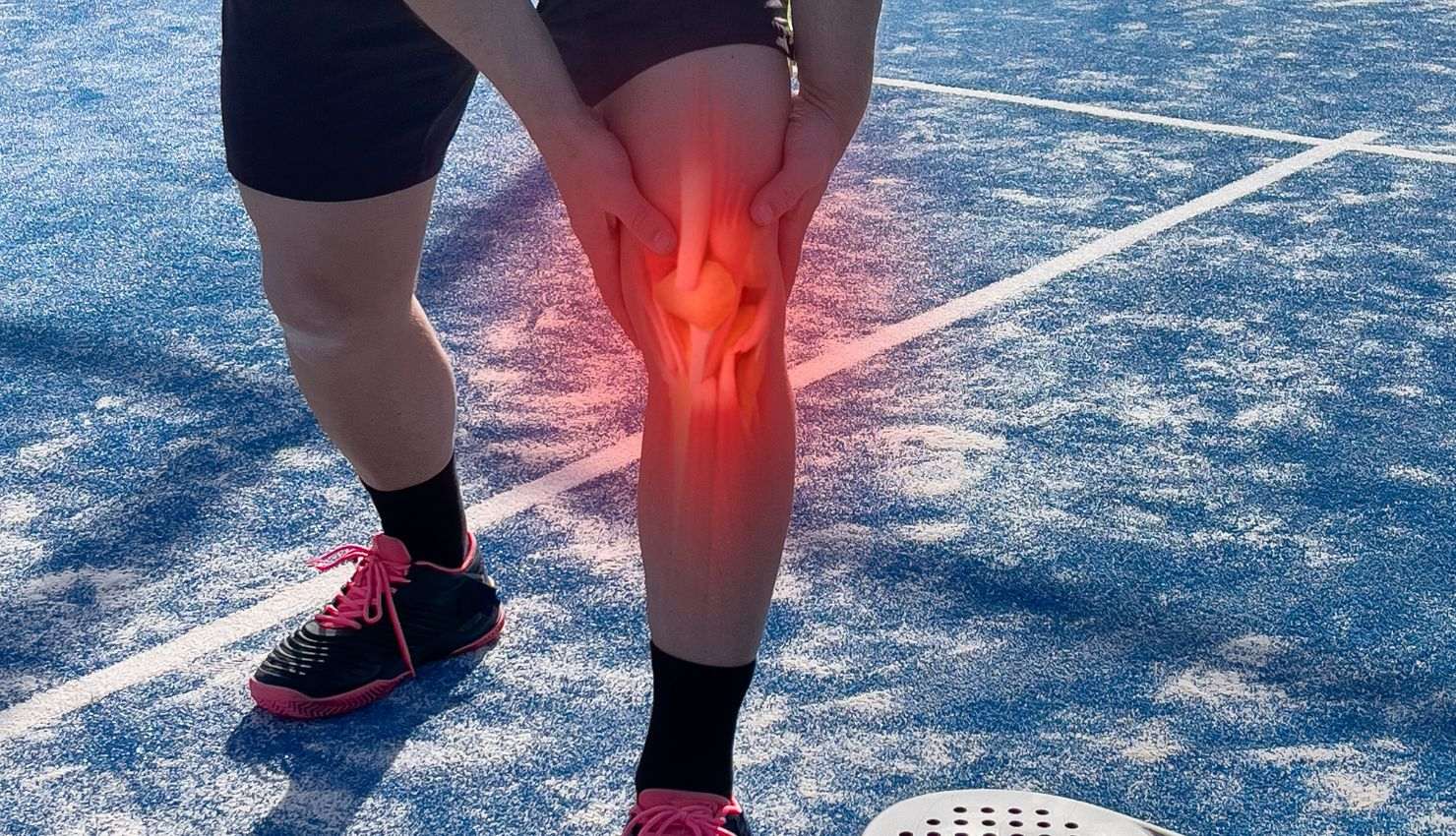
Mobilizations are hands-on techniques used by physiotherapists to improve joint mobility, reduce pain, and restore function. These techniques involve the controlled, passive movement of a joint to improve its range of motion (ROM) and relieve discomfort. Mobilizations can be used to address a variety of musculoskeletal conditions, including joint stiffness, muscle tension, and pain resulting from injuries, arthritis, or postural imbalances.
Mobilizations differ from manipulations in that they are usually gentler and involve slower movements within the joints normal range. They are used to help patients recover from joint-related pain and stiffness, and they play a significant role in pain relief and restoring normal function.
Heres a closer look at how physiotherapists use mobilizations for pain relief:
### **1. Reducing Joint Stiffness and Improving Range of Motion (ROM)**
When joints become stiff, either due to injury, inflammation, or conditions like arthritis, movement is restricted, leading to pain and discomfort. Joint mobilizations help to restore the normal range of motion by gently moving the joint within its natural limits.
#### **How Mobilizations Improve ROM and Reduce Stiffness:**
* **Gentle, Controlled Movements**: Physiotherapists use slow and controlled movements of the joint, applying a gradual force to stretch the joint capsule and surrounding tissues. This helps to reduce stiffness and allows for greater movement in the joint.
* **Increase Synovial Fluid Movement**: Joints contain synovial fluid, which lubricates the joint surfaces and aids in movement. Mobilizations encourage the movement of this fluid, helping to nourish the cartilage and improve joint lubrication, which reduces friction and pain during movement.
* **Breaking Down Adhesions and Scar Tissue**: Stiffness may also result from the formation of adhesions or scar tissue in the joint capsule. Mobilizations help break up these adhesions, improving the joints mobility and reducing discomfort.
Mobilizations effectively restore normal ROM and alleviate pain caused by joint stiffness, making it easier for patients to move freely without discomfort.
—
### **2. Pain Relief Through Stretching of Soft Tissues**
Mobilizations are not only beneficial for joint movement but also help stretch the surrounding soft tissues, such as ligaments, tendons, and muscles. This stretching effect can relieve muscle tension and alleviate pain associated with muscle tightness or overuse.
#### **How Mobilizations Help with Soft Tissue Pain:**
* **Targeting Tension in Soft Tissues**: Mobilizations can target areas of muscle or tendon tightness by stretching the soft tissues around the joint. This reduces muscle spasms and the associated pain that arises from overuse or poor posture.
* **Relaxing Muscles**: The controlled, rhythmic movements of joint mobilization can stimulate the nervous system, promoting relaxation in the muscles and surrounding tissues. This can provide relief from pain caused by muscle tension or spasms, particularly around the shoulders, back, and hips.
* **Improving Circulation**: Mobilizations can also promote blood flow to the affected area, aiding in the removal of metabolic waste and encouraging the delivery of nutrients needed for tissue repair. Enhanced circulation speeds up recovery and reduces pain.
By stretching soft tissues and improving circulation, mobilizations help reduce muscle pain and promote healing.
—
### **3. Restoring Normal Joint Function**
When a joint is injured or suffers from a chronic condition like osteoarthritis, it can become misaligned, leading to pain and dysfunction. Joint mobilizations aim to restore proper alignment and movement patterns within the joint, improving function and reducing pain.
#### **How Mobilizations Restore Normal Function:**
* **Re-aligning the Joint**: Misalignment or restricted movement within a joint can cause discomfort and dysfunction. Mobilizations help realign the joint by gently moving it within its normal range, allowing for smoother and more efficient movement.
* **Relieving Pressure on Nerves**: If a misaligned joint is compressing nearby nerves, it can result in pain, tingling, or numbness. Mobilizations help alleviate this pressure by restoring the joints mobility, which can provide immediate pain relief.
* **Correcting Abnormal Movement Patterns**: When a joint is stiff or misaligned, it often leads to abnormal movement patterns that place extra stress on other parts of the body. By restoring normal joint motion, mobilizations help correct these movement patterns, reducing pain and preventing further injury.
Mobilizations help restore joint function, reduce pain from misalignment, and promote smoother, more efficient movement, improving overall mobility.
—
### **4. Managing Chronic Pain from Conditions Like Arthritis**
Osteoarthritis, rheumatoid arthritis, and other chronic joint conditions can lead to significant pain, stiffness, and reduced function. Mobilizations are an effective way to manage pain in patients with these conditions by improving joint mobility and reducing the discomfort caused by inflammation and joint degeneration.
#### **How Mobilizations Help with Chronic Pain:**
* **Reducing Inflammation**: In cases of arthritis, inflammation within the joint capsule can cause significant pain and stiffness. Mobilizations can help reduce inflammation by improving circulation to the joint and promoting the movement of synovial fluid.
* **Maintaining Joint Health**: Joint mobilizations are especially useful in maintaining the function and health of arthritic joints. By improving ROM and joint lubrication, mobilizations help prevent further deterioration of the joint and reduce the progression of symptoms.
* **Pain Reduction**: Mobilizations help reduce the pain associated with arthritis by decreasing the stiffness in the joints and improving overall joint movement. By addressing the mechanical causes of pain, mobilizations can provide long-term relief.
For patients with chronic joint conditions, regular mobilizations help reduce pain, improve mobility, and slow down the progression of degenerative changes in the joints.
—
### **5. Neurophysiological Effects on Pain Sensitivity**
In addition to the mechanical benefits of mobilizations, they also have neurophysiological effects on pain perception. Mobilizations can reduce pain sensitivity and alter how the nervous system processes pain signals, leading to a reduction in overall pain.
#### **How Mobilizations Affect Pain Perception:**
* **Pain Gate Mechanism**: According to the gate control theory of pain, sensory input from non-painful stimuli can inhibit the transmission of pain signals to the brain. Mobilizations provide gentle mechanical stimulation to the joint, which can “close the pain gate” and reduce pain perception.
* **Endorphin Release**: Mobilizations can stimulate the release of endorphins, the bodys natural painkillers. This can provide immediate relief from pain and promote a sense of well-being.
* **Reduced Muscle Spasms**: Mobilizations can reduce muscle tension and spasms by stimulating the nervous system to promote relaxation. This helps alleviate pain from muscle-related discomfort, which is often associated with joint pain.
By affecting the nervous system, mobilizations help reduce pain sensitivity, providing relief from both acute and chronic pain.
—
### **6. Enhancing Functional Movement and Daily Activities**
Pain often limits a persons ability to perform daily activities such as walking, lifting, or reaching. Mobilizations aim to restore normal movement and improve function, enabling individuals to return to their everyday tasks without discomfort.
#### **How Mobilizations Improve Functional Movement:**
* **Restoring Joint Mobility for Functional Movement**: If joint stiffness or pain limits your ability to move freely, mobilizations help restore normal joint mobility, allowing for easier movement in everyday activities like reaching, bending, or carrying objects.
* **Supporting Rehabilitation**: For individuals recovering from an injury or surgery, mobilizations are used to gently ease the joint back into motion, preventing stiffness and promoting faster recovery. This helps patients regain function and return to normal activities sooner.
* **Prevention of Compensatory Movements**: When one joint is stiff or painful, people often compensate by overusing other joints or muscles. Mobilizations help reduce compensatory movement patterns, ensuring that the body moves efficiently and without additional strain or pain.
Mobilizations restore the bodys functional movements, reduce pain during daily activities, and support overall rehabilitation.
—
### **7. Promoting Relaxation and Reducing Stress**
Physiotherapists use mobilizations not just for mechanical benefits, but also for their relaxing effects on the body. Gentle mobilization techniques help activate the parasympathetic nervous system (the bodys rest and digest system), promoting relaxation and reducing stress, which can exacerbate pain.
#### **How Mobilizations Promote Relaxation:**
* **Muscle Relaxation**: Mobilizations help reduce tension in tight muscles and surrounding tissues, promoting a sense of relaxation and comfort.
* **Stress Reduction**: By promoting relaxation and improving joint mobility, mobilizations can reduce the physiological effects of stress, which can contribute to chronic pain.
* **Pain Management in Psychological Conditions**: For individuals dealing with chronic pain or pain with a psychological component (such as fibromyalgia or stress-related pain), mobilizations can provide both physical and mental relief, improving overall well-being.
Mobilizations help reduce stress and promote relaxation, which has a positive effect on pain perception and overall recovery.
—
### **Conclusion**
Mobilizations are an effective, non-invasive treatment used by physiotherapists to reduce pain, improve joint mobility, and promote overall function. Through controlled, passive movements, physiotherapists can help relieve stiffness, reduce muscle spasms, enhance circulation, and stimulate the nervous system to reduce pain. Whether for acute injuries, chronic conditions like arthritis, or post-surgery rehabilitation, mobilizations play a crucial role in managing pain and improving quality of life. By addressing both the mechanical and neurophysiological aspects of pain, mobilizations offer comprehensive relief that helps individuals regain mobility and return to normal activities. If youre experiencing joint pain or stiffness, consulting a physiotherapist for mobilization therapy can significantly enhance your recovery process.