Arthritis is a common condition that causes pain, stiffness, and inflammation in the joints, leading to reduced mobility and quality of life. Whether it’s osteoarthritis (OA), rheumatoid arthritis (RA), or another form, arthritis can significantly impact the body’s ability to function normally.

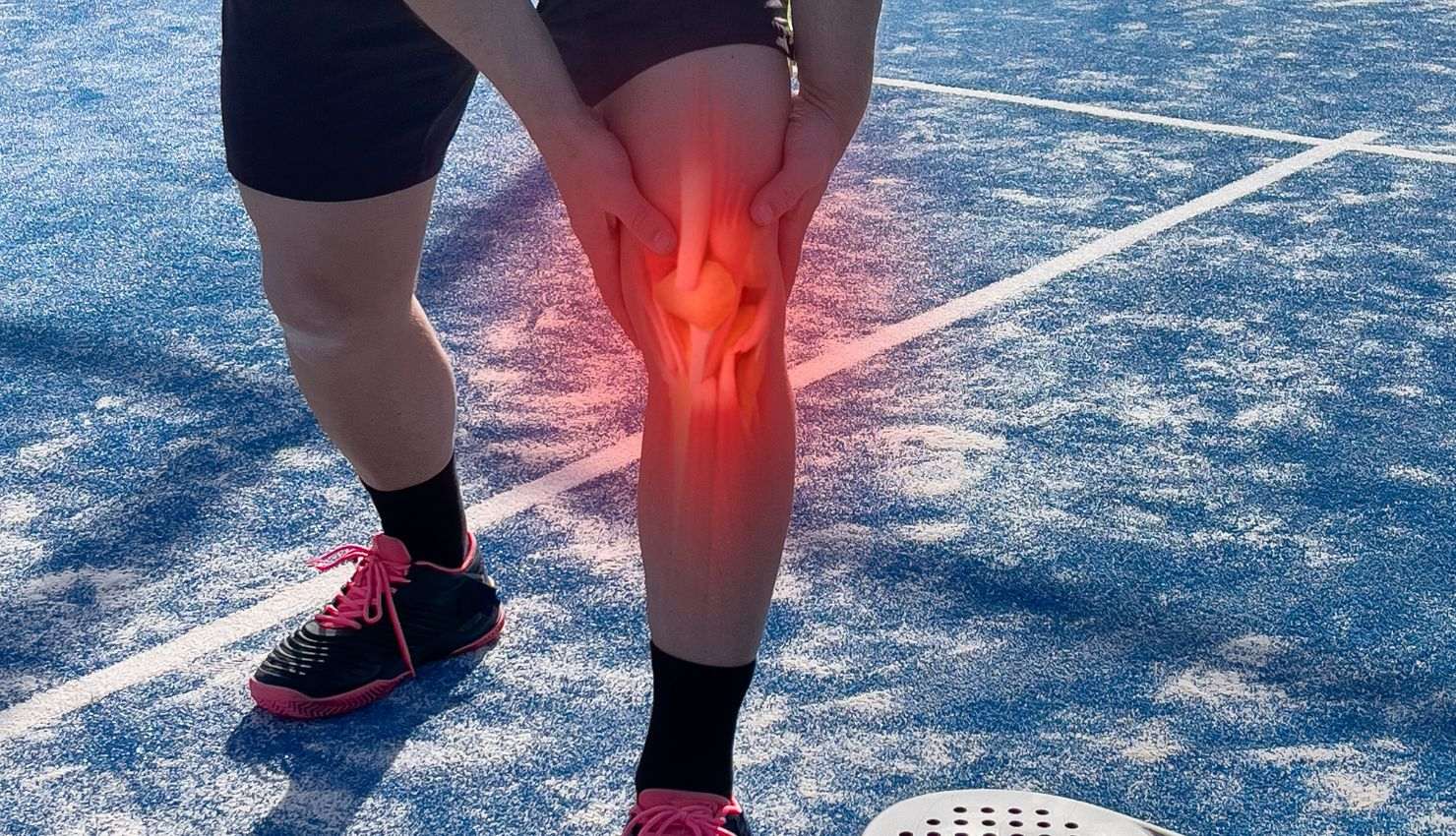
Arthritis is a common condition that causes pain, stiffness, and inflammation in the joints, leading to reduced mobility and quality of life. Whether it’s osteoarthritis (OA), rheumatoid arthritis (RA), or another form, arthritis can significantly impact the body’s ability to function normally. Physiotherapy offers a variety of non-invasive techniques to manage arthritis pain, reduce inflammation, restore movement, and improve overall joint function.
Heres how physiotherapy can help alleviate arthritis pain:
### **1. Comprehensive Assessment and Diagnosis**
The first step in using physiotherapy to alleviate arthritis pain is a thorough assessment. A physiotherapist will evaluate your specific symptoms, medical history, and lifestyle to determine the most appropriate treatment plan. Understanding the severity of the condition and the joints affected is key to personalizing treatment.
#### **What Happens During the Assessment:**
* **Medical History**: The physiotherapist will inquire about the type of arthritis (OA, RA, etc.), the duration and severity of your symptoms, and any previous treatments you have tried.
* **Physical Examination**: The physiotherapist will assess your range of motion (ROM), muscle strength, joint stability, and pain levels in the affected joints. This helps determine the impact arthritis has on your mobility and function.
* **Movement Analysis**: The therapist will observe how you move and perform certain tasks (e.g., walking, bending, standing). This helps identify movement restrictions caused by arthritis and any compensatory movements that could lead to further joint stress.
Once the assessment is complete, a tailored treatment plan is developed to address your specific needs.
—
### **2. Pain Relief Through Modalities**
One of the most immediate goals in managing arthritis is pain relief. Physiotherapists use various modalities to reduce pain and inflammation, especially during flare-ups or in the early stages of treatment.
#### **How Physiotherapy Helps with Pain Relief:**
* **Heat Therapy**: Heat is often used to relax tight muscles and improve blood flow. For individuals with arthritis, applying heat to the affected joint can reduce stiffness and relieve pain, particularly for conditions like osteoarthritis.
* **Cold Therapy (Cryotherapy)**: Cold therapy helps numb the area and reduce inflammation in joints, providing relief from swelling and pain. Cold packs or ice baths are particularly effective during an acute flare-up of arthritis.
* **TENS (Transcutaneous Electrical Nerve Stimulation)**: TENS units use electrical impulses to block pain signals and stimulate the release of endorphins, providing natural pain relief without medication.
* **Ultrasound Therapy**: Therapeutic ultrasound uses sound waves to stimulate deep tissue healing, improve circulation, and reduce inflammation in the affected joints. It can help alleviate chronic arthritis pain.
These modalities help provide immediate pain relief and create a better environment for other treatments to take effect.
—
### **3. Joint Mobilization and Manual Therapy**
Manual therapy techniques, including joint mobilization and soft tissue manipulation, are often used to treat arthritis pain by improving joint function, reducing stiffness, and restoring movement.
#### **How Physiotherapy Uses Manual Therapy:**
* **Joint Mobilization**: Physiotherapists use gentle, controlled movements to mobilize the joint and improve its range of motion. This is especially useful for individuals with osteoarthritis, where the cartilage in the joints has worn down, causing stiffness and discomfort.
* **Soft Tissue Mobilization**: This technique involves massaging the soft tissues around the affected joint to reduce muscle tightness, alleviate pain, and improve flexibility. It also helps to release trigger points (painful spots in the muscle) that may be contributing to joint pain.
* **Myofascial Release**: This technique targets tight muscles and fascia (connective tissue) to release restrictions, improve flexibility, and reduce pain.
Manual therapy helps reduce stiffness and discomfort in the joints while improving function and mobility.
—
### **4. Strengthening Exercises**
Arthritis often leads to muscle weakness around the affected joints, which can further exacerbate pain and reduce mobility. Strengthening exercises are crucial for stabilizing the joint, reducing the risk of further damage, and preventing pain.
#### **How Strengthening Exercises Help Manage Arthritis Pain:**
* **Targeted Strengthening**: Physiotherapists design exercises that specifically target the muscles surrounding the affected joint. For example, strengthening the quadriceps (thigh muscles) can help reduce knee pain in individuals with knee osteoarthritis.
* **Core and Postural Exercises**: Improving core strength and posture can help take pressure off the joints, particularly in the spine and hips. A strong core supports proper alignment, reducing the risk of further injury and pain.
* **Functional Strengthening**: Physiotherapists often incorporate functional exercises that mimic daily activities such as bending, squatting, and lifting. This helps improve overall strength and stability, reducing stress on the joints and preventing pain.
Strengthening muscles around the affected joints provides better support, reducing pain and enhancing mobility.
—
### **5. Flexibility and Range of Motion (ROM) Exercises**
Arthritis often causes stiffness in the joints, which reduces the range of motion and can lead to pain. Flexibility and ROM exercises are essential to alleviate pain, restore normal movement, and improve joint function.
#### **How Physiotherapy Helps with Flexibility and ROM:**
* **Stretching**: Physiotherapists prescribe specific stretches to improve flexibility in the muscles and connective tissues around the affected joints. This can help reduce tension and stiffness, leading to pain relief.
* **Active and Passive ROM Exercises**: Active ROM exercises involve moving the joint through its full range of motion, while passive ROM exercises involve the physiotherapist moving the joint for you. These exercises help maintain and improve the flexibility of the joint, reducing pain and improving movement.
* **Joint-Specific Stretches**: For conditions like shoulder or hip arthritis, physiotherapists may use joint-specific stretches to increase ROM and reduce discomfort.
By restoring flexibility and ROM, physiotherapy reduces the pain caused by muscle tightness and joint stiffness, allowing for smoother movement.
—
### **6. Posture and Ergonomic Education**
Poor posture and improper ergonomics can place additional strain on the joints, worsening arthritis pain. Physiotherapists assess your posture and daily activities to make recommendations that reduce joint stress and prevent further pain.
#### **How Physiotherapy Helps with Posture and Ergonomics:**
* **Postural Correction**: Physiotherapists educate you on how to maintain a neutral spine and proper joint alignment during everyday activities, such as sitting, standing, or walking. Proper posture helps reduce unnecessary stress on the joints, especially the spine, hips, and knees.
* **Ergonomic Adjustments**: Physiotherapists provide advice on how to set up your workspace, use tools, or adjust your environment to reduce strain on the joints. For example, they might recommend using a chair with proper lumbar support or adjusting the height of your computer monitor to reduce neck and shoulder pain.
* **Activity Modification**: Physiotherapists suggest alternative ways to perform tasks or exercises that reduce the load on affected joints, which helps minimize pain and prevent further joint damage.
Correcting posture and ergonomics reduces unnecessary strain on the joints, which helps alleviate pain and prevent further arthritis-related issues.
—
### **7. Balance and Fall Prevention**
Arthritis can cause muscle weakness, reduced joint stability, and pain, which increases the risk of falls. Physiotherapists help improve balance and stability through specific exercises that reduce the risk of falls and related injuries.
#### **How Physiotherapy Helps with Fall Prevention:**
* **Balance Training**: Physiotherapists design exercises to improve balance and coordination, particularly in individuals with arthritis affecting the hips, knees, or ankles. This can include standing on one leg, walking on uneven surfaces, or using balance boards.
* **Strengthening Lower Body Muscles**: Strong leg muscles help improve stability and reduce the likelihood of falls. Physiotherapists incorporate lower body strengthening exercises to improve leg strength and support joint function.
* **Assistive Devices**: For individuals at high risk of falling, physiotherapists may recommend using assistive devices, such as walkers or canes, to provide extra support during walking.
By improving balance, strength, and stability, physiotherapy helps prevent falls and reduces the pain associated with arthritis-related injuries.
—
### **8. Long-Term Maintenance and Prevention**
Physiotherapists dont just focus on relieving pain in the short term; they also provide strategies to prevent future flare-ups and maintain joint health in the long term.
#### **How Physiotherapy Helps with Long-Term Maintenance:**
* **Regular Exercise Routine**: Physiotherapists recommend an ongoing exercise program that includes strengthening, flexibility, and balance exercises to maintain joint function and prevent muscle atrophy.
* **Joint Protection Techniques**: Physiotherapists teach patients how to use their joints safely and efficiently to avoid unnecessary strain. This may include tips for lifting, bending, or using the joints during daily tasks.
* **Lifestyle Modifications**: Physiotherapists provide guidance on maintaining a healthy lifestyle, including weight management, nutrition, and the importance of rest and recovery, all of which contribute to better joint health.
Ongoing physiotherapy helps ensure that individuals with arthritis can manage their condition effectively and continue to live an active, pain-free life.
—
### **Conclusion**
Physiotherapy is an effective, holistic approach to managing arthritis pain. By focusing on pain relief, strengthening, flexibility, postural correction, and fall prevention, physiotherapists help improve joint function, reduce pain, and restore mobility. Through personalized treatment plans, physiotherapists empower individuals to manage their arthritis more effectively, improve their quality of life, and prevent further joint damage. Whether you’re dealing with osteoarthritis, rheumatoid arthritis, or another type of arthritis, physiotherapy offers a comprehensive solution to managing pain and improving overall health.