Knee pain is a common complaint that can result from a variety of factors, including overuse, injury, aging, or conditions like arthritis. The knee joint is a complex structure composed of bones, muscles, ligaments, and tendons, all of which can contribute to pain when injured or strained.

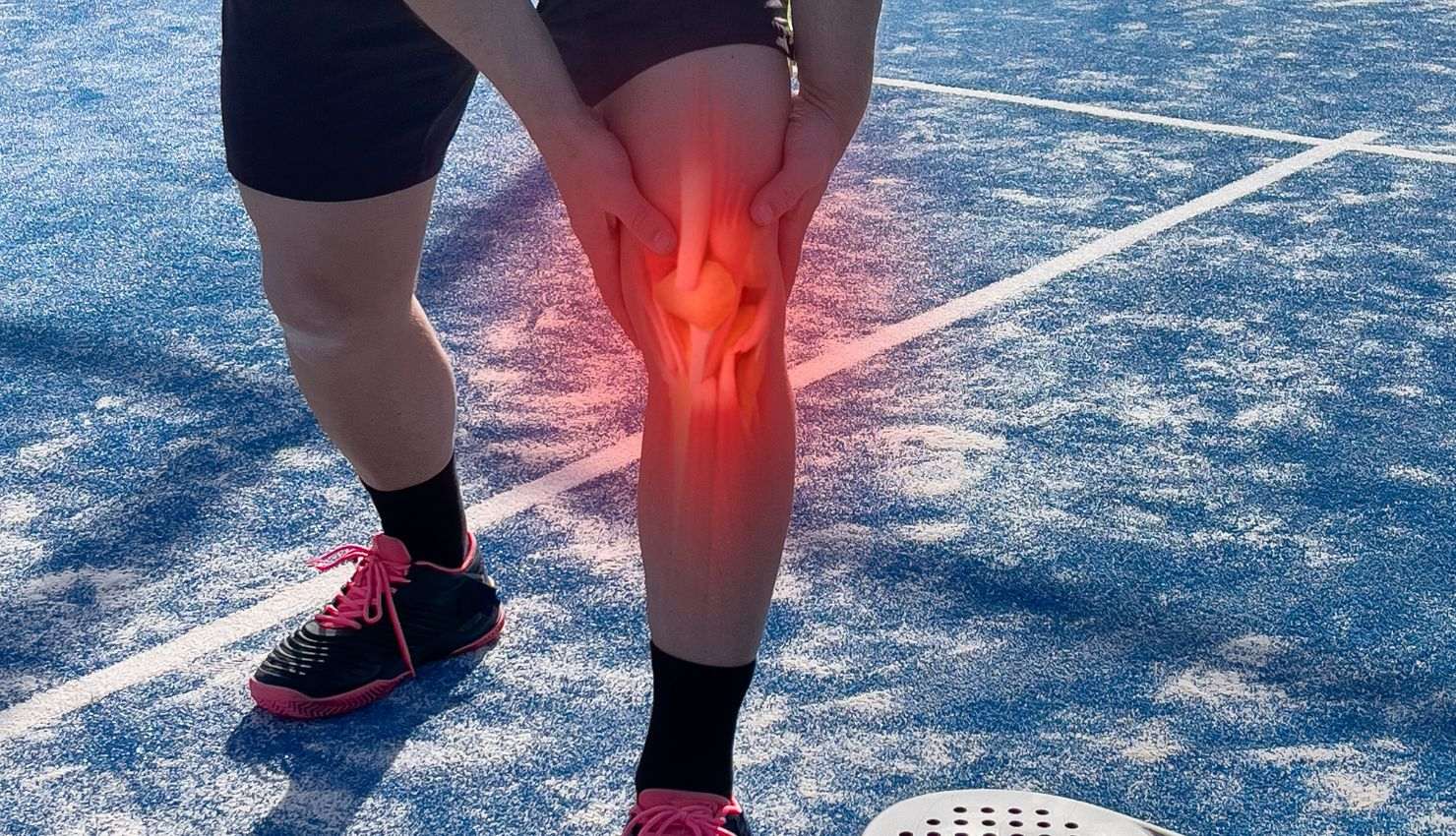
Knee pain is a common complaint that can result from a variety of factors, including overuse, injury, aging, or conditions like arthritis. The knee joint is a complex structure composed of bones, muscles, ligaments, and tendons, all of which can contribute to pain when injured or strained. Physiotherapy offers a non-invasive approach to managing knee pain by addressing the underlying causes, improving joint function, and reducing discomfort.
Here are some key physiotherapy techniques used to treat knee pain:
### **1. Comprehensive Assessment and Diagnosis**
The first step in managing knee pain with physiotherapy is a thorough assessment. The physiotherapist evaluates your symptoms, medical history, and physical function to determine the underlying cause of the pain.
#### **What Happens During the Assessment:**
* **Medical History**: The physiotherapist will ask about the onset, severity, and location of the pain, as well as any previous injuries or conditions that could contribute to the issue.
* **Physical Examination**: The physiotherapist will evaluate your range of motion (ROM), muscle strength, joint stability, and posture to identify any abnormalities.
* **Functional Assessment**: They may observe how the knee functions during specific movements, such as walking, squatting, or bending, to identify movement dysfunction or abnormal patterns that could be contributing to pain.
Once the assessment is complete, the physiotherapist will develop a personalized treatment plan to address the specific causes of your knee pain.
—
### **2. Pain Relief Techniques**
Reducing pain and inflammation is often the first priority in treating knee pain, especially in cases of acute injury or flare-ups. Physiotherapists use various modalities to provide immediate pain relief and reduce swelling.
#### **Pain Relief Methods in Physiotherapy:**
* **Cold Therapy (Cryotherapy)**: Ice packs or cold compresses are applied to reduce inflammation, numb pain, and control swelling, particularly in the early stages of an injury or flare-up.
* **Heat Therapy**: Heat is often used to relax muscles and improve circulation, especially in cases of chronic knee pain or stiffness. Heat therapy can help alleviate muscle tension around the knee joint.
* **TENS (Transcutaneous Electrical Nerve Stimulation)**: TENS units use electrical impulses to block pain signals and stimulate the release of endorphins, which are the bodys natural painkillers. TENS is a non-invasive way to manage knee pain.
* **Ultrasound Therapy**: Therapeutic ultrasound uses sound waves to penetrate deep tissues, improving blood flow, reducing inflammation, and promoting tissue healing in the knee joint.
These modalities help alleviate pain and create a more comfortable environment for rehabilitation.
—
### **3. Joint Mobilizations**
Joint mobilizations are a manual therapy technique used to improve the mobility of the knee joint and reduce stiffness. Physiotherapists use controlled, gentle movements to restore normal joint function and relieve pain.
#### **How Joint Mobilizations Help:**
* **Restoring ROM**: If knee pain is caused by stiffness or reduced range of motion (ROM), physiotherapists use joint mobilizations to improve the movement of the knee joint, making it easier and less painful to move.
* **Reducing Joint Pain**: Mobilizations help reduce the pressure and friction in the joint by improving the smooth gliding motion of the knee, alleviating pain during movement.
* **Targeting Specific Joints**: Physiotherapists target specific areas of the knee, such as the patellofemoral joint (the joint between the kneecap and the thigh bone), to improve alignment and function.
Joint mobilizations help restore normal movement, reduce stiffness, and alleviate pain in the knee joint.
—
### **4. Strengthening Exercises**
Weakness in the muscles surrounding the knee, particularly the quadriceps, hamstrings, and calves, can contribute to knee pain and instability. Strengthening exercises help restore muscle function, improve joint stability, and reduce strain on the knee.
#### **How Strengthening Exercises Help:**
* **Quadriceps Strengthening**: Strong quadriceps (the muscles at the front of the thigh) help stabilize the knee and prevent excessive strain on the joint. Exercises like straight leg raises, squats, and step-ups target the quadriceps.
* **Hamstring Strengthening**: The hamstrings (muscles at the back of the thigh) help balance the forces around the knee joint. Strengthening the hamstrings with exercises like leg curls or bridges can help improve knee function.
* **Glute and Hip Strengthening**: Weak hip muscles can lead to poor knee alignment and contribute to knee pain. Physiotherapists often include exercises like clamshells, hip abductions, and squats to strengthen the glutes and improve knee mechanics.
* **Calf Strengthening**: The calves play an important role in stabilizing the knee joint, particularly during activities like walking, running, and climbing stairs. Exercises like calf raises can help strengthen these muscles.
By improving muscle strength around the knee, physiotherapy helps improve joint stability and reduce pain caused by muscle weakness or imbalances.
—
### **5. Stretching and Flexibility Exercises**
Tight muscles, tendons, and ligaments around the knee can lead to pain and stiffness. Stretching exercises help improve flexibility, reduce tension, and alleviate discomfort.
#### **How Stretching Helps with Knee Pain:**
* **Hamstring and Quadriceps Stretching**: Tight hamstrings or quadriceps can contribute to knee pain. Physiotherapists prescribe specific stretches to target these muscle groups, improving flexibility and reducing tension in the knee joint.
* **Calf Stretching**: Tight calves can alter the mechanics of walking and put extra stress on the knee. Stretching the calf muscles helps improve flexibility and reduce strain on the knee.
* **IT Band Stretching**: The iliotibial (IT) band is a connective tissue that runs along the outer thigh and can contribute to knee pain, especially in runners. Stretching the IT band helps reduce tightness and alleviate discomfort in the knee.
Stretching helps restore flexibility, reduce tightness, and promote smoother, more comfortable movement in the knee joint.
—
### **6. Postural and Movement Training**
Poor posture and dysfunctional movement patterns can contribute to knee pain, especially during activities like walking, running, or climbing stairs. Physiotherapists assess your posture and movement mechanics to identify any abnormalities that may be placing additional stress on the knee.
#### **How Physiotherapy Helps with Posture and Movement:**
* **Gait Training**: Physiotherapists assess how you walk (gait) and identify any abnormal patterns, such as overstriding or limping, that may be contributing to knee pain. They may recommend corrective exercises to improve your gait and reduce strain on the knee.
* **Activity Modification**: Physiotherapists advise on how to modify movements and daily activities (e.g., sitting, lifting, or bending) to reduce pressure on the knee and prevent aggravating the pain.
* **Ergonomics and Joint Protection**: For individuals with knee pain related to work or daily tasks, physiotherapists recommend ergonomic modifications or assistive devices (e.g., knee braces) to reduce strain on the knee and prevent further injury.
By improving posture, movement mechanics, and activity habits, physiotherapy reduces unnecessary stress on the knee joint and helps prevent further pain or injury.
—
### **7. Balance and Proprioception Training**
Balance and proprioception (the sense of body position) are essential for knee stability and preventing falls or re-injury. Physiotherapists use balance exercises to improve coordination, joint stability, and overall knee function.
#### **How Balance Training Helps with Knee Pain:**
* **Proprioception Exercises**: Physiotherapists use exercises that challenge your ability to sense and control the position of your knee in space. This improves joint awareness and stability, reducing the risk of injury.
* **Balance Training**: Exercises like standing on one leg, using a balance board, or performing dynamic movements help improve coordination and stability, which are essential for preventing falls and improving knee function.
Balance and proprioception training improve knee stability, reduce the risk of falls, and help with functional recovery after knee pain or injury.
—
### **8. Education and Self-Management Strategies**
An important aspect of physiotherapy is educating patients on how to manage their knee pain outside of therapy sessions. Physiotherapists empower individuals to take control of their condition through self-care strategies and ongoing exercises.
#### **Self-Management Strategies:**
* **Home Exercise Program**: Physiotherapists design a personalized home exercise program that includes strengthening, stretching, and balance exercises to continue progress between therapy sessions.
* **Pain Management Tips**: Physiotherapists provide advice on how to manage knee pain at home, including the use of ice/heat therapy, taking breaks from aggravating activities, and performing gentle exercises to maintain knee function.
* **Lifestyle Modifications**: Physiotherapists offer guidance on how to maintain an active lifestyle without overloading the knee, such as recommending low-impact activities (e.g., swimming, cycling) or using supportive footwear.
By providing tools and strategies for self-management, physiotherapists help patients take control of their knee pain and maintain joint health in the long term.
—
### **Conclusion**
Physiotherapy offers a comprehensive approach to treating knee pain, focusing on pain relief, restoring function, strengthening muscles, improving flexibility, and preventing further injury. Whether the pain is due to osteoarthritis, ligament injuries, patellar tendinitis, or another condition, physiotherapy techniques such as manual therapy, strengthening exercises, stretching, and postural correction can help alleviate symptoms and improve mobility. Through individualized treatment plans, physiotherapy not only helps reduce knee pain but also empowers patients to manage their condition independently and return to daily activities with greater ease. If you’re dealing with knee pain, consulting a physiotherapist can be an effective step toward recovery and long-term knee health.