Active individuals, including athletes, fitness enthusiasts, and those with physically demanding jobs, are often prone to injuries and pain due to the high physical demands they place on their bodies. Whether its an acute injury, repetitive strain, or chronic pain, physiotherapy offers effective, non-invasive treatments to manage and relieve pain, accelerate recovery, and restore function.

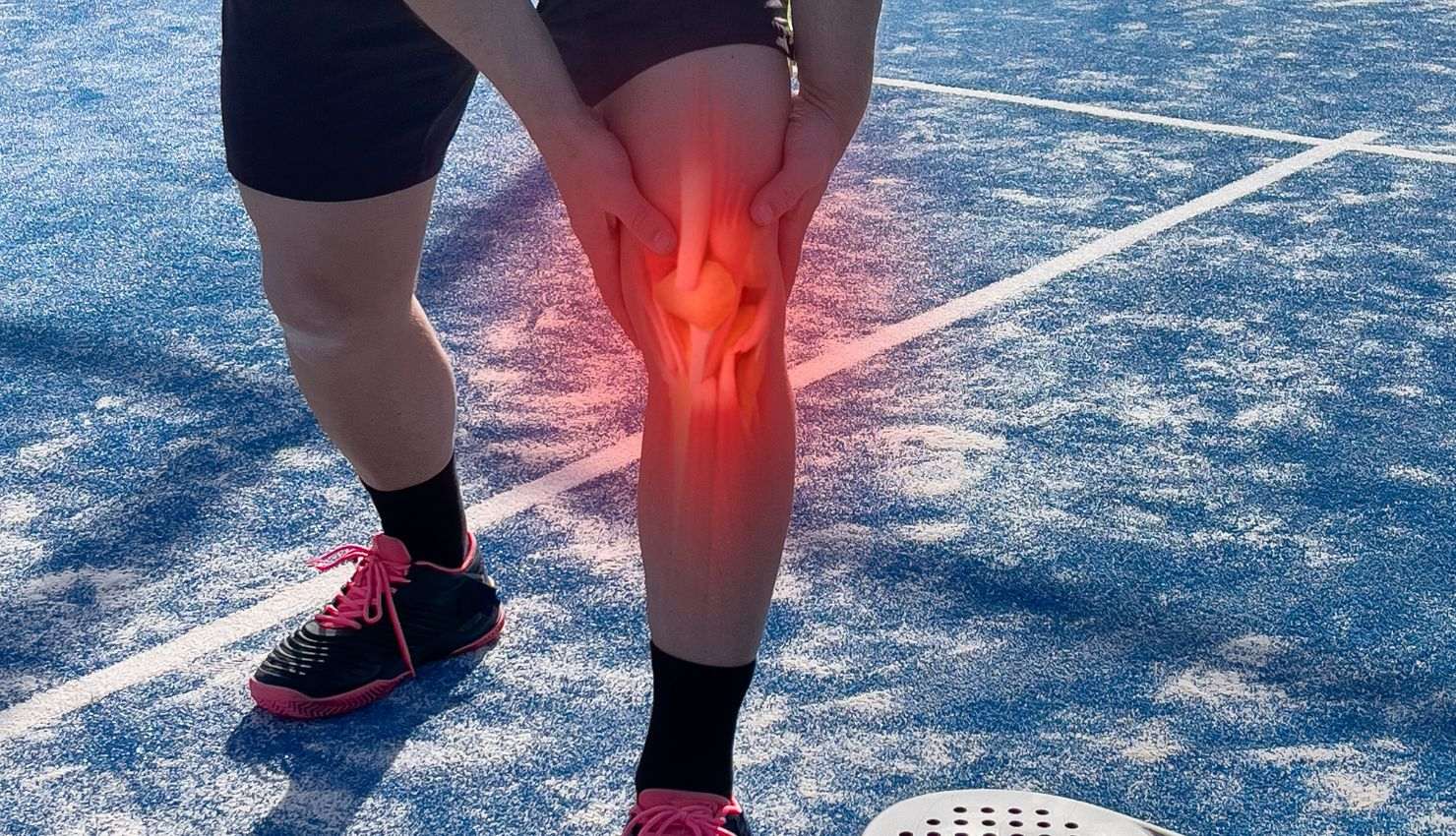
Active individuals, including athletes, fitness enthusiasts, and those with physically demanding jobs, are often prone to injuries and pain due to the high physical demands they place on their bodies. Whether its an acute injury, repetitive strain, or chronic pain, physiotherapy offers effective, non-invasive treatments to manage and relieve pain, accelerate recovery, and restore function. Physiotherapists tailor treatments to each individuals needs, addressing not just the symptoms but also the underlying causes of pain to help you return to your activities safely and pain-free.
Heres how physiotherapy helps active individuals achieve pain relief:
### **1. Comprehensive Assessment and Diagnosis**
The first step in addressing pain is understanding its cause. Physiotherapists conduct a detailed assessment to identify the type, location, and severity of the pain, as well as any underlying factors contributing to the issue.
#### **What Happens During the Assessment:**
* **Medical History**: The physiotherapist will ask about your activity level, past injuries, and the onset of pain to determine the cause and duration of the problem.
* **Physical Examination**: The physiotherapist will evaluate your range of motion (ROM), strength, muscle flexibility, and posture to pinpoint any areas of dysfunction or imbalance.
* **Functional Movement Analysis**: The physiotherapist may assess how the pain affects your ability to perform specific activities, such as running, lifting, or jumping, to develop a treatment plan that targets the root cause of pain.
A thorough assessment helps the physiotherapist develop a personalized treatment plan that addresses your unique pain and physical challenges.
—
### **2. Pain Management Techniques**
One of the primary goals of physiotherapy is to reduce pain, especially in the early stages of injury or flare-ups. Physiotherapists use various modalities and manual therapy techniques to manage pain effectively.
#### **How Physiotherapists Manage Pain:**
* **Cold Therapy (Cryotherapy)**: Cold therapy, such as ice packs or ice baths, helps reduce inflammation, swelling, and pain immediately following an injury or during a flare-up of chronic pain.
* **Heat Therapy**: Heat therapy, such as hot packs or heating pads, is used to relax muscles, improve blood circulation, and reduce stiffness, particularly in chronic pain conditions or post-injury recovery.
* **Transcutaneous Electrical Nerve Stimulation (TENS)**: TENS units use electrical impulses to block pain signals and stimulate the release of endorphins, the bodys natural painkillers, providing relief from muscle pain or joint discomfort.
* **Ultrasound Therapy**: Therapeutic ultrasound uses sound waves to penetrate deeper tissues, promoting blood flow, reducing inflammation, and speeding up tissue healing.
These modalities provide targeted pain relief, helping active individuals manage pain effectively and continue their rehabilitation process.
—
### **3. Manual Therapy**
Manual therapy includes hands-on techniques designed to treat musculoskeletal pain and improve function. These techniques are effective in relieving pain, restoring movement, and enhancing tissue flexibility.
#### **How Physiotherapists Use Manual Therapy:**
* **Soft Tissue Mobilization**: Physiotherapists use deep tissue massage and myofascial release techniques to reduce muscle tension, release trigger points, and improve circulation in the affected area.
* **Joint Mobilization**: Gentle, controlled movements applied to joints help improve their range of motion and reduce stiffness. This is especially helpful for joint pain or conditions like frozen shoulder, knee osteoarthritis, or spinal stiffness.
* **Manipulation**: In some cases, a physiotherapist may use manipulation techniques to treat specific musculoskeletal pain, especially for conditions like lower back pain or joint restrictions.
Manual therapy helps alleviate pain by restoring joint movement, reducing muscle tension, and promoting relaxation in the affected tissues.
—
### **4. Stretching and Flexibility Exercises**
Pain from tight muscles or restricted joints can significantly affect your movement and performance. Stretching and flexibility exercises are integral to pain relief, especially for active individuals recovering from injuries or managing chronic pain.
#### **How Stretching Helps with Pain Relief:**
* **Muscle Flexibility**: Physiotherapists guide individuals through stretches that target tight muscles and fascia to reduce muscle stiffness, enhance flexibility, and alleviate pain. For example, hamstring stretches are often included for athletes with lower back or knee pain.
* **Joint Flexibility**: In cases of joint pain or stiffness (such as in arthritis), physiotherapists use stretching and mobilization techniques to improve joint flexibility and reduce pain during movement.
* **Dynamic Stretching**: Active individuals can benefit from dynamic stretches, which involve controlled movement of the muscles and joints to improve range of motion and prepare the body for physical activity.
Stretching and flexibility exercises help reduce pain by enhancing muscle length, restoring joint movement, and preventing future injuries.
—
### **5. Strengthening Exercises**
Weakness in specific muscle groups can lead to pain and dysfunction, especially for active individuals who engage in repetitive or high-impact activities. Physiotherapists use strengthening exercises to improve muscle strength, stability, and support for the affected area.
#### **How Strengthening Exercises Help Manage Pain:**
* **Targeted Muscle Strengthening**: Physiotherapists prescribe exercises to target specific muscles around the injured area to rebuild strength, enhance joint stability, and reduce the risk of further injury. For example, strengthening the quadriceps can help alleviate knee pain caused by patellar tendinitis.
* **Core Strengthening**: A strong core is crucial for reducing the strain on the spine, hips, and knees. Physiotherapists include core strengthening exercises like planks and bridges to improve stability and reduce pain, particularly in lower back or hip pain cases.
* **Progressive Resistance Training**: Physiotherapists gradually increase the intensity of strength exercises to avoid overloading the injured area, ensuring the muscles are strengthened safely and effectively without exacerbating pain.
Strengthening muscles around the injury site improves stability, reduces pain, and promotes healing by providing better support to the affected area.
—
### **6. Balance and Proprioception Training**
For active individuals, maintaining proper balance and proprioception (the bodys sense of position and movement) is essential for injury prevention and recovery. Physiotherapists incorporate balance exercises to improve joint stability and prevent re-injury.
#### **How Physiotherapists Use Balance Training:**
* **Proprioception Exercises**: Physiotherapists guide you through exercises that challenge your balance and joint awareness. For example, standing on one leg or using a balance board helps improve your bodys ability to sense the position of your joints, reducing the risk of falls and instability.
* **Functional Balance Exercises**: These exercises simulate real-life movements, such as running, jumping, or cutting, to enhance balance and coordination during high-intensity activities.
Balance and proprioception training help improve stability and prevent re-injury, allowing you to return to sports or activities with greater confidence.
—
### **7. Education and Activity Modification**
An essential part of physiotherapy is educating active individuals on how to modify their activities to reduce the risk of further injury and manage pain. Physiotherapists provide tools and strategies for self-care and rehabilitation.
#### **How Physiotherapists Educate and Modify Activities:**
* **Pain Management Strategies**: Physiotherapists teach you how to manage pain at home, including using heat/ice therapy, resting, and using proper body mechanics when performing daily tasks or exercise.
* **Activity Modification**: Depending on the severity of the injury, physiotherapists suggest modifying activities to reduce strain on the injured area. This could include adjusting the intensity or frequency of exercise, using orthotics, or switching to low-impact activities like swimming or cycling.
* **Ergonomic Advice**: For individuals with repetitive strain injuries, physiotherapists may offer ergonomic recommendations to adjust the workplace setup or the way physical tasks are performed to reduce the risk of aggravating the injury.
By providing education on proper techniques and activity modifications, physiotherapists help active individuals recover safely and return to their activities without exacerbating pain.
—
### **8. Long-Term Prevention Strategies**
Preventing future injuries is a key goal in physiotherapy, particularly for active individuals who engage in intense physical activity. Physiotherapists provide long-term strategies to maintain physical health and prevent recurring pain.
#### **How Physiotherapy Helps Prevent Future Injuries:**
* **Ongoing Exercise Programs**: Physiotherapists recommend a regular exercise program that includes strengthening, stretching, and mobility work to maintain muscle balance and flexibility, reducing the risk of injury.
* **Warm-up and Cool-down**: Physiotherapists emphasize the importance of warming up before physical activity and cooling down afterward. These practices help prevent muscle strain and reduce the likelihood of injury.
* **Ergonomics and Lifestyle Tips**: Physiotherapists offer advice on how to maintain healthy habits, including using proper technique during exercise and everyday tasks, maintaining a healthy weight, and incorporating rest days to allow muscles and joints to recover.
Long-term prevention strategies ensure that active individuals can continue to engage in their activities while minimizing the risk of pain and injury.
—
### **Conclusion**
Physiotherapy is a highly effective treatment for managing pain in active individuals, whether the pain is caused by an acute injury, repetitive strain, or a chronic condition. Through a combination of pain relief techniques, manual therapy, strengthening exercises, flexibility training, balance exercises, and education, physiotherapists help reduce pain, restore function, and prevent future injuries. By addressing the root causes of pain and optimizing movement patterns, physiotherapy allows individuals to return to their activities more quickly, safely, and without pain. If you’re dealing with pain due to an injury or chronic condition, consulting a physiotherapist can be a crucial step in your recovery and long-term health.