Musculoskeletal pain, which affects the muscles, bones, ligaments, tendons, and other connective tissues, is common and can be caused by a variety of factors, including injuries, poor posture, overuse, or underlying conditions such as arthritis. The pain can range from mild to severe and can significantly affect daily life and mobility.

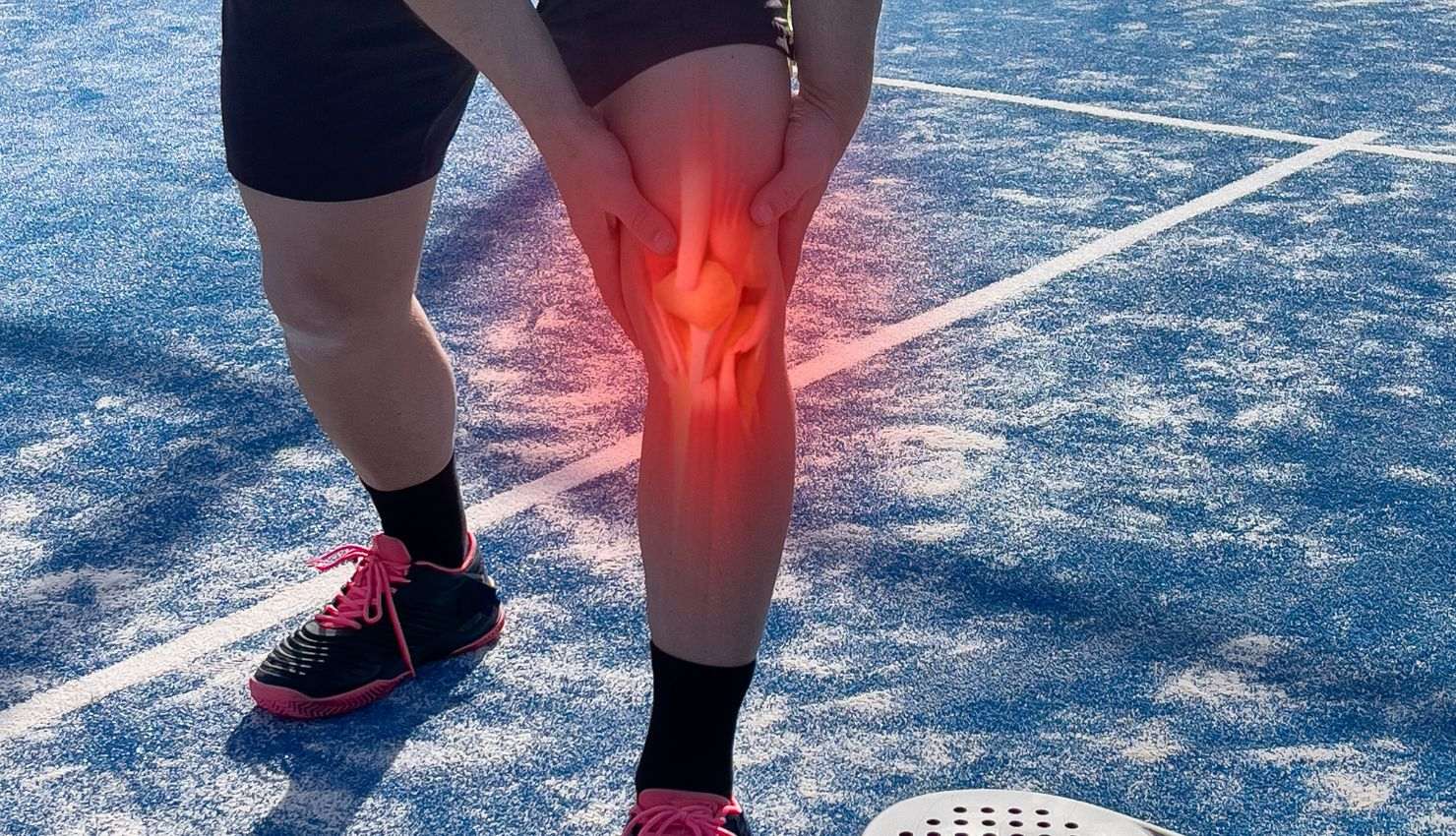
Musculoskeletal pain, which affects the muscles, bones, ligaments, tendons, and other connective tissues, is common and can be caused by a variety of factors, including injuries, poor posture, overuse, or underlying conditions such as arthritis. The pain can range from mild to severe and can significantly affect daily life and mobility. Whether you’re dealing with acute injuries, chronic pain, or post-surgical rehabilitation, physiotherapy can help accelerate the healing process and manage pain effectively.
Physiotherapy employs a range of techniques that target the underlying causes of musculoskeletal pain, promoting faster healing, reducing inflammation, and improving function. Heres how physiotherapy can help you heal musculoskeletal pain faster:
### **1. Comprehensive Assessment and Diagnosis**
A thorough assessment is the foundation of effective physiotherapy treatment. A physiotherapist will assess the cause of your musculoskeletal pain, the severity of the injury, and its impact on your daily activities. This allows them to develop a personalized treatment plan focused on your specific needs.
#### **What Happens During the Assessment:**
* **Medical History**: The physiotherapist will ask about your symptoms, lifestyle, activity level, and any previous injuries or health conditions that may be contributing to the pain.
* **Physical Examination**: The physiotherapist will check for signs of swelling, tenderness, deformities, or muscle weakness. They will assess your range of motion (ROM), strength, flexibility, and posture to pinpoint any imbalances or dysfunctions.
* **Movement Analysis**: The physiotherapist may observe how you move during functional tasks like walking, bending, or lifting to understand how your body mechanics might be contributing to pain or dysfunction.
Once the assessment is complete, the physiotherapist will design a treatment plan to address the pain and optimize healing.
—
### **2. Pain Management Techniques**
Reducing pain is an essential step in the healing process. Physiotherapists use various pain management techniques to provide relief, allowing you to engage more comfortably in exercises and activities that promote recovery.
#### **How Physiotherapists Manage Pain:**
* **Cold Therapy (Cryotherapy)**: Cold compresses or ice packs are applied to reduce swelling, inflammation, and pain, especially in the acute phase of injury. Cold therapy is particularly effective during the first 48 hours following an injury.
* **Heat Therapy**: Heat therapy helps relax tight muscles and improve blood circulation, making it effective for chronic pain or muscle tension. It can be applied with hot packs, heating pads, or warm baths.
* **TENS (Transcutaneous Electrical Nerve Stimulation)**: TENS units use electrical pulses to stimulate the nerves and block pain signals, providing relief from musculoskeletal pain without the need for medication.
* **Ultrasound Therapy**: Therapeutic ultrasound uses sound waves to penetrate deep into tissues, promoting blood flow, reducing inflammation, and enhancing tissue healing, which is beneficial for soft tissue injuries.
These modalities help reduce pain and discomfort, creating a favorable environment for healing.
—
### **3. Manual Therapy**
Manual therapy techniques are effective in improving joint mobility, reducing muscle tension, and enhancing circulation, all of which contribute to faster healing. These hands-on techniques are particularly useful for conditions like joint pain, muscle strains, or ligament injuries.
#### **How Physiotherapists Use Manual Therapy:**
* **Soft Tissue Mobilization**: Physiotherapists use massage techniques to reduce muscle tightness, relieve muscle spasms, and promote relaxation in the affected area. This helps reduce pain and improve flexibility.
* **Joint Mobilization**: If your musculoskeletal pain is caused by restricted joint movement, physiotherapists can use gentle, controlled movements to restore mobility and alleviate stiffness, reducing pain.
* **Myofascial Release**: This technique targets tight muscles and fascia (connective tissue surrounding muscles) to relieve pressure and tension, which helps improve flexibility and reduce pain.
Manual therapy helps restore proper movement, improve circulation, and reduce muscle tension, all of which contribute to faster recovery.
—
### **4. Strengthening and Rehabilitation Exercises**
Weak muscles or imbalances can exacerbate musculoskeletal pain, leading to a prolonged recovery. Physiotherapists use strengthening exercises to rebuild muscle strength, restore balance, and improve joint stability. This can reduce strain on the affected area and prevent future injury.
#### **How Strengthening Exercises Help Heal Musculoskeletal Pain:**
* **Targeted Strengthening**: Physiotherapists prescribe exercises to target the muscles surrounding the affected area. For example, strengthening the core muscles can help alleviate back pain, while strengthening the quadriceps can support knee joint stability.
* **Progressive Resistance**: Strengthening exercises are introduced gradually, starting with low resistance and progressing as the muscles become stronger. This ensures a safe and effective recovery without overloading the injured tissue.
* **Postural and Alignment Exercises**: Strengthening exercises also focus on improving posture and body mechanics. Poor posture can contribute to musculoskeletal pain, especially in the neck, back, and shoulders. Physiotherapists design exercises to improve posture, reducing strain on the muscles and joints.
Strengthening the muscles around the affected area helps improve stability, reduce strain, and prevent further injury, accelerating the healing process.
—
### **5. Stretching and Flexibility Training**
Tight muscles and tendons can limit mobility and contribute to musculoskeletal pain. Stretching exercises are essential for improving flexibility, restoring the range of motion (ROM), and relieving pain caused by muscle tightness or stiffness.
#### **How Stretching Helps with Musculoskeletal Pain:**
* **Improves Flexibility**: Physiotherapists prescribe targeted stretches to improve the length and flexibility of muscles, tendons, and ligaments. This helps reduce tightness and prevents future injuries.
* **Restores Range of Motion (ROM)**: Stretching exercises improve joint mobility and reduce stiffness, which is particularly helpful in conditions like arthritis, frozen shoulder, or sprained ankles.
* **Prevents Muscle Imbalances**: Stretching helps prevent muscle imbalances that can lead to pain. For example, tight hamstrings can contribute to low back pain, and stretching them helps maintain proper alignment.
Stretching helps increase muscle length, reduce stiffness, and improve movement, leading to reduced pain and faster recovery.
—
### **6. Postural and Movement Correction**
Poor posture or dysfunctional movement patterns can contribute to musculoskeletal pain, especially in the back, neck, or hips. Physiotherapists assess and correct these issues to prevent pain from recurring and to improve overall body mechanics.
#### **How Physiotherapists Correct Posture and Movement:**
* **Postural Education**: Physiotherapists teach patients how to maintain proper posture during daily activities such as sitting, standing, walking, or lifting. Proper posture reduces strain on muscles and joints, which helps alleviate pain.
* **Movement Retraining**: Physiotherapists assess your movements during functional tasks and identify any abnormal patterns, such as overuse of certain muscles or compensatory movements. They provide exercises and cues to improve movement efficiency and reduce strain on the affected tissues.
* **Ergonomics**: Physiotherapists also recommend ergonomic adjustments to workstations, tools, or activities to minimize repetitive strain and reduce discomfort.
By improving posture and movement mechanics, physiotherapists help prevent pain from returning and optimize the healing process.
—
### **7. Education on Self-Care and Lifestyle Modifications**
Physiotherapists provide valuable education on self-care techniques and lifestyle changes that can support faster healing and prevent future injuries.
#### **Self-Care Strategies:**
* **Activity Modification**: Physiotherapists advise on how to modify activities to avoid aggravating the injured area while still staying active. This might include using assistive devices, reducing intensity, or substituting high-impact activities with low-impact exercises.
* **Rest and Recovery**: Rest is essential for healing, but physiotherapists guide individuals on how to balance rest with activity, avoiding overuse while promoting recovery.
* **Pain Management**: Physiotherapists teach patients how to manage pain at home using techniques like ice/heat therapy, elevation, and proper sleep habits to facilitate recovery.
* **Preventive Strategies**: Physiotherapists recommend exercises and strategies to prevent future musculoskeletal pain, such as strengthening exercises, flexibility routines, and regular body movements.
Education on self-care helps individuals take an active role in their healing and long-term health.
—
### **8. Long-Term Maintenance and Injury Prevention**
Once musculoskeletal pain is under control and healing has progressed, physiotherapy focuses on long-term maintenance to ensure that the injury doesnt reoccur and to prevent future pain.
#### **How Physiotherapy Prevents Future Injuries:**
* **Ongoing Strengthening and Flexibility**: Physiotherapists recommend continuing with a program of strengthening and stretching exercises to maintain muscle health, joint mobility, and flexibility, reducing the risk of re-injury.
* **Lifestyle and Activity Recommendations**: Physiotherapists provide guidance on maintaining a healthy lifestyle that includes regular exercise, proper ergonomics, and attention to body mechanics during sports or daily activities.
* **Prevention Programs**: Physiotherapists may develop customized injury prevention programs based on your activity level and goals, such as sports-specific training, posture correction, and balance exercises.
Ongoing physiotherapy ensures that the body remains strong, flexible, and resilient, preventing future injuries and promoting long-term health.
—
### **Conclusion**
Physiotherapy is a comprehensive approach to healing musculoskeletal pain, offering both short-term relief and long-term benefits. Through pain management, manual therapy, strengthening exercises, stretching, postural correction, and education, physiotherapists help individuals recover from musculoskeletal injuries, reduce pain, and return to their normal activities more quickly. Whether youre dealing with an acute injury or managing chronic pain, physiotherapy plays a key role in promoting healing, preventing future injuries, and restoring overall mobility and function. If you’re struggling with musculoskeletal pain, consulting a physiotherapist can accelerate your recovery and improve your quality of life.