Pain, whether due to injury, chronic conditions, or musculoskeletal disorders, can severely limit mobility and daily function. Physiotherapists often use stretching and strengthening techniques to help manage pain, promote healing, and restore normal movement patterns.

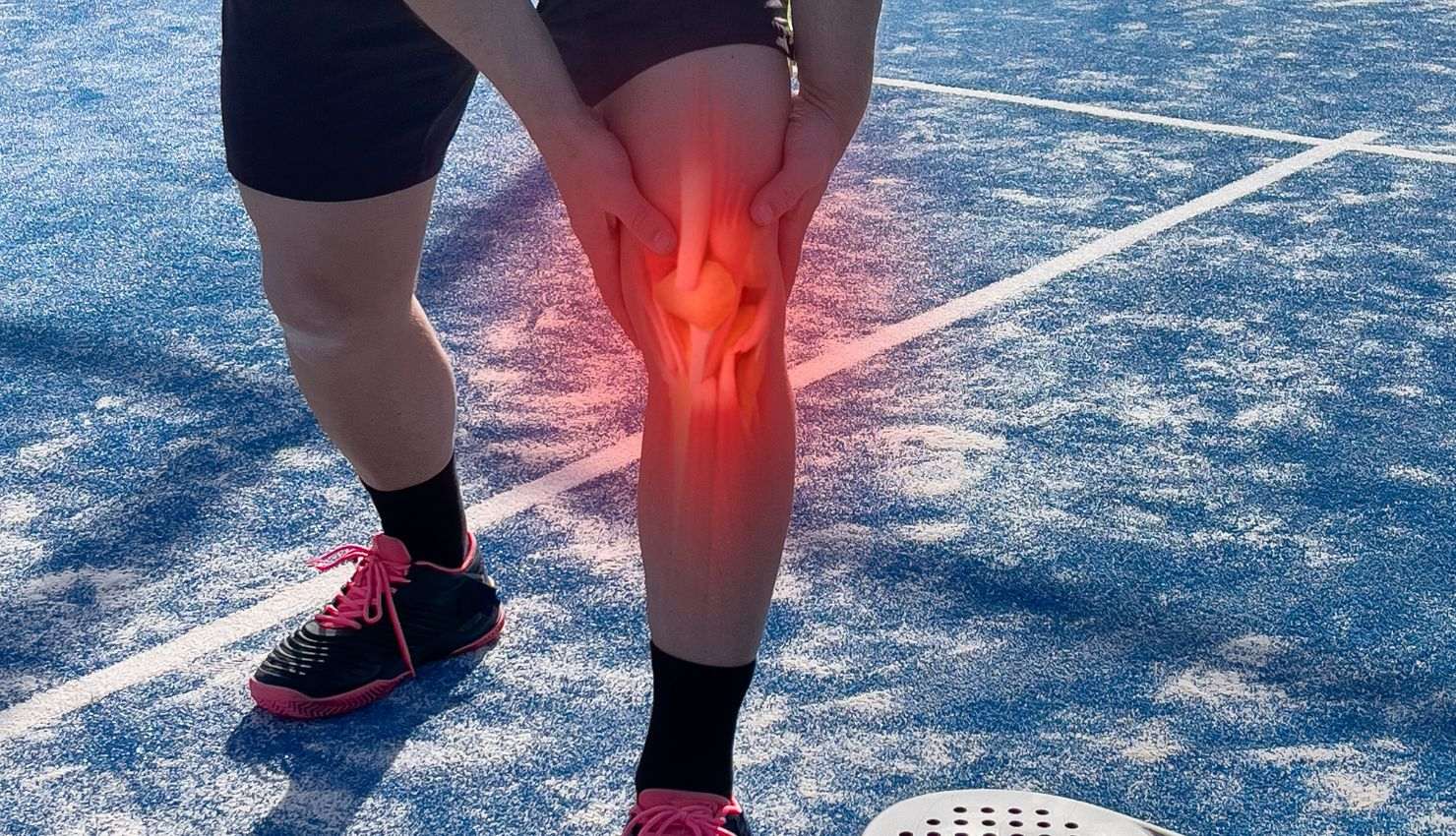
Pain, whether due to injury, chronic conditions, or musculoskeletal disorders, can severely limit mobility and daily function. Physiotherapists often use stretching and strengthening techniques to help manage pain, promote healing, and restore normal movement patterns. These two methods work together to not only reduce pain but also prevent further injury, enhance flexibility, and improve strength and function.
Heres how physiotherapists use stretching and strengthening exercises in pain management:
### **1. Stretching for Pain Management**
Stretching involves elongating muscles, tendons, and connective tissues to improve flexibility and range of motion (ROM). It helps relieve muscle tightness, restore joint mobility, and alleviate discomfort caused by tight muscles, spasms, or imbalances. Stretching is especially useful for managing pain caused by muscle tension, joint stiffness, or conditions like arthritis and fibromyalgia.
#### **How Physiotherapists Use Stretching for Pain Relief:**
* **Reducing Muscle Tightness**: Tight muscles contribute to pain and discomfort, especially in conditions like low back pain, neck pain, or shoulder stiffness. Physiotherapists guide patients through targeted stretching exercises to release tension in the affected muscles. For example, stretching the hamstrings can relieve lower back pain caused by muscle tightness.
* **Improving Joint Range of Motion (ROM)**: In conditions such as arthritis or after an injury, joint stiffness can cause significant pain and limit movement. Physiotherapists use gentle, controlled stretching exercises to improve ROM in the affected joint, helping to restore normal movement and reduce pain during activity.
* **Preventing Muscle Imbalances**: Chronic pain often results from muscle imbalances, where some muscles become too tight while others weaken. Stretching can help address these imbalances by improving flexibility in tight muscles, allowing them to function better in relation to their opposing muscles. For instance, in shoulder impingement syndrome, stretching the chest and upper back muscles can help improve posture and reduce pain.
* **Relieving Nerve Compression**: Tight muscles or joints can sometimes compress nerves, leading to pain radiating down the arms, legs, or back. Stretching techniques, such as nerve gliding exercises, can help reduce nerve compression and alleviate associated pain, as in sciatica or carpal tunnel syndrome.
* **Enhancing Circulation and Tissue Healing**: Stretching promotes blood flow to the muscles, ligaments, and tendons, delivering oxygen and nutrients that are necessary for healing. Improved circulation also helps flush out metabolic waste products that may contribute to pain and stiffness.
#### **Examples of Stretching Techniques Used by Physiotherapists:**
* **Static Stretching**: This involves holding a stretch for a specific period (usually 1530 seconds) to target tight muscles and improve flexibility.
* **Dynamic Stretching**: This involves controlled movement stretches, which are useful before engaging in physical activity to prepare muscles and joints for movement.
* **PNF (Proprioceptive Neuromuscular Facilitation) Stretching**: A more advanced stretching technique that involves contracting and relaxing the muscles before stretching them further. This is effective for increasing flexibility and ROM.
* **Self-Myofascial Release (Foam Rolling)**: A technique where a person uses a foam roller to apply pressure to specific muscle groups, releasing fascia and reducing muscle tightness.
—
### **2. Strengthening for Pain Management**
Strengthening exercises help build muscle support, improve stability, and reduce the strain on affected joints and tissues. By targeting weak muscles and restoring strength, physiotherapists help prevent the overuse of certain muscles, reduce stress on the joints, and promote faster recovery from injury or pain.
#### **How Physiotherapists Use Strengthening Exercises for Pain Relief:**
* **Improving Joint Stability**: Weak muscles surrounding a joint can lead to instability, which can cause pain during movement or activity. Strengthening the muscles that support the joint helps improve stability, protect the joint from further injury, and reduce pain. For example, strengthening the quadriceps in individuals with knee osteoarthritis helps reduce the stress on the knee joint, relieving pain and improving function.
* **Reducing Load on Injured Areas**: Strengthening exercises help distribute the load more evenly across the body, reducing the stress placed on specific muscles or joints. In conditions like tendonitis, strengthening the surrounding muscles can take the load off the inflamed tendon, promoting healing and reducing pain.
* **Correcting Muscle Imbalances**: Muscle imbalances can contribute to pain and dysfunction. For example, weak glutes can lead to low back pain, while weak hip abductors can contribute to knee pain. Physiotherapists design strengthening exercises to target these weak muscles and restore balance, reducing pain and improving function.
* **Improving Posture and Alignment**: Strengthening key muscle groups, such as the core and upper back, helps improve posture and alignment, reducing the strain on muscles and joints. Poor posture is a common cause of chronic pain, especially in the neck, shoulders, and back. By improving posture, strengthening exercises help alleviate pain caused by muscle tension and misalignment.
* **Enhancing Endurance and Function**: Strengthening exercises not only improve muscle strength but also enhance muscular endurance, allowing the muscles to perform longer without fatigue. This helps reduce the risk of injury and pain during physical activity and daily movements.
#### **Examples of Strengthening Techniques Used by Physiotherapists:**
* **Isometric Exercises**: These exercises involve contracting muscles without moving the joint (e.g., holding a plank position or pressing against a wall). Isometric exercises are effective for improving muscle strength without putting excessive strain on the injured area.
* **Progressive Resistance Training**: This involves gradually increasing the resistance (using weights, resistance bands, or machines) as the muscle becomes stronger. This is ideal for rebuilding strength in muscles weakened by injury or pain.
* **Core Strengthening**: Strengthening the muscles of the core, such as the abdominals, obliques, and lower back muscles, helps improve stability and posture, reducing pain in the back and other areas.
* **Functional Strengthening**: These exercises mimic everyday tasks or sports movements, helping the body regain functional strength and movement patterns. Examples include squatting, lunging, or lifting exercises that simulate real-world actions.
* **Closed-Chain Exercises**: These exercises involve movements where the hands or feet are in a fixed position (e.g., squats or push-ups). They are effective for strengthening weight-bearing muscles and improving joint stability.
—
### **3. Combining Stretching and Strengthening**
Stretching and strengthening go hand-in-hand in a comprehensive pain management approach. While stretching improves flexibility and reduces muscle tension, strengthening exercises help restore muscle function and support the joints.
#### **How Physiotherapists Combine Stretching and Strengthening:**
* **Restoring Balance and Function**: For optimal recovery, physiotherapists often combine stretching and strengthening in a structured program. Stretching helps increase flexibility and mobility, while strengthening exercises improve muscle support, making the body less susceptible to injury.
* **Progressive Rehabilitation**: In the early stages of recovery, physiotherapists may focus on stretching to alleviate muscle tightness and pain, gradually incorporating strengthening exercises as healing progresses. The combination of both approaches promotes a faster, more effective recovery.
* **Preventing Recurrence of Pain**: Once pain is alleviated, physiotherapists use strengthening exercises to prevent the injury from reoccurring by building muscle support and joint stability. Stretching helps maintain flexibility, preventing stiffness or tightness that could lead to future pain.
A well-rounded rehabilitation program that includes both stretching and strengthening can significantly reduce pain and improve overall function, allowing individuals to return to their normal activities without fear of re-injury.
—
### **4. Educational Component**
In addition to exercises, physiotherapists educate patients on how to maintain a pain-free lifestyle, including guidance on posture, body mechanics, and movement patterns.
#### **How Education Helps with Pain Management:**
* **Body Awareness**: Physiotherapists teach patients to recognize improper movement patterns that contribute to pain and how to make adjustments during daily tasks, work, and sports activities.
* **Ergonomics**: Physiotherapists provide ergonomic advice to prevent pain from recurring, such as adjusting workstation height or using proper lifting techniques to reduce strain on the body.
* **Self-Care**: Physiotherapists educate patients on how to use stretching, strengthening, and other self-care techniques at home to manage pain and prevent future injuries.
—
### **Conclusion**
Stretching and strengthening exercises are essential components of physiotherapy for pain management. Stretching improves flexibility, reduces muscle tension, and enhances joint mobility, while strengthening exercises build muscle support, stability, and endurance. Together, these techniques help alleviate pain, restore normal movement, and prevent future injuries. Physiotherapists tailor programs that combine both stretching and strengthening to address the specific causes of pain, accelerate recovery, and improve overall function. If you’re dealing with pain, consulting a physiotherapist for a personalized plan can provide long-term relief and help you regain a pain-free, active lifestyle.