Post-operative pain is a common experience following surgery, and it can vary significantly depending on the type of procedure, the individuals health, and the effectiveness of the recovery plan. While surgical procedures are performed to improve health and alleviate certain conditions, the recovery process often involves managing pain, reducing inflammation, and restoring mobility and strength.

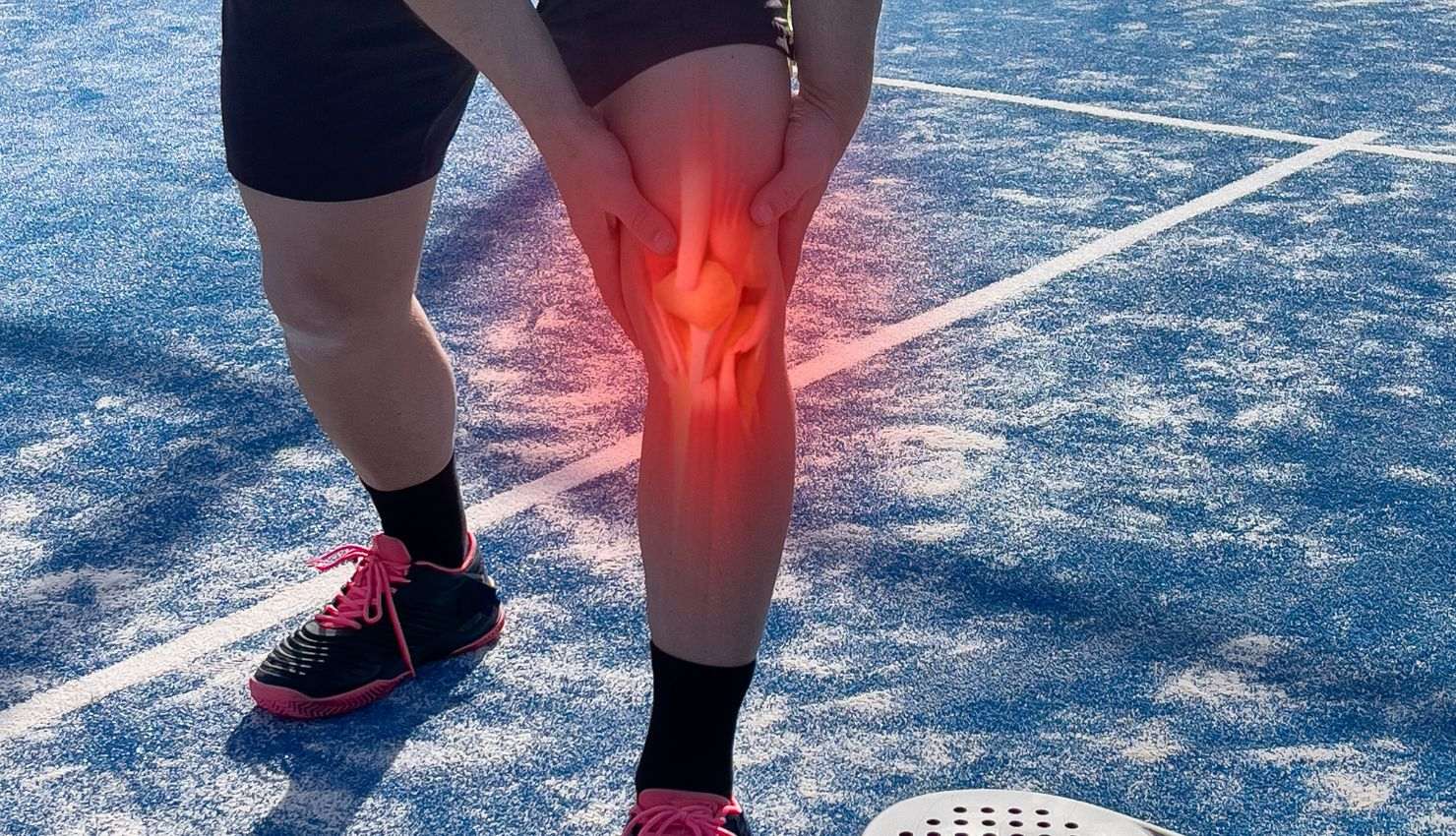
Post-operative pain is a common experience following surgery, and it can vary significantly depending on the type of procedure, the individuals health, and the effectiveness of the recovery plan. While surgical procedures are performed to improve health and alleviate certain conditions, the recovery process often involves managing pain, reducing inflammation, and restoring mobility and strength.
Physiotherapy plays a crucial role in post-operative care by helping to manage pain, improve function, and promote faster recovery. Through targeted rehabilitation exercises, manual therapy, pain management techniques, and education, physiotherapists can guide individuals through the recovery process, ensuring that they regain full functionality and prevent complications.
### **What is Post-Operative Pain?**
Post-operative pain occurs after surgery and is a natural part of the healing process. The pain can be caused by several factors, including:
* **Surgical trauma**: The procedure itself may cause tissue damage, leading to pain and inflammation.
* **Muscle stiffness or weakness**: After surgery, muscles may become weak or stiff due to reduced activity or immobility during recovery.
* **Inflammation**: Inflammation can occur in the area around the surgical site as the body repairs itself.
* **Scar tissue**: Scar tissue formation can lead to stiffness and discomfort as it heals.
This pain may be acute (lasting for a few days to weeks) or chronic (lasting for months or even longer). Managing and reducing this pain is a priority for improving mobility and overall recovery.
### **How Physiotherapy Helps Manage Post-Operative Pain**
Physiotherapy can help reduce post-operative pain and improve recovery outcomes by targeting the underlying causes of pain and guiding patients through their rehabilitation. Below are some of the key ways physiotherapy helps manage post-surgical pain:
—
### **1. Pain Relief Techniques**
Physiotherapists use various pain-relief modalities to manage discomfort during the recovery phase. These treatments help control pain without the need for heavy reliance on medications.
#### **How Physiotherapists Use Pain Relief Techniques:**
* **Cold Therapy (Cryotherapy)**: Ice packs are often used during the first 48 hours after surgery to reduce swelling and numb the area, helping to control inflammation and relieve acute pain.
* **Heat Therapy**: After the initial swelling has reduced, heat can be applied to relax tight muscles and improve blood flow to the area, aiding in the healing process and reducing chronic pain.
* **Transcutaneous Electrical Nerve Stimulation (TENS)**: TENS therapy involves the use of electrical impulses to block pain signals, helping to manage pain and stimulate the release of natural painkillers (endorphins).
* **Ultrasound Therapy**: Therapeutic ultrasound uses sound waves to increase blood flow, reduce inflammation, and promote tissue healing, which is especially helpful for soft tissue recovery post-surgery.
These techniques allow patients to experience pain relief, making it easier to engage in rehabilitation exercises and accelerate recovery.
—
### **2. Manual Therapy and Joint Mobilization**
Manual therapy involves hands-on techniques used by physiotherapists to manipulate soft tissues and joints. These techniques are effective for alleviating pain, reducing stiffness, and improving function after surgery.
#### **How Physiotherapists Use Manual Therapy:**
* **Soft Tissue Mobilization**: Physiotherapists use massage and myofascial release techniques to alleviate muscle tension and improve circulation, helping reduce pain and tightness in the muscles and fascia surrounding the surgical site.
* **Joint Mobilization**: Gentle joint mobilization techniques are used to improve the range of motion (ROM) in joints that have become stiff or immobile following surgery. This is particularly useful after procedures such as joint replacements or ligament repair.
* **Scar Tissue Management**: After surgery, scar tissue can form, causing stiffness and discomfort. Physiotherapists use techniques like deep friction massage to break down scar tissue and improve mobility in the affected area.
Manual therapy helps reduce discomfort, enhance tissue flexibility, and restore normal movement, which can alleviate post-operative pain and improve functional outcomes.
—
### **3. Restoring Mobility and Range of Motion (ROM)**
After surgery, the affected joint or body part may become stiff or immobile, which can contribute to pain. Physiotherapists help restore joint and muscle mobility through gentle exercises and stretches designed to improve ROM.
#### **How Physiotherapists Improve Mobility:**
* **Passive and Active Range of Motion (ROM) Exercises**: Physiotherapists guide patients through exercises that gently move the surgical site through its full range of motion. These exercises help reduce stiffness and improve joint flexibility, reducing pain and enhancing function.
* **Stretching**: Targeted stretching exercises are used to lengthen tight muscles and improve flexibility, helping to relieve discomfort and prevent muscle imbalances from developing during recovery.
* **Functional ROM Training**: Physiotherapists incorporate movements that simulate daily activities (such as bending, walking, or lifting) to restore functional ROM and allow the patient to return to normal activities with less pain.
Restoring mobility and ROM is crucial for reducing post-operative pain, improving movement efficiency, and facilitating a faster return to normal life.
—
### **4. Strengthening Exercises**
Following surgery, the muscles surrounding the affected area may weaken due to immobility or pain. Strengthening exercises are essential to rebuilding muscle strength, improving stability, and reducing post-operative pain.
#### **How Physiotherapists Use Strengthening Exercises:**
* **Targeted Strengthening**: Physiotherapists design specific exercises to strengthen the muscles surrounding the surgical site. For example, after knee surgery, strengthening the quadriceps can help reduce pain, improve knee stability, and support healing.
* **Progressive Resistance**: Strengthening exercises are gradually increased in intensity to avoid overloading the healing tissues. This helps to build strength without exacerbating pain or causing re-injury.
* **Functional Strengthening**: Physiotherapists focus on strengthening the muscles required for everyday activities. This includes exercises that mimic actions such as squatting, walking, or lifting, which help reduce pain and restore function.
By strengthening muscles, physiotherapists provide support to the surgical site, reduce strain on the affected area, and promote faster recovery with less pain.
—
### **5. Postural Correction and Ergonomics**
After surgery, patients may adopt altered or protective postures to avoid pain, which can lead to muscle imbalances and further discomfort. Physiotherapists educate patients on maintaining proper posture and ergonomics to reduce unnecessary strain and avoid re-injury.
#### **How Physiotherapists Address Posture and Ergonomics:**
* **Postural Education**: Physiotherapists teach patients how to maintain good posture, especially during sitting, standing, or walking. Proper posture reduces stress on the muscles, joints, and surgical site, helping to prevent pain and improve function.
* **Ergonomic Adjustments**: Physiotherapists make recommendations to adjust daily activities or work environments. For example, adjusting the height of a workstation or teaching proper lifting techniques can help reduce strain on the body, alleviate post-operative pain, and promote healing.
* **Movement Re-education**: Physiotherapists also help patients re-learn how to move safely and efficiently post-surgery. They may recommend modifications to movements or suggest adaptive techniques that minimize strain on the surgical area.
Proper posture and ergonomics play a significant role in managing post-operative pain, preventing compensatory injuries, and improving overall recovery.
—
### **6. Education and Self-Management Strategies**
Physiotherapists empower patients to take an active role in their recovery by providing education and self-management tools. This helps individuals manage pain independently and make informed decisions about their rehabilitation.
#### **How Physiotherapy Provides Self-Management Tools:**
* **Home Exercise Program**: Physiotherapists provide personalized exercises that patients can do at home to continue their rehabilitation. These exercises are tailored to the patients progress and focus on strengthening, stretching, and mobility.
* **Pain Management Techniques**: Physiotherapists educate patients on how to use techniques like ice, heat, and TENS therapy at home to manage pain effectively. They also provide guidance on activity modification to prevent overuse or re-injury.
* **Lifestyle Advice**: Physiotherapists may offer advice on lifestyle factors such as nutrition, hydration, sleep hygiene, and stress management, all of which play a role in the healing process.
Self-management strategies help patients take control of their recovery, reduce pain, and achieve better long-term outcomes.
—
### **7. Long-Term Recovery and Injury Prevention**
Once the initial post-operative pain has been managed, physiotherapists focus on long-term recovery and preventing future injuries. By maintaining strength, flexibility, and joint stability, physiotherapy helps patients achieve lasting pain relief and function.
#### **How Physiotherapists Support Long-Term Recovery:**
* **Maintenance Programs**: Physiotherapists provide ongoing exercise programs to maintain muscle strength, joint mobility, and flexibility. Regular exercise helps to prevent the recurrence of pain and supports overall health.
* **Lifestyle Modifications**: Physiotherapists offer advice on adopting a healthy lifestyle, including proper nutrition, regular physical activity, and weight management, to support the bodys long-term health and reduce the risk of future pain or injury.
* **Preventive Strategies**: Physiotherapists help patients prevent future injury by identifying risk factors and offering strategies to minimize stress on the body. This can include posture correction, ergonomic adjustments, and teaching proper body mechanics during daily activities.
Long-term rehabilitation and preventive care ensure that post-surgical pain is minimized, and the individual can return to their normal activities with confidence.
—
### **Conclusion**
Physiotherapy is an essential component of post-surgery recovery, offering a holistic approach to pain management, rehabilitation, and long-term recovery. Through pain relief techniques, joint mobilization, strengthening exercises, postural correction, and education, physiotherapists help individuals manage post-operative pain, restore mobility, and prevent future injuries. By working with a physiotherapist, patients can experience faster recovery, improved function, and reduced pain, allowing them to return to their daily lives with greater ease and confidence. If you’re recovering from surgery, consulting a physiotherapist can significantly enhance your recovery process and support your long-term well-being.