Injuries can occur at any stage of life, often impacting daily activities and quality of life. Fortunately, physiotherapy offers a wide range of techniques and strategies to both prevent injuries and effectively manage pain.

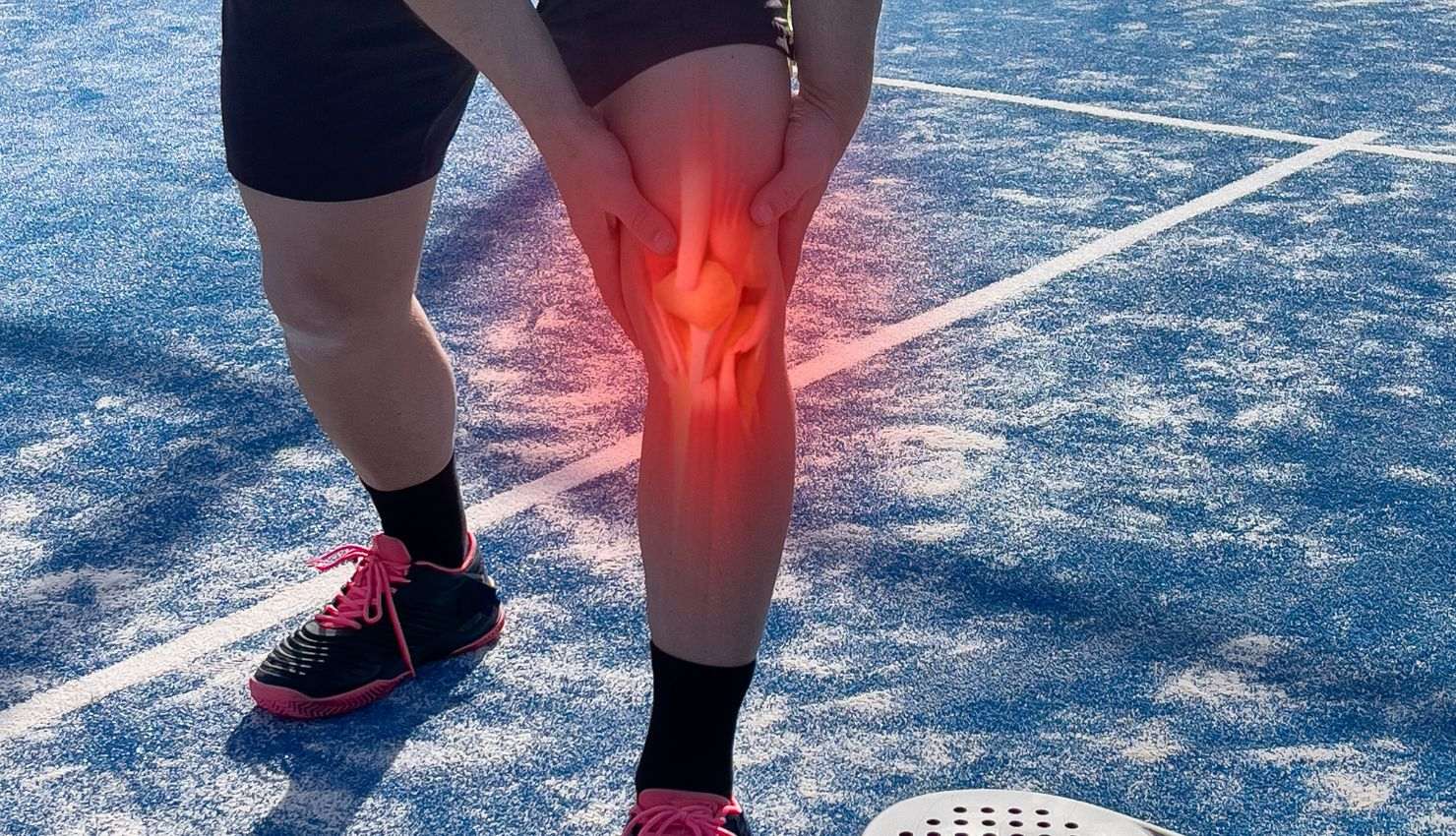
Injuries can occur at any stage of life, often impacting daily activities and quality of life. Fortunately, physiotherapy offers a wide range of techniques and strategies to both prevent injuries and effectively manage pain. Here are some key tips for preventing injuries and managing pain through physiotherapy:
### 1. **Start with a Comprehensive Assessment**
Before beginning any exercise program or physical activity, its important to assess your bodys strengths, weaknesses, and potential risks for injury. Physiotherapists can conduct a thorough evaluation, including posture analysis, movement patterns, and strength assessment.
* **Benefit**: A proper assessment helps identify potential risk factors and provides the foundation for a tailored injury prevention or pain management plan.
### 2. **Incorporate a Proper Warm-Up Routine**
Warming up before any physical activity is essential to prevent injuries, especially muscle strains and joint sprains. A physiotherapist can teach you the best warm-up exercises tailored to your activity level and needs.
* **How it works**: A warm-up increases blood flow to muscles, improves flexibility, and enhances coordination, making it less likely for muscles and joints to get injured.
* **Suggested warm-up exercises**: Gentle cardio (e.g., walking or cycling), followed by dynamic stretches that target the muscles you plan to use.
### 3. **Strengthen Your Core Muscles**
The core is the foundation of nearly all movements, and having a strong core helps protect your back and prevent injury in other parts of the body. Physiotherapists often focus on core strengthening exercises, including the abdominals, back, and pelvic floor muscles.
* **How it works**: A strong core helps with posture, balance, and overall body stability, making it easier to perform everyday tasks and reducing strain on other joints.
* **Example exercises**: Planks, bridges, and pelvic tilts.
### 4. **Use Correct Posture**
Poor posture is a leading cause of chronic pain and injury, especially in the back, neck, and shoulders. Physiotherapists assess your posture and provide specific advice on how to sit, stand, and move to avoid putting unnecessary strain on your joints and muscles.
* **How it works**: Correct posture ensures that the body is aligned properly, which prevents uneven stress on muscles and joints, reducing the risk of pain and injury.
* **Suggestions**: Maintain a neutral spine while sitting and standing, keep shoulders relaxed and aligned, and avoid slouching.
### 5. **Progress Slowly with Physical Activity**
Whether you’re starting a new workout routine or increasing the intensity of your current exercise regimen, its important to progress gradually to avoid overloading your muscles and joints. A physiotherapist can help you design a workout plan that progresses at a safe and manageable pace.
* **How it works**: Gradually increasing the intensity of exercises allows the body to adapt, reducing the risk of overuse injuries like tendinitis, stress fractures, and muscle strains.
* **Tip**: Aim for gradual increases in duration, intensity, and frequency to prevent overexertion.
### 6. **Practice Proper Lifting Techniques**
Lifting heavy objects incorrectly is a common cause of musculoskeletal injuries, especially in the lower back. Physiotherapists teach safe lifting techniques that involve using the legs and not the back to lift heavy items.
* **How it works**: Proper lifting techniques reduce the risk of straining the back, shoulders, or knees during daily tasks.
* **Correct lifting steps**: Bend your knees, keep the load close to your body, and use your legs to liftnot your back. Avoid twisting while lifting.
### 7. **Stretch Regularly to Maintain Flexibility**
Tight muscles and limited flexibility can increase the likelihood of injury. Physiotherapists incorporate stretches into their treatment plans to maintain or improve range of motion and flexibility, which helps prevent muscle strains.
* **How it works**: Stretching increases the length of muscles and the flexibility of joints, making it easier to move without discomfort and reducing the risk of muscle injuries.
* **Example stretches**: Hamstring stretches, calf stretches, shoulder stretches, and hip flexor stretches.
### 8. **Incorporate Balance and Stability Training**
Balance exercises are essential for preventing falls and injuries, especially as we age. A physiotherapist can guide you in exercises that improve coordination, balance, and stability.
* **How it works**: Improving balance strengthens the stabilizing muscles around joints, which reduces the likelihood of falls and joint instability.
* **Example exercises**: Single-leg stands, heel-to-toe walking, and exercises on an unstable surface like a balance board or stability ball.
### 9. **Address Muscle Imbalances**
Muscle imbalances, where one muscle group is stronger than the opposing muscle group, can lead to pain and injury. For example, weak core or glute muscles can contribute to back pain, while imbalanced quadriceps and hamstrings can lead to knee pain.
* **How it works**: A physiotherapist can design a program to target weak muscle groups and restore balance between opposing muscle groups, helping to prevent compensatory injuries.
* **Example exercises**: Strengthening weak muscles while stretching tight or overactive muscles, such as strengthening the hamstrings if the quadriceps are overactive.
### 10. **Pain Management Through Modalities**
In cases of ongoing pain, physiotherapists use various modalities to manage discomfort. These can include:
* **Heat and Cold Therapy**: Cold packs reduce inflammation, while heat can relax tight muscles and improve circulation.
* **Electrotherapy**: Techniques like TENS (Transcutaneous Electrical Nerve Stimulation) help block pain signals and promote healing.
* **Manual Therapy**: This includes joint mobilization and soft tissue manipulation to release tension and improve joint function.
* **How it works**: These methods provide relief from acute or chronic pain, reduce inflammation, and speed up the healing process.
* **Benefit**: Modalities provide a non-invasive way to manage pain without the need for medications.
### 11. **Active Rest and Recovery**
Taking proper rest days and incorporating active recovery (such as light stretching or walking) into your routine can help prevent overuse injuries and promote healing.
* **How it works**: Recovery allows muscles and tissues to repair themselves, reducing the risk of overtraining injuries.
* **Tip**: Listen to your bodyif you experience persistent pain, its important to rest and seek guidance from a physiotherapist.
### 12. **Footwear and Orthotics**
Wearing the right shoes can prevent many common injuries, such as those related to running or standing for long periods. Poor footwear can lead to joint pain, knee issues, or problems with posture.
* **How it works**: A physiotherapist can assess your gait and recommend appropriate footwear or custom orthotics (shoe inserts) to address issues like flat feet, overpronation, or poor arch support.
* **Benefit**: Proper footwear or orthotics improve alignment and reduce the stress placed on joints.
### Conclusion
Physiotherapy plays a vital role in preventing injuries and managing pain, promoting healing, and improving long-term physical health. By incorporating preventative strategies such as proper posture, strengthening exercises, stretching, and balance training into your daily routine, you can significantly reduce the risk of injury. For those already dealing with pain, physiotherapy provides a holistic, non-invasive approach to managing discomfort, improving function, and getting back to an active lifestyle. If you’re dealing with pain or looking to prevent future injuries, consulting a physiotherapist can help guide you toward a healthier, pain-free life.