Whether you’re a runner, weekend warrior, or someone who just started a new workout routine, you might have felt it that nagging ache or sharp sting at the back of your heel. Yep, thats your Achilles tendon speaking up.

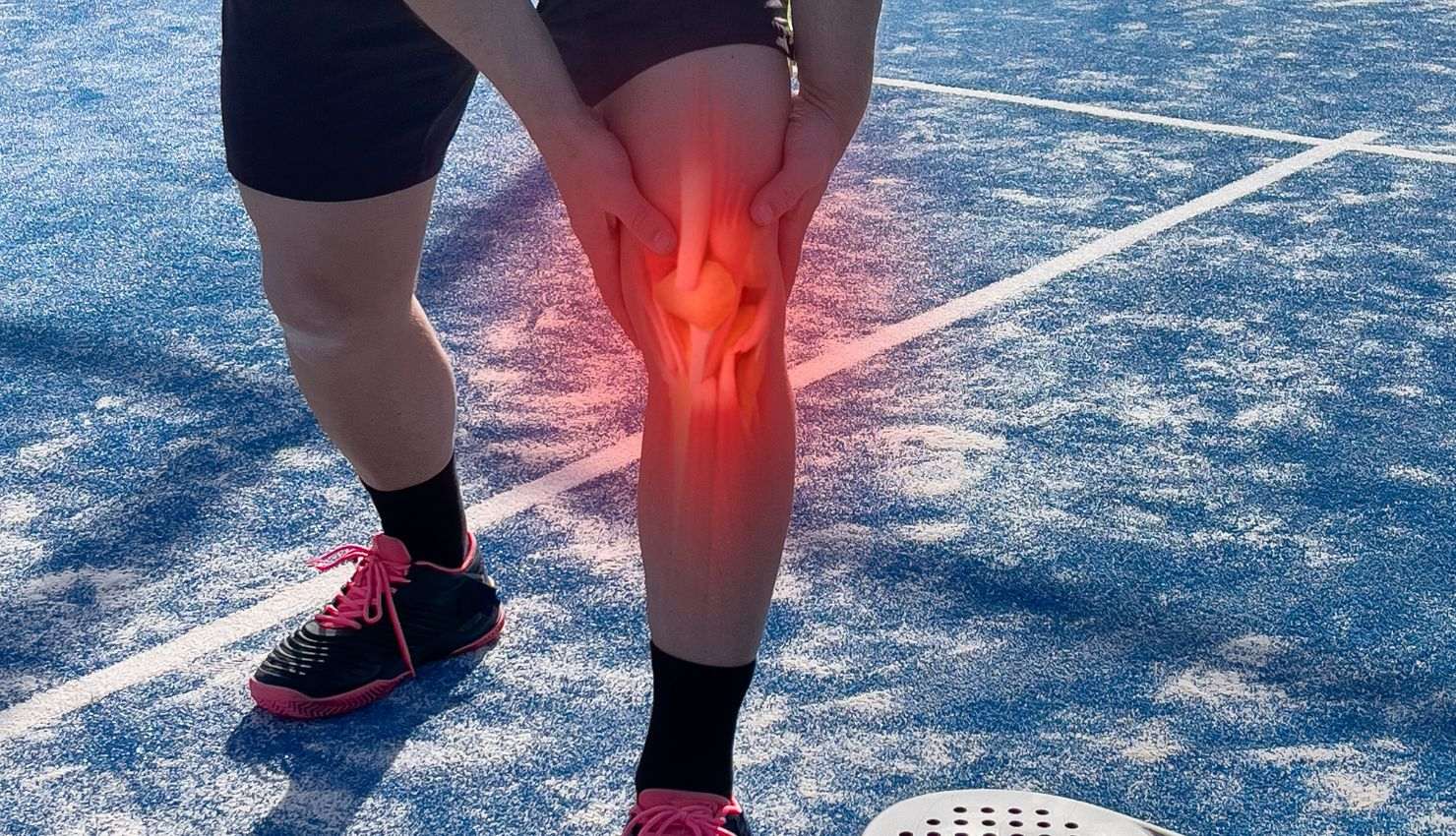
Whether you’re a runner, weekend warrior, or someone who just started a new workout routine, you might have felt it that nagging ache or sharp sting at the back of your heel. Yep, thats your Achilles tendon speaking up. And when its inflamed or irritated, it can seriously slow you down.
The Achilles tendon is the largest tendon in your body, connecting your calf muscles to your heel bone. It plays a huge role in walking, running, jumping basically, any time your foot pushes off the ground. So when it starts to hurt, you feel it everywhere.
The good news? Physiotherapy can help both prevent and treat Achilles tendon pain. Lets dive into how it works.
?? What Causes Achilles Tendon Pain?
Achilles tendon pain is often due to overuse or strain. Here are a few common culprits:
Sudden increase in physical activity (like running longer distances too soon)
Tight calf muscles
Poor footwear or unsupportive shoes
Flat feet or high arches
Improper warm-up or cool-down
Repetitive stress from running, jumping, or climbing stairs
The most common conditions are:
Achilles tendinitis inflammation of the tendon
Achilles tendinosis degeneration from long-term wear and tear
Partial tears or ruptures more serious, often requiring surgery and rehab
?? Step 1: Physiotherapy Assessment
The first step is a full evaluation by a physiotherapist. Theyll assess:
Your pain location and intensity
Gait and walking/running patterns
Calf flexibility and strength
Ankle mobility
Biomechanics (how your foot and leg move together)
This gives them a full picture of what’s going on and how to tailor your treatment plan.
?? How Physiotherapy Treats Achilles Tendon Pain
Lets break it down:
? 1. Load Management
This might mean temporarily reducing your activity level (dont worry, its not forever!). The key is giving the tendon time to calm down without stopping movement entirely. Your physio will help guide a balanced activity plan that keeps you healing without going backward.
? 2. Eccentric Strengthening
This is the gold standard for Achilles rehab. Eccentric exercises where the muscle lengthens under tension have been shown to:
Strengthen the tendon
Improve its structure
Reduce pain over time
A classic example? Heel drops off a step, slowly lowering your heel with control. Your physiotherapist will coach you through these safely and progressively.
? 3. Manual Therapy
If your calf muscles are tight or your ankle joint is stiff, your therapist might use hands-on techniques like:
Soft tissue massage
Trigger point release
Ankle joint mobilizations
These help relieve pressure on the tendon and improve mobility.
? 4. Stretching and Flexibility Work
Tight calves are a huge contributor to Achilles pain. Gentle, targeted stretching can improve flexibility in the:
Gastrocnemius (upper calf muscle)
Soleus (lower calf muscle)
Plantar fascia (bottom of the foot)
The right stretch, done the right way, can make a world of difference.
? 5. Modalities to Reduce Pain
To speed up healing and reduce discomfort, your therapist might use:
Ice therapy
Ultrasound
Shockwave therapy (for chronic cases)
Taping for support
These are typically used alongside movement-based treatments not in place of them.
?? Prevention: How to Keep Achilles Pain From Coming Back
Once youre out of pain, the next step is keeping it that way. Your physiotherapist will give you a plan to:
Gradually return to sport or activity
Strengthen supporting muscles (hello, glutes and hamstrings!)
Improve foot biomechanics and posture
Choose the right footwear for your activity
Build flexibility into your daily routine
The goal isnt just recovery its resilience.
?? Bonus Tip: Dont Ignore the Early Signs
Achilles tendon issues often start as a dull ache or morning stiffness that loosens up with movement. Thats your bodys early warning system and its the perfect time to start physio. The earlier you catch it, the faster (and easier) the recovery.
In a Nutshell
Achilles tendon pain might be common, but its not something you have to just live with. Physiotherapy offers a structured, evidence-based path to healing with hands-on treatment, targeted exercises, and guidance every step of the way.
So whether youre looking to bounce back from pain or stay one step ahead of it, a physiotherapist can help you put your best foot forward pain-free.