When most people think of strength training, they picture lifting heavy weights at the gym or training for muscle definition. But heres the truth: strengthening your body isnt just about looking fit its one of the most powerful tools you have to prevent pain and injury in everyday life.

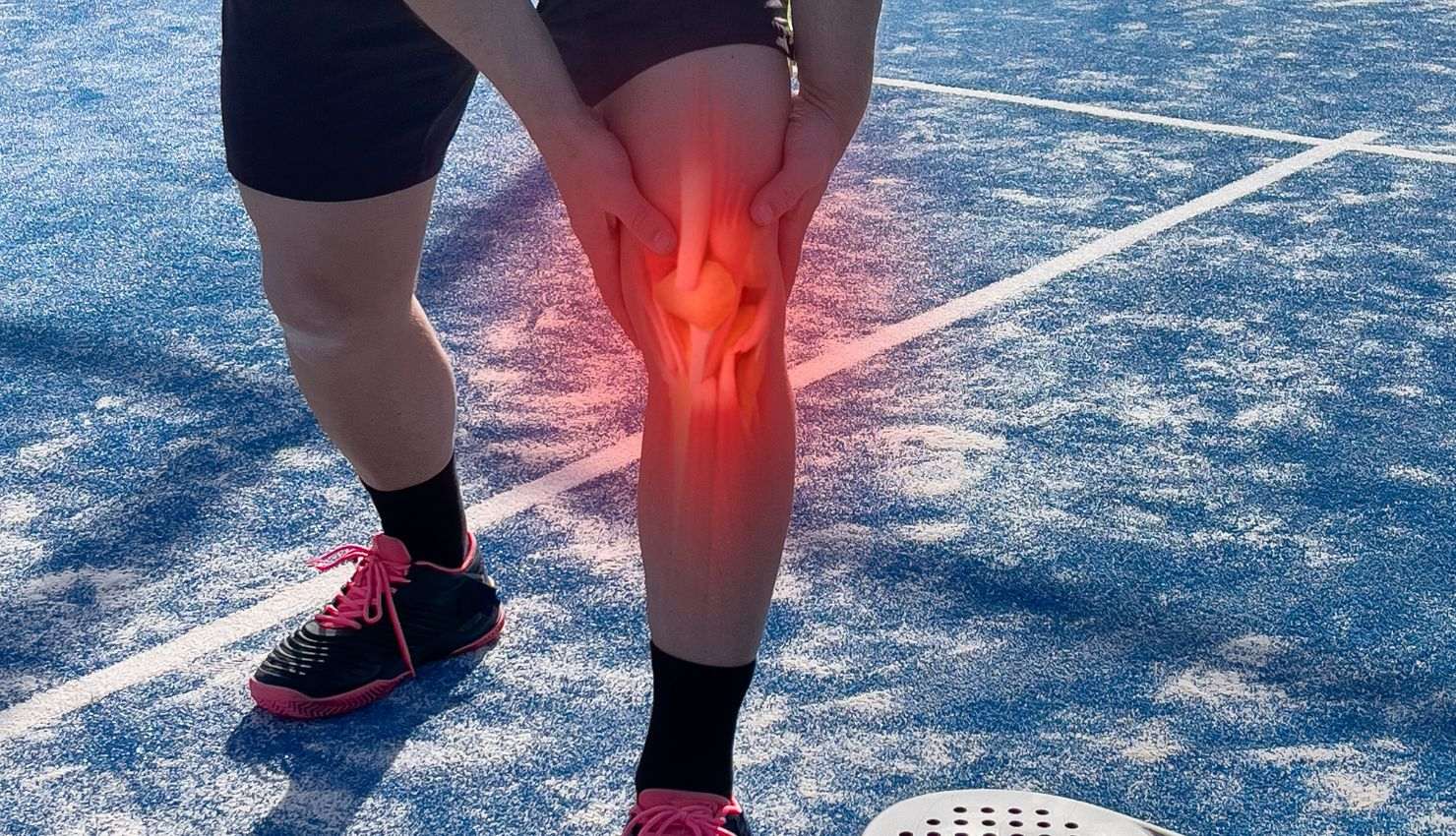
When most people think of strength training, they picture lifting heavy weights at the gym or training for muscle definition. But heres the truth: strengthening your body isnt just about looking fit its one of the most powerful tools you have to prevent pain and injury in everyday life.
Whether youre dealing with occasional aches or trying to avoid chronic pain down the road, building strength is one of the smartest things you can do for your body.
Lets dive into how strength training helps keep pain at bay and your body moving well for the long haul.
?? Strength = Stability
Strong muscles act like built-in support systems for your joints. When your muscles are weak, your joints are forced to pick up the slack and thats when strain, discomfort, and injuries happen.
By strengthening key muscle groups (especially around the core, hips, shoulders, and knees), you:
Improve alignment and posture
Reduce unnecessary pressure on your joints
Move more efficiently and safely
That means less risk of sprains, strains, and that all-too-common “my back just went out” moment.
?? Strong Muscles = Less Fatigue
Believe it or not, muscle fatigue can lead to pain especially if you’re doing repetitive tasks or sitting for long hours. When your muscles tire out quickly, other parts of your body start compensating, which can cause tightness, poor movement patterns, and overuse injuries.
By improving your muscular endurance, your body can handle daily activities from climbing stairs to carrying groceries without wearing out or breaking down.
?? Strength Training Helps Prevent Common Injuries
Heres just a glimpse at what strength can help protect you from:
Lower back pain by building core and hip stability
Knee pain by strengthening your quads, glutes, and hamstrings
Neck and shoulder tension by improving postural support muscles
Ankle sprains by reinforcing balance and lower leg strength
Falls and fractures by building better control, especially in older adults
Its not just about avoiding pain its about feeling confident and capable in your own body.
?? Strength Balances the Body
Most of us have muscle imbalances maybe your right side is stronger than your left, or your quads overpower your hamstrings. These imbalances can quietly lead to pain over time by pulling joints out of alignment or making one side of your body overwork.
Physiotherapists often use strength training to:
Correct asymmetries
Rebuild underused muscles
Support smoother, more balanced movement
When everything works together? Pain has a lot less room to sneak in.
?? Strength Training Improves Posture
Poor posture isnt just about how you look it can cause real discomfort, especially in the neck, back, and shoulders. Strengthening the right muscles (like your core, glutes, and upper back) helps you naturally maintain better alignment throughout the day even while sitting.
And better posture means:
Less muscle tension
Fewer headaches
Reduced strain on the spine and joints
?? Bonus Benefit: Strength Training Boosts Confidence
Its not just your body that gets stronger your mindset does too. When you feel strong, you tend to move more, sit less, and avoid the fear that often comes with pain or past injuries. Youre not just preventing pain youre taking back control of your physical health.
How to Get Started (No Gym Required!)
You dont need heavy weights or fancy machines. Strength training can be as simple as:
Bodyweight exercises (like squats, lunges, planks)
Resistance bands
Light dumbbells or kettlebells
Functional movements (like standing from a chair or carrying loads)
And if youre not sure where to begin, a physiotherapist can design a safe, personalized strength program that meets your needs and protects against pain.
In a Nutshell
Strengthening your body isnt just a workout its a long-term investment in pain prevention, mobility, and overall well-being. By building strength in the right areas, you help your body move better, last longer, and feel more resilient every day.
Because when your body is strong, pain has a much harder time finding its way in.