If youve recently had knee surgery whether it was a total knee replacement, ACL reconstruction, meniscus repair, or something else youve probably noticed that recovery doesnt stop once the operation is over. In fact, what you do after surgery is just as important as the procedure itself.

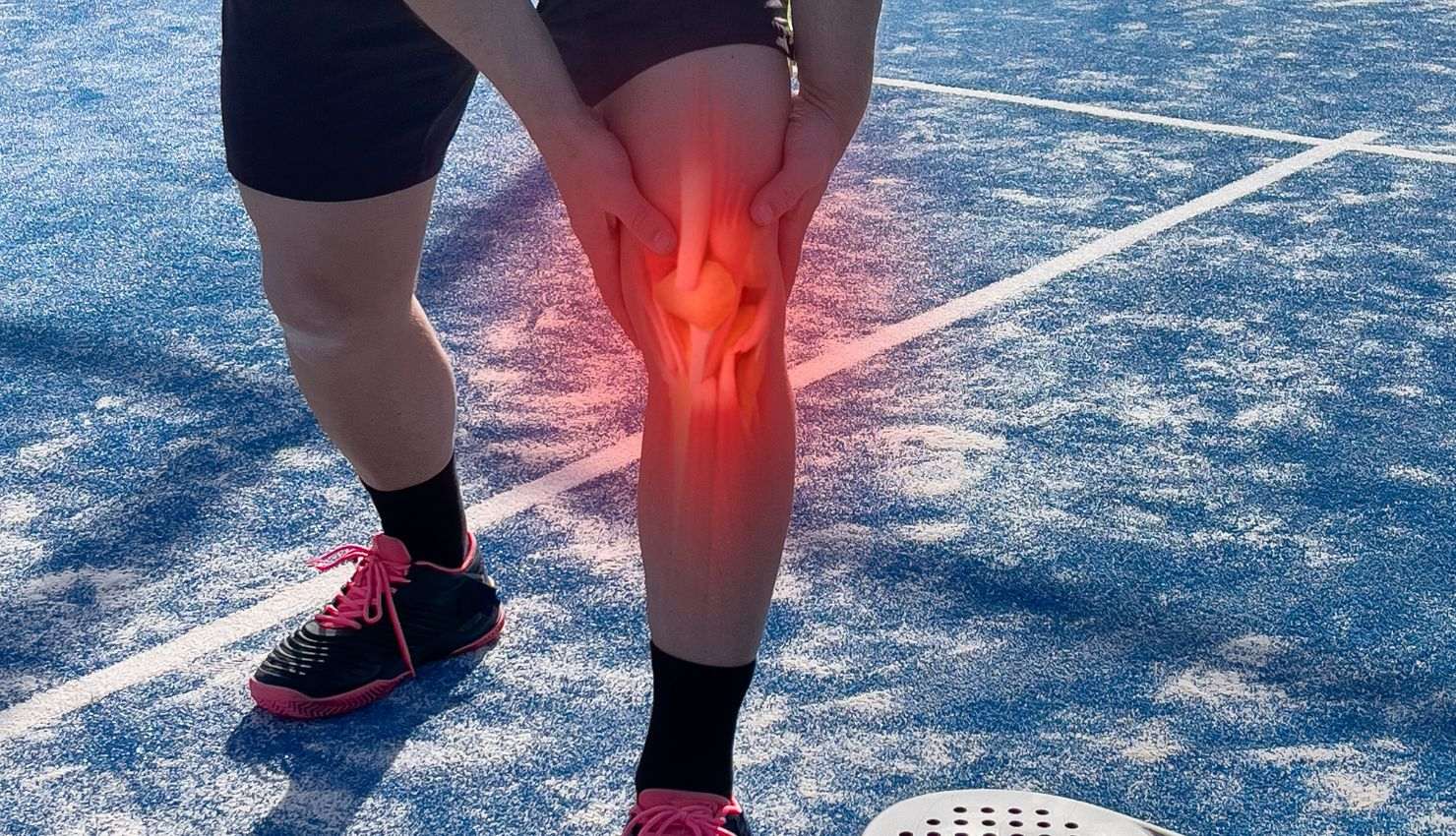
If youve recently had knee surgery whether it was a total knee replacement, ACL reconstruction, meniscus repair, or something else youve probably noticed that recovery doesnt stop once the operation is over. In fact, what you do after surgery is just as important as the procedure itself.
And thats where physiotherapy comes in.
Knee pain after surgery is completely normal, but with the right physiotherapy plan, you can reduce discomfort, rebuild strength, and get back to doing the things you love with more confidence and less pain.
Lets walk through how physiotherapy helps you manage knee pain and supports a full, successful recovery.
?? Why Does Knee Pain Happen After Surgery?
Post-surgical knee pain is usually caused by:
Swelling and inflammation in the joint
Scar tissue and stiffness limiting your range of motion
Muscle weakness, especially in the quadriceps and hamstrings
Joint stiffness from limited movement during recovery
Without proper rehab, that pain can linger and affect how well your knee functions long term. Thats why early intervention and guided recovery are key.
?? How Physiotherapy Helps Manage Knee Pain After Surgery
1?? Gentle Range of Motion Exercises
Right after surgery, the focus is on regaining mobility without overloading the joint. Your physiotherapist will guide you through:
Knee bends and extensions (within a safe range)
Ankle pumps to reduce swelling
Passive movements to gently stretch the joint
These help prevent stiffness, reduce pain, and restore movement all while protecting healing tissues.
2?? Swelling and Inflammation Management
Swelling can make pain worse and limit progress. Physiotherapy helps manage it through:
Cold therapy and compression
Elevation strategies
Lymphatic drainage techniques
Light movement to improve circulation
As swelling goes down, so does the pain and range of motion starts to improve.
3?? Targeted Strengthening Exercises
As soon as its safe, your physio will begin incorporating exercises to rebuild strength in your leg especially the quads, hamstrings, glutes, and calf muscles. These may include:
Straight leg raises
Mini squats
Heel slides
Resistance band exercises
Stronger muscles reduce stress on the knee joint and help prevent future injury or pain.
4?? Manual Therapy
Hands-on techniques can work wonders during post-op recovery. Your physiotherapist might use:
Soft tissue massage to reduce tension and promote healing
Joint mobilizations to improve range and reduce stiffness
Scar tissue management to prevent adhesions and tightness
Manual therapy not only eases pain it supports smoother, more natural movement.
5?? Gait Training and Functional Movement
After surgery, its common to walk differently often unconsciously protecting the knee. But this can lead to pain in other areas, like the hips or lower back. Your physio will help you:
Re-learn how to walk properly
Correct your posture and stride
Safely progress from walkers/crutches to independent walking
Theyll also help you reintroduce daily movements like sitting, climbing stairs, and getting in and out of a car all without aggravating your knee.
6?? Pain-Relieving Modalities
Your physiotherapy sessions might also include tools to reduce discomfort, such as:
TENS (electrical nerve stimulation)
Ultrasound therapy
Heat and cold packs
Kinesiology taping for support
These therapies are used to support not replace the hands-on and exercise-based recovery process.
7?? Education and At-Home Care
Your physiotherapist is also your coach. Youll get tips on:
How to pace yourself and avoid overdoing it
What positions or movements to avoid
How to manage pain at home with simple tools and stretches
When and how to increase your activity level
This empowers you to stay on track and prevent setbacks during your recovery.
? Common Surgeries That Benefit from Post-Op Physio
Physiotherapy is essential after surgeries like:
Total or partial knee replacement
ACL or PCL reconstruction
Meniscus repair
Kneecap (patellar) realignment
Arthroscopic procedures (clean-up or cartilage repair)
No matter the surgery, physio helps you reduce pain, improve function, and return to your normal life safely and confidently.
In a Nutshell
Knee pain after surgery is normal but its not permanent. With the right physiotherapy program, youll ease discomfort, rebuild strength, and restore movement the right way, at the right pace.
Think of physiotherapy as your roadmap to recovery guiding you every step of the way, from pain to power.