Car crashes. Slips and falls.

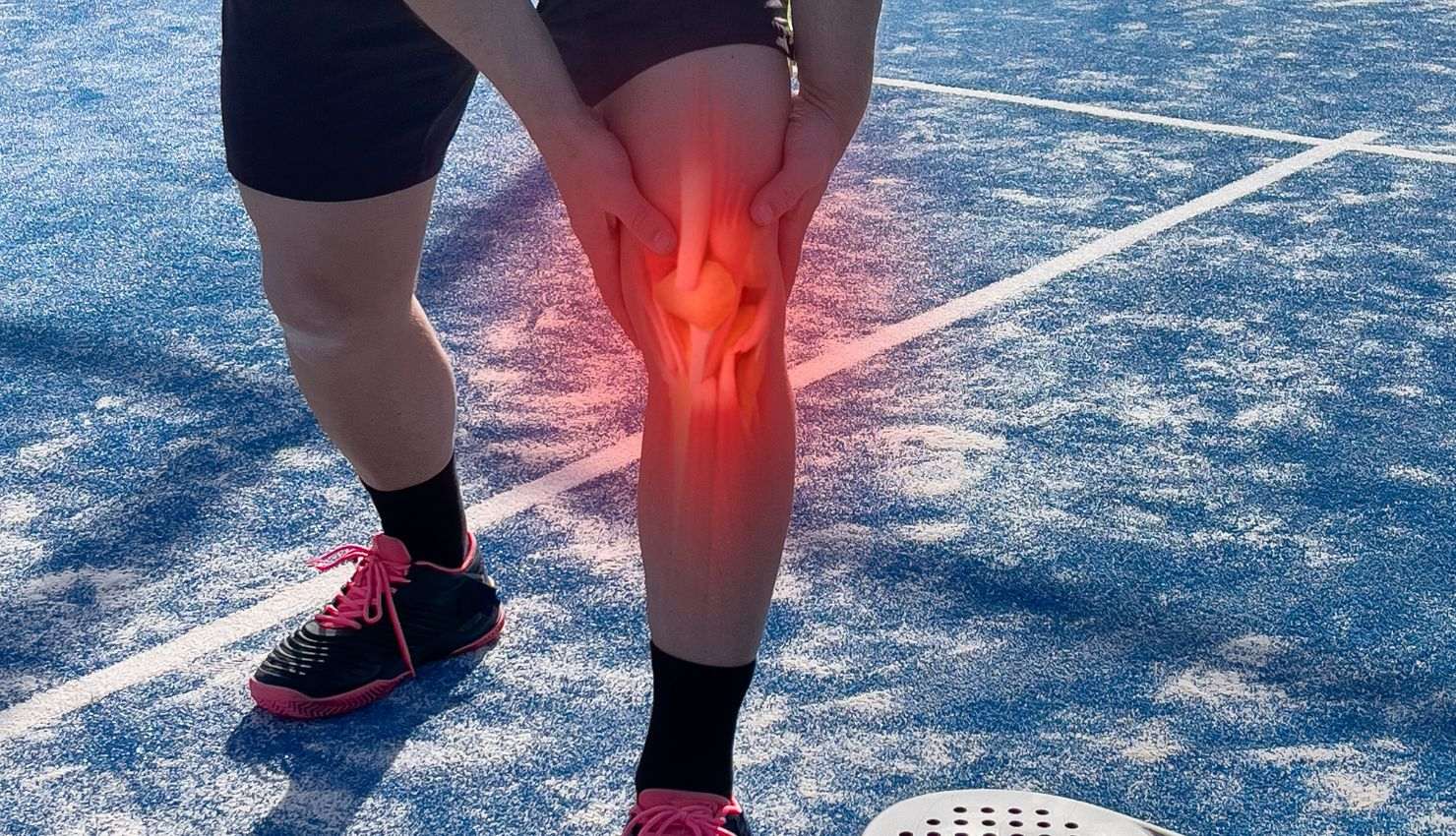
Car crashes. Slips and falls. Workplace injuries. Accidents can happen in the blink of an eye but the pain they leave behind can linger for weeks, months, or even longer. Whether its a sore neck, aching back, or limited movement, post-accident pain can interfere with everyday life.
The good news? Physiotherapy offers a safe, effective, and personalized path to recovery helping reduce pain, restore mobility, and rebuild strength, without relying solely on medications.
Lets take a closer look at how physiotherapy helps manage and treat pain after an accident.
?? Why Post-Accident Pain Persists
Even after the body starts to heal, pain can stick around due to:
Soft tissue damage (like muscle strains or ligament sprains)
Whiplash or trauma to the neck and spine
Joint stiffness or swelling
Muscle guarding (where muscles tighten up to protect the injured area)
Nerve irritation or compression
Emotional stress, which can amplify physical symptoms
Without the right care, these issues can become chronic. Thats why early intervention with physiotherapy is so important.
?? How Physiotherapy Helps Treat Post-Accident Pain
1?? Thorough Assessment and Diagnosis
Your recovery starts with a deep dive into what happened during the accident and how your body has been affected. A physiotherapist will assess:
Where the pain is coming from
How your muscles and joints are working
Your posture, movement patterns, and limitations
Any nerve involvement or referred pain
From there, theyll design a custom rehab plan no generic exercises, just what your body needs to heal.
2?? Manual Therapy to Release Tension and Improve Mobility
Accidents often cause muscles to tighten or joints to stiffen. Hands-on techniques can help:
Reduce pain and muscle spasms
Improve joint range of motion
Break down scar tissue or adhesions
Increase blood flow and tissue healing
Manual therapy might include massage, joint mobilization, trigger point release, or myofascial release all tailored to your level of comfort.
3?? Pain-Relief Techniques and Modalities
To help calm your nervous system and reduce inflammation, physiotherapists use various tools such as:
TENS (transcutaneous electrical nerve stimulation) for nerve pain
Ultrasound therapy for deep tissue healing
Heat or cold therapy to manage swelling and stiffness
Kinesiology taping or bracing for joint support and posture correction
These techniques can make movement more manageable and speed up recovery.
4?? Gentle Stretching and Range of Motion Exercises
Accident-related pain often leads to stiffness and reduced flexibility. Your physiotherapist will guide you through:
Passive and active stretching
Neck and back mobility routines
Shoulder and hip range-of-motion work
Postural stretches for spinal realignment
These movements are gentle but powerful they help your body regain its natural movement patterns and reduce tension-related pain.
5?? Progressive Strengthening Exercises
Once pain begins to ease, its time to rebuild strength especially in muscles that weakened during recovery. Strength training helps:
Stabilize joints
Prevent re-injury
Improve posture and core control
Support daily activities and long-term movement goals
Youll start with simple exercises and gradually progress under your physios guidance always within your limits.
6?? Neuromuscular Re-education and Balance Training
Accidents can disrupt the way your brain and body communicate. Your physio may include exercises that retrain:
Balance and coordination
Movement control
Reflexes and joint awareness (proprioception)
This is especially important for falls, concussions, and lower limb injuries.
7?? Education and Lifestyle Support
Part of healing is understanding why pain happens and how to prevent it from returning. Your physiotherapist will help you:
Modify daily habits that might be contributing to pain
Adjust posture and body mechanics
Create a home exercise program
Manage flare-ups with simple self-care strategies
You wont just recover youll be equipped with the knowledge to protect your body for the future.
?? Dont Forget the Mind-Body Connection
Trauma physical or emotional can affect your nervous system. Many physiotherapists now incorporate breathing exercises, mindfulness, and stress-relief techniques into treatment to help calm the body and mind.
Pain relief isn’t just about muscles and joints its about helping the whole person feel better.
In a Nutshell
If youre dealing with lingering pain after an accident, physiotherapy can help you safely move forward. With personalized treatment, hands-on care, and expert guidance, you can reduce pain, restore mobility, and regain your confidence.
Youve been through the accident now its time to focus on recovery, one step at a time. Physiotherapy is here to help you every step of the way.