Joint pain can stem from several conditions, including: Osteoarthritis (wear and tear of cartilage) Rheumatoid arthritis (inflammatory autoimmune condition) Post-injury issues (like ligament sprains or cartilage damage) Tendinitis or bursitis Poor alignment or biomechanics Post-surgical stiffness No matter the cause, joint pain often leads to inflammation, stiffness, weakness, and altered movement patternsand thats where physiotherapy …

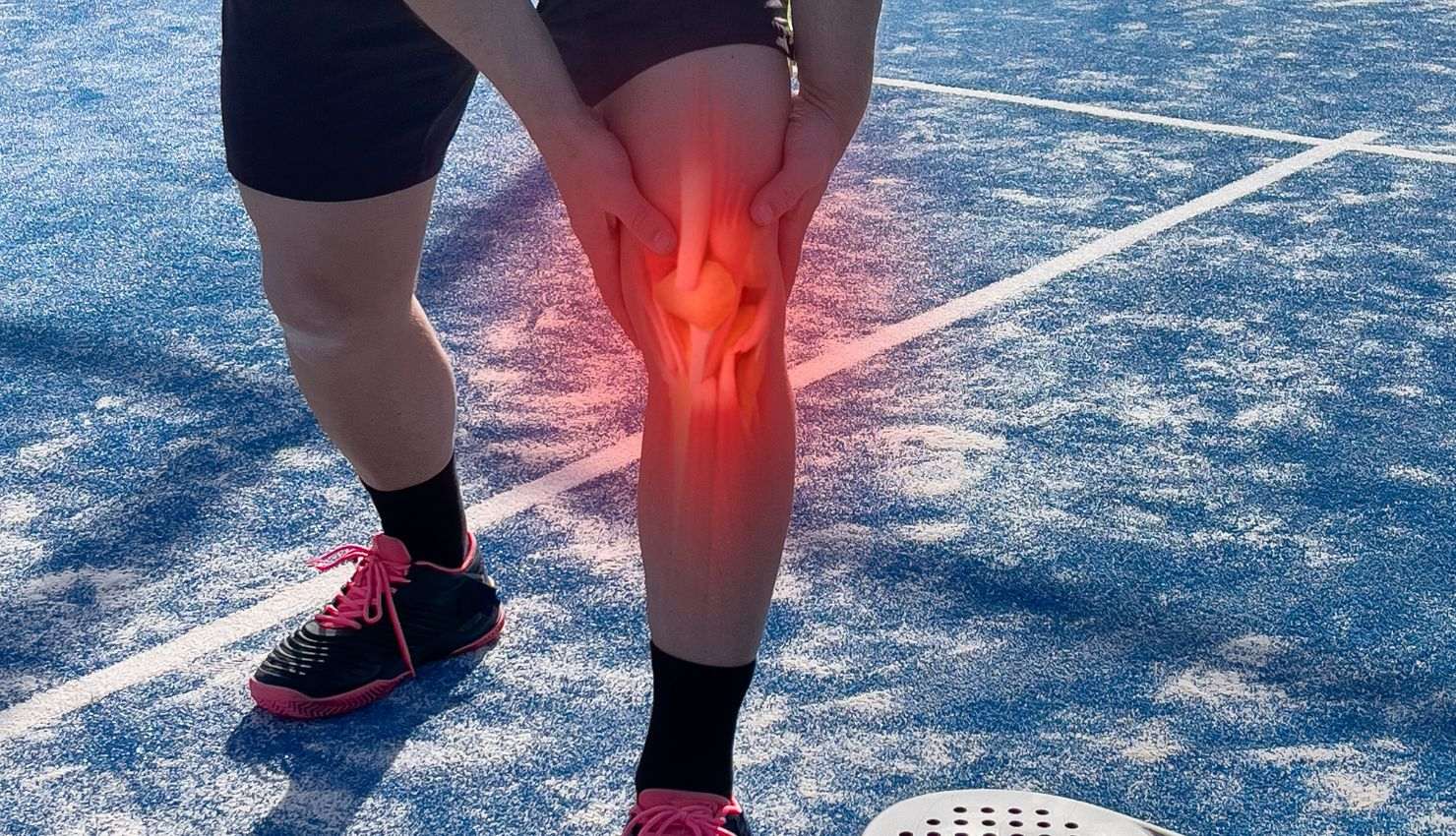
Joint pain can stem from several conditions, including:
Osteoarthritis (wear and tear of cartilage)
Rheumatoid arthritis (inflammatory autoimmune condition)
Post-injury issues (like ligament sprains or cartilage damage)
Tendinitis or bursitis
Poor alignment or biomechanics
Post-surgical stiffness
No matter the cause, joint pain often leads to inflammation, stiffness, weakness, and altered movement patternsand thats where physiotherapy works its magic.
??? How Physiotherapists Help Manage Joint Pain
1. Thorough Assessment
First, your physiotherapist will assess:
Which joint(s) are involved and how they move
Strength and flexibility of the surrounding muscles
Posture, gait, and alignment
Pain triggers and patterns (e.g., during movement, rest, or loading)
This gives them a full picture of whats causing your painnot just where it hurts, but why.
2. Pain Relief Techniques
To reduce joint pain in the short term, your physio may use:
Manual therapy: Gentle joint mobilizations and soft tissue release
TENS (electrical nerve stimulation): Blocks pain signals at the nerve level
Ultrasound therapy: Helps reduce inflammation and improve tissue healing
Ice or heat therapy: Cold for inflammation, heat for stiffness
Kinesiology taping or braces: Offload pressure and support the joint
These techniques help you move more comfortably while your body begins to heal and strengthen.
3. Tailored Exercise Programs
Movement is key to joint healthbut not just any movement. Physiotherapists create custom exercise plans to:
Strengthen muscles around the joint (so they absorb stress better)
Improve joint range of motion
Enhance balance and stability
Protect the joint during daily activities and exercise
Examples include:
Mini squats, wall sits, or step-ups for knees
Arm circles or theraband rows for shoulder pain
Hip bridges and clamshells for hip or SI joint support
Gentle stretches for stiff joints
Over time, these exercises reduce pain, improve function, and prevent further damage.
4. Correcting Movement Patterns
Pain often causes people to move differently to avoid discomfortwhich can lead to bad habits and more pain down the road. Physios help by:
Teaching proper movement mechanics
Re-training how you walk, lift, sit, or reach
Adjusting posture and alignment to reduce joint strain
Introducing low-impact movement patterns that protect painful joints
This ensures youre not just feeling betteryoure moving better, too.
5. Joint Protection Strategies
Especially for chronic joint conditions like arthritis, physiotherapists offer guidance on:
Activity pacing (knowing when to rest and when to move)
Joint-friendly modifications (like raised seats, ergonomic tools, or different shoes)
Heat packs and home exercises to reduce stiffness
Assistive devices, if needed, to reduce joint overload
Its all about preserving joint health and minimizing flare-ups in the long run.
? How Long Until You See Results?
It depends on the cause and severity of your joint issue. But many people begin to feel:
Less pain and more movement after just a few sessions
Noticeable improvements in strength, control, and function within 46 weeks
Ongoing progress with a regular home program and follow-up care
? Final Word
Physiotherapy is one of the most effective, non-invasive ways to manage joint pain. It combines hands-on treatment, targeted exercises, education, and support to help you reduce pain, restore movement, and protect your joints for the future.
Whether your joint pain is due to arthritis, an old injury, or just wear and tear from daily life, a physiotherapist can help you feel betterand move betterwithout needing to rely solely on medications or surgery.