Physiotherapy (also known as physical therapy) uses movement-based treatment, manual therapy, education, and lifestyle strategies to: Reduce pain Improve mobility Correct muscle imbalances Restore strength and function Prevent injuries and chronic issues Whether youre an athlete, office worker, manual laborer, or just feeling those everyday aches and pains, physiotherapy meets you where you areand helps …

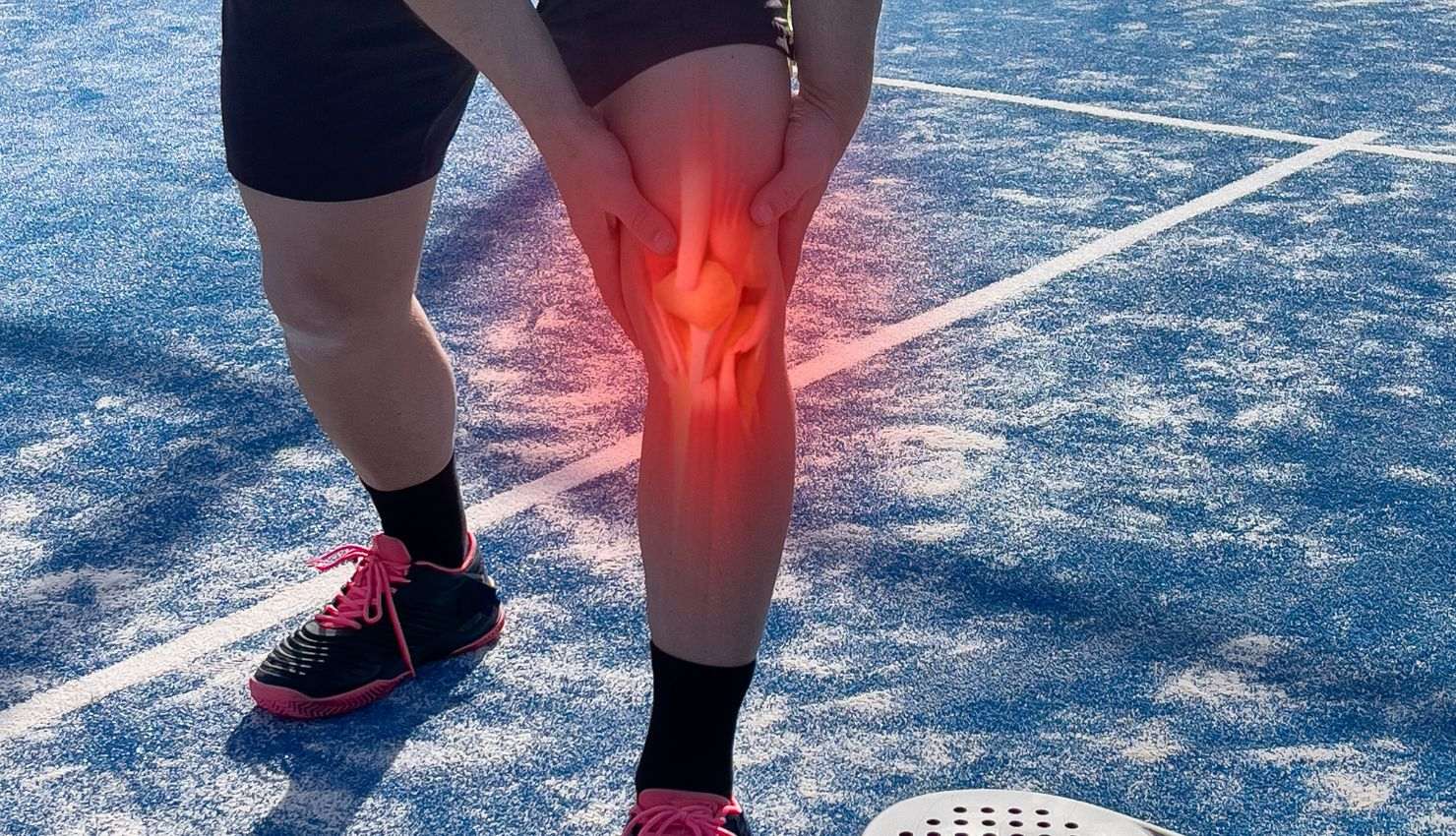
Physiotherapy (also known as physical therapy) uses movement-based treatment, manual therapy, education, and lifestyle strategies to:
Reduce pain
Improve mobility
Correct muscle imbalances
Restore strength and function
Prevent injuries and chronic issues
Whether youre an athlete, office worker, manual laborer, or just feeling those everyday aches and pains, physiotherapy meets you where you areand helps you get where you want to go.
?? 1. Injury Prevention: Stay Ahead of the Pain
One of the most underrated benefits of physiotherapy is proactive care. You dont have to wait for an injury to happen!
How physiotherapy helps prevent injuries:
Movement assessments identify weak spots and imbalances before they cause problems
Strength training builds resilience in key joints and muscles (especially around knees, hips, shoulders, and core)
Postural correction reduces daily strain, especially for desk workers
Sport-specific training prepares athletes for performance without breakdown
Balance and stability work prevents falls and ankle/knee injuries
Ergonomic advice ensures your daily environment supportsnot stressesyour body
Think of it as tuning up your body so it performs at its best and stays injury-free.
?? 2. Pain Relief: Move Better, Feel Better
Physiotherapists dont just treat painthey treat the root cause of pain. Thats the key to real, lasting relief.
How physiotherapy relieves pain:
Manual therapy (like massage, joint mobilization, and myofascial release) calms irritated tissues
Targeted exercises strengthen weak areas and take the load off painful structures
Stretching and mobility work eases tight muscles and stiff joints
TENS, ultrasound, heat/cold therapy, and taping reduce inflammation and promote healing
Movement re-education fixes faulty mechanics that cause pain over time
Whether its back pain, joint pain, tendonitis, or nerve-related discomfort, physio helps you get out of the pain cycleand back to your normal life.
?? 3. Better Body Awareness & Function
Physiotherapy teaches you how to:
Move more efficiently in daily life, exercise, and work
Understand how your body responds to stress, strain, or poor habits
Catch and correct issues early before they become full-blown problems
Rebuild confidence in movement after pain or injury
You gain not just strength and flexibilitybut knowledge and control over your own body.
?? 4. Customized Care That Evolves With You
Every body is differentyour pain, posture, goals, and activity level all matter. Physiotherapy is never one-size-fits-all. Your treatment is tailored to:
Your injury history
Your job and lifestyle
Your fitness goals
Your mobility and flexibility
Your age and health status
And as you get stronger and more mobile, your physio plan evolves with you. Its dynamic, supportive, and personal.
? 5. Long-Term Benefits
Investing in physiotherapy pays off in the long run:
Fewer injuries
Less time off work or exercise
Reduced reliance on painkillers
Lower risk of chronic pain or surgeries
Better aging and joint health
Its not just about fixing somethingits about building a stronger, pain-free future.
? Final Takeaway
Physiotherapy is your secret weapon for both injury prevention and pain relief. It helps you build strength, restore movement, ease discomfort, and keep your body working the way it was designed to.
Whether youre recovering, maintaining, or looking to level up your physical health, a physiotherapist can help you move better, live better, and feel betterday after day.