Injuries happen whether its from a sudden fall, a sports mishap, or simply moving the wrong way. But what often lingers long after the initial event is the pain.

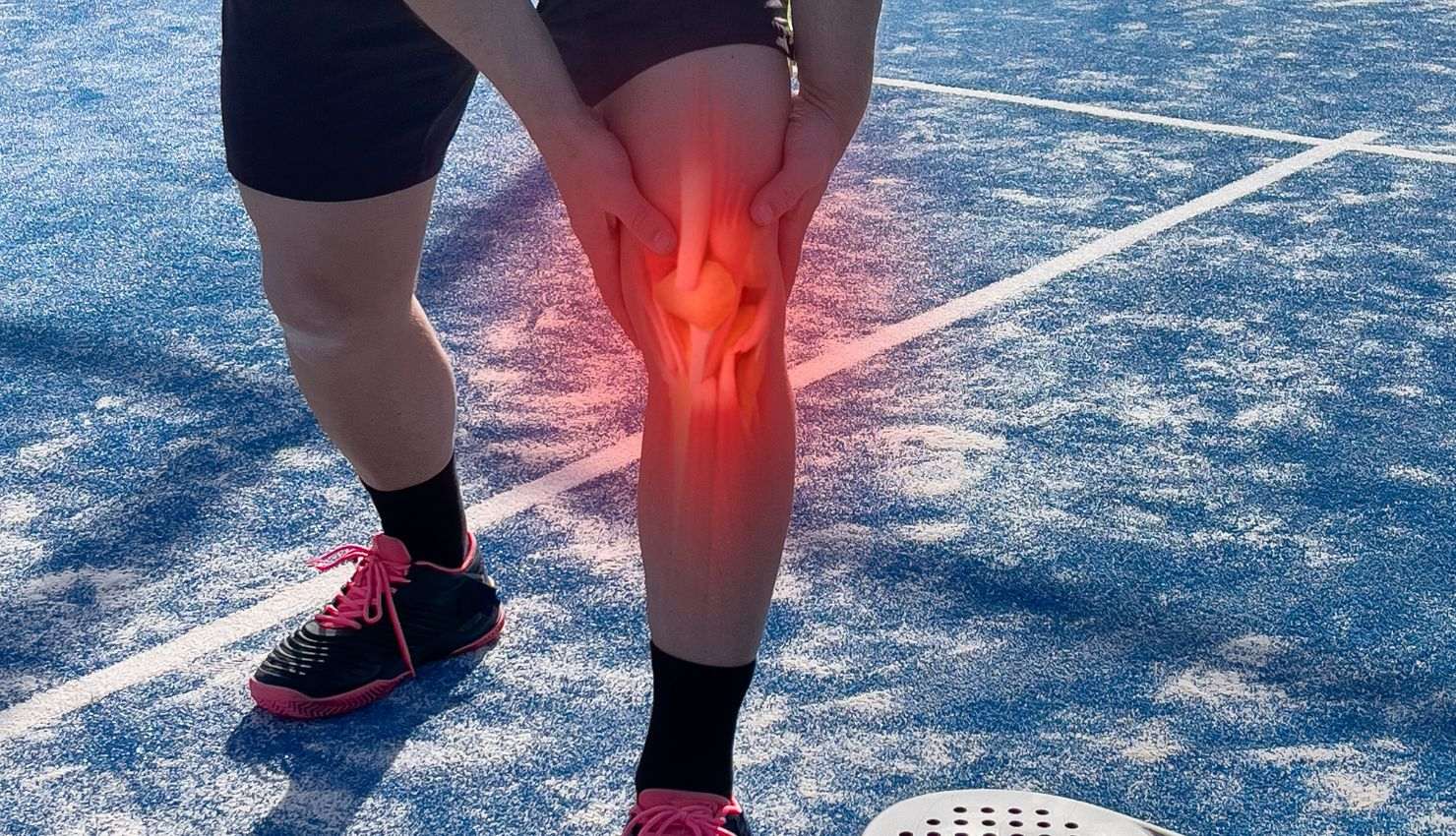
Injuries happen whether its from a sudden fall, a sports mishap, or simply moving the wrong way. But what often lingers long after the initial event is the pain. That dull ache, stabbing sensation, or persistent soreness can make recovery feel slow and frustrating.
The good news? Physiotherapy offers proven techniques to help manage post-injury pain effectively not just by treating symptoms, but by promoting healing, restoring function, and helping you get back to feeling your best.
Lets explore some of the best physiotherapy techniques used to manage pain after an injury and why they work.
?? Understanding Post-Injury Pain
Post-injury pain can be caused by a combination of factors:
Inflammation and swelling around the injured tissue
Muscle guarding or spasms to protect the area
Limited movement causing stiffness and tightness
Nerve irritation or compression
Psychological factors like fear of re-injury
Physiotherapy addresses all of these, offering a whole-body approach to pain relief and recovery.
?? Top Physiotherapy Techniques for Post-Injury Pain Management
1?? Manual Therapy
Manual therapy is hands-on treatment used to relieve pain, improve mobility, and promote healing. Your physiotherapist may use:
Soft tissue massage to relax tight muscles and reduce tension
Joint mobilization to improve range of motion
Myofascial release to ease stiffness in the connective tissues
Trigger point therapy to release muscle knots causing referred pain
These techniques help break the pain cycle and support better movement.
2?? Therapeutic Exercises
Exercise is a cornerstone of physiotherapy and yes, its safe to move after injury (with proper guidance). Therapeutic exercises help:
Rebuild strength in weakened muscles
Restore flexibility and joint range of motion
Improve circulation for healing
Prevent compensations that lead to further pain
Youll start with gentle, pain-free movements and gradually progress based on your tolerance and recovery stage.
3?? TENS (Transcutaneous Electrical Nerve Stimulation)
TENS therapy uses low-voltage electrical impulses to block pain signals sent to the brain. It can be especially helpful for:
Acute injuries
Nerve-related pain
Reducing reliance on medication
Its painless, easy to use, and often offered as part of in-clinic or home-based care.
4?? Ultrasound Therapy
Therapeutic ultrasound delivers sound waves deep into soft tissues, which can:
Stimulate blood flow
Reduce inflammation
Speed up tissue healing
Relieve muscle tightness
Its particularly helpful for ligament, tendon, or muscle injuries in the early stages of healing.
5?? Cryotherapy and Thermotherapy (Cold & Heat Therapy)
Your physiotherapist may alternate between cold and heat to help control pain:
Cold therapy (ice packs) reduces inflammation, swelling, and acute pain
Heat therapy (heating pads or warm compresses) relaxes tight muscles and improves circulation
Used strategically, these therapies can enhance other treatments and provide immediate relief.
6?? Kinesiology Taping
Kinesio tape is a flexible, skin-friendly tape applied over injured areas to:
Provide support without restricting movement
Reduce swelling and bruising
Relieve pain by lifting the skin and improving lymphatic flow
Its commonly used for joint sprains, muscle strains, and post-surgical recovery.
7?? Education and Pain Neuroscience
One of the most powerful tools your physio can offer is knowledge. Understanding how pain works helps reduce fear and improve your relationship with movement. Youll learn:
What movements are safe vs. harmful
How to avoid overprotecting the injury
Ways to pace yourself during recovery
Tips to prevent future injuries
Education builds confidence and confidence reduces pain.
8?? Gradual Return-to-Function Programs
Whether you’re an athlete getting back to sport or someone recovering from a workplace injury, physiotherapists develop structured plans to ease you back into:
Work duties
Household tasks
Sports and hobbies
Everyday movements (like bending, lifting, or walking)
These programs prevent re-injury and help you rebuild trust in your body.
? Common Injuries Treated with These Techniques
Sprains and strains
Muscle tears
Joint dislocations
Ligament injuries (ACL, MCL)
Fractures (post-immobilization)
Post-surgical recovery
Whiplash and neck injuries
Tendonitis or bursitis
In a Nutshell
Post-injury pain doesnt have to mean sitting still or waiting in frustration. With the right physiotherapy techniques, you can:
? Relieve pain
? Promote healing
? Regain strength and movement
? Prevent future injuries
A physiotherapist helps you move through pain not just past it and guides your recovery every step of the way.