When you’re in pain whether it’s from an injury, chronic condition, or just daily wear and tear one of the most natural instincts is to reach for relief. And while pain medications or rest might help temporarily, theres a hands-on approach that goes deeper: manual therapy.

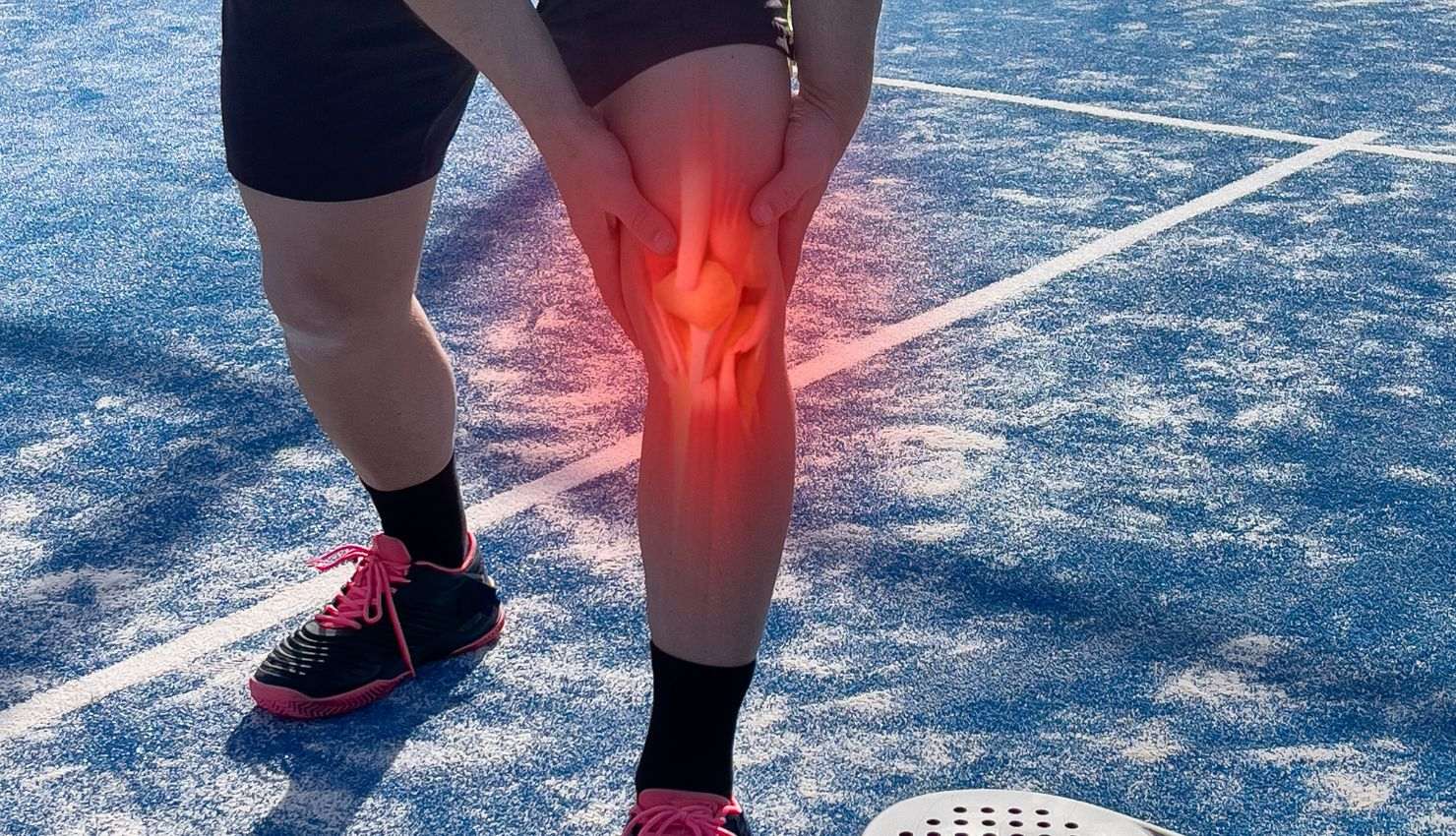
When you’re in pain whether it’s from an injury, chronic condition, or just daily wear and tear one of the most natural instincts is to reach for relief. And while pain medications or rest might help temporarily, theres a hands-on approach that goes deeper: manual therapy.
Used by physiotherapists around the world, manual therapy is more than just massage it’s a targeted, evidence-based method for reducing pain, restoring movement, and improving function. Lets explore what manual therapy is, how it works, and why it plays such a powerful role in pain management.
? What Is Manual Therapy?
Manual therapy is a set of hands-on techniques used by trained physiotherapists to assess, treat, and improve soft tissue and joint function. It involves:
Specific movements of joints and muscles
Soft tissue mobilization and massage
Stretching and manipulation techniques
Gentle pressure or traction
Its often used in combination with therapeutic exercise and other modalities to create a well-rounded treatment plan.
?? How Manual Therapy Helps with Pain
Pain can be complex it often involves not just injury, but inflammation, stiffness, poor movement patterns, and nervous system sensitivity. Manual therapy helps break that cycle by:
Improving circulation to injured tissues
Reducing muscle tension and guarding
Restoring joint mobility
Decreasing inflammation and swelling
Resetting the nervous systems pain response
Its not just about temporary relief its about getting your body moving better so it can heal better.
?? Types of Manual Therapy Techniques
Physiotherapists use a wide range of manual therapy approaches depending on your condition and goals. Here are some of the most common:
1?? Soft Tissue Mobilization (Massage Therapy)
This technique targets tight or sore muscles, tendons, and fascia (connective tissue) using deep or rhythmic pressure. It helps:
Relieve muscle knots and spasms
Improve blood flow
Release built-up tension from stress or overuse
Perfect for back, neck, or shoulder pain or general muscle fatigue.
2?? Trigger Point Therapy
This technique focuses on small, tight “knots” in your muscles that can refer pain to other parts of the body. Trigger point therapy helps:
Reduce local and referred pain
Improve flexibility
Break pain patterns that cause chronic discomfort
3?? Joint Mobilization
This involves gentle, passive movements of the joints to improve range of motion and reduce stiffness. Its commonly used for:
Arthritic joints
Stiff knees or shoulders
Post-injury or post-surgical joint restrictions
4?? Myofascial Release
Your fascia (the connective tissue that surrounds muscles) can become tight and restrict movement. This technique involves sustained pressure and slow stretching to:
Release tension
Improve posture
Relieve widespread or unexplained muscle pain (especially in conditions like fibromyalgia)
5?? Spinal and Peripheral Joint Manipulation
This technique uses a quick, controlled movement to restore joint function sometimes producing a pop or click. It may:
Relieve acute back or neck pain
Improve spinal alignment
Reduce nerve irritation (as in sciatica)
?? The Mind-Body Connection
Manual therapy does more than relax the body it can calm the nervous system, reduce anxiety around movement, and help break the cycle of chronic pain. Patients often leave a session feeling not just physically better, but mentally more at ease and empowered to keep moving.
? Conditions Manual Therapy Can Help
Manual therapy is beneficial for a wide range of musculoskeletal conditions, including:
Neck and back pain
Headaches and migraines
Joint pain (shoulder, hip, knee)
Sciatica and nerve pain
Sports injuries
Post-surgical recovery
Repetitive strain injuries (RSIs)
Temporomandibular joint (TMJ) dysfunction
?? What to Expect from a Manual Therapy Session
During your physiotherapy appointment, your therapist will:
Assess your pain and movement
Explain the techniques theyll use and why
Apply manual therapy as part of a larger treatment plan
Combine it with exercises or education for long-term success
Each session is tailored to your comfort and needs its collaborative, not one-size-fits-all.
In a Nutshell
Manual therapy is a powerful tool in the physiotherapists toolkit not just for temporary relief, but for lasting results. Whether youre recovering from injury, dealing with chronic pain, or just trying to move more freely, manual therapy offers a hands-on path to healing.
So if pain is holding you back, maybe its time to try a hands-on approach. Physiotherapy can help you feel better, move better, and get back to living life on your terms.