Athletes push their bodies to the limit. That means: Higher physical stress on muscles, joints, and tendons Increased risk of overuse injuries The constant need for quick recovery without setbacks Physiotherapists are specially trained to understand the demands of different sports and provide targeted care to: ? Reduce pain ? Speed up tissue healing ? …

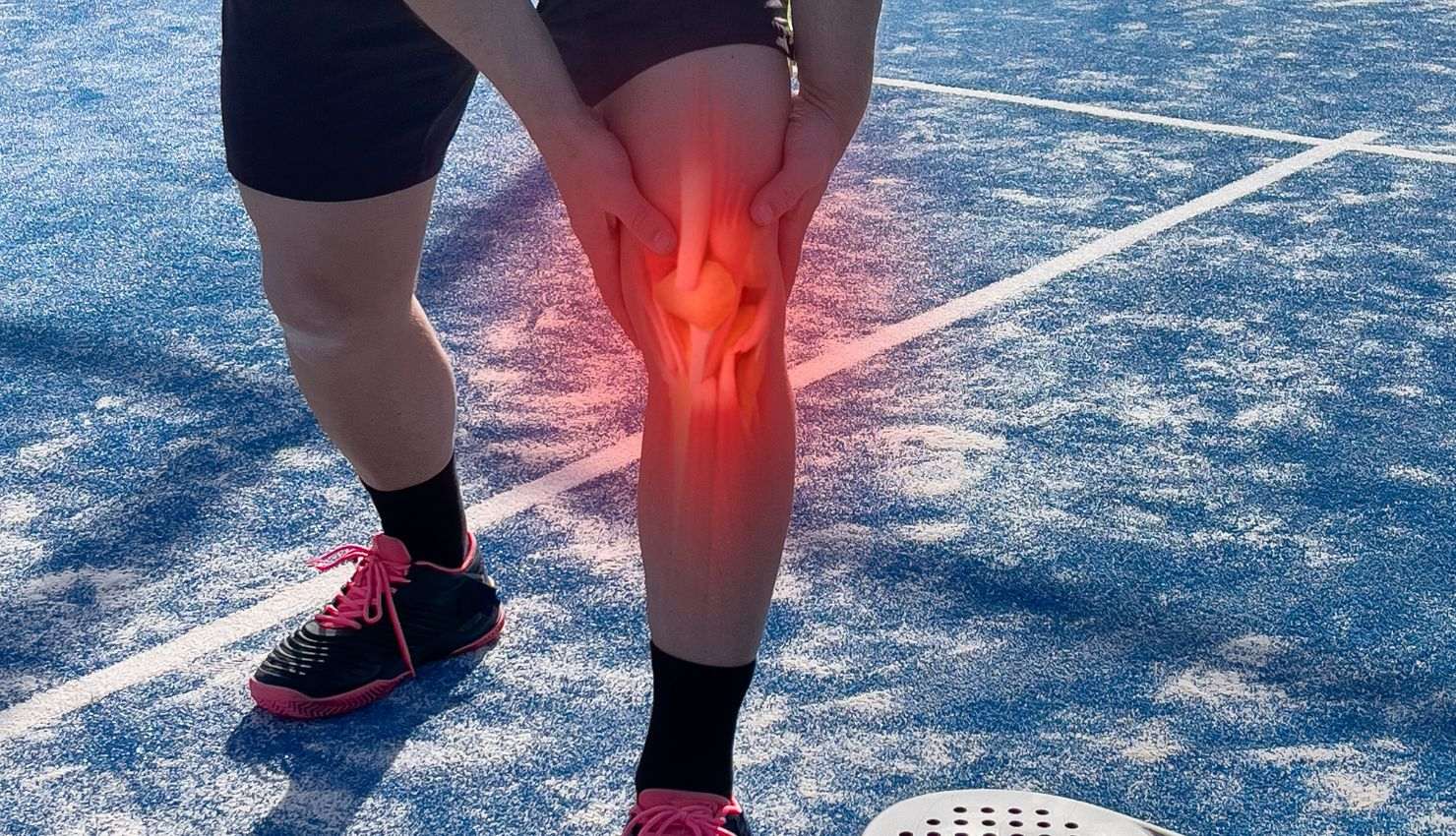
Athletes push their bodies to the limit. That means:
Higher physical stress on muscles, joints, and tendons
Increased risk of overuse injuries
The constant need for quick recovery without setbacks
Physiotherapists are specially trained to understand the demands of different sports and provide targeted care to:
? Reduce pain
? Speed up tissue healing
? Improve biomechanics
? Prevent repeat injuries
? Support peak performance
?? How Physiotherapy Helps Athletes Manage Pain
1. Injury-Specific Assessment
A sports physio will perform a full assessment of:
Movement mechanics
Muscle imbalances or weaknesses
Range of motion and flexibility
Sport-specific technique
Pain location and type (acute vs chronic)
This ensures treatment is personalized and performance-focused.
2. Manual Therapy for Pain Relief
Hands-on techniques that reduce inflammation, loosen tight areas, and improve recovery:
Soft tissue release (great for tight muscles and fascia)
Joint mobilizations to restore mobility and ease joint pain
Trigger point therapy for deep, stubborn tension
Massage to promote circulation and reduce DOMS (delayed onset muscle soreness)
These are especially useful for post-competition or high-training volume phases.
3. Rehab & Recovery Exercises
Your physio will guide you through a tailored progression of:
Isometric and eccentric loading for tendon or muscle injuries
Core and stabilizer muscle training to support joints
Mobility work to maintain full range of motion
Functional strengthening that mimics your sport
This gets you moving sooner and safer, with less pain and better results.
4. Taping, Bracing & Support
Physios use supportive techniques to help you train and compete while healing:
Kinesiology taping to offload sore muscles or tendons
Compression wraps to reduce swelling
Bracing to protect healing ligaments or joints
Strapping techniques for stability during play
These can help you stay active while minimizing the risk of reinjury.
5. Recovery Modalities
In between intense sessions or during injury recovery, your physio may use:
Cryotherapy (ice packs) for acute pain and swelling
Heat therapy for chronic stiffness
TENS or electrical stimulation for muscle recovery and pain control
Ultrasound therapy to accelerate soft tissue healing
Percussion tools or foam rolling routines
These speed up tissue repair and muscle recoveryso you’re ready for your next session faster.
6. Biomechanical & Technique Correction
Small movement inefficiencies can lead to chronic pain or poor performance. Physios help refine:
Running gait
Lifting form
Jumping and landing mechanics
Throwing or swinging techniques
Correcting these issues boosts performance and prevents injury.
7. Return-to-Sport Planning
Your physiotherapist helps you gradually return to full activity with:
Progressive loading plans
Agility and plyometric drills
Sport-specific testing (e.g., hop tests, sprint mechanics)
Mental support and confidence-building
No more guessingyoull know exactly when youre ready to play again, safely and effectively.
?? Bonus: Injury Prevention & Longevity
Even when youre not injured, physios can help you:
Identify early signs of overload
Optimize your training load and recovery schedule
Build a body thats more resilient to stress, impact, and fatigue
Its not just about healingits about staying in the game longer and stronger.
? Final Takeaway
Physiotherapy is essential for athletes at any level. It helps you manage pain, heal faster, train smarter, and perform at your bestwithout relying on medication or risking reinjury.
From early injury treatment to high-performance support, physios are your behind-the-scenes performance team.