Surgery is often a critical step in healing, but the journey doesnt end in the operating room. Once the procedure is done, theres one major thing on most peoples minds: how to manage the pain and get moving again.

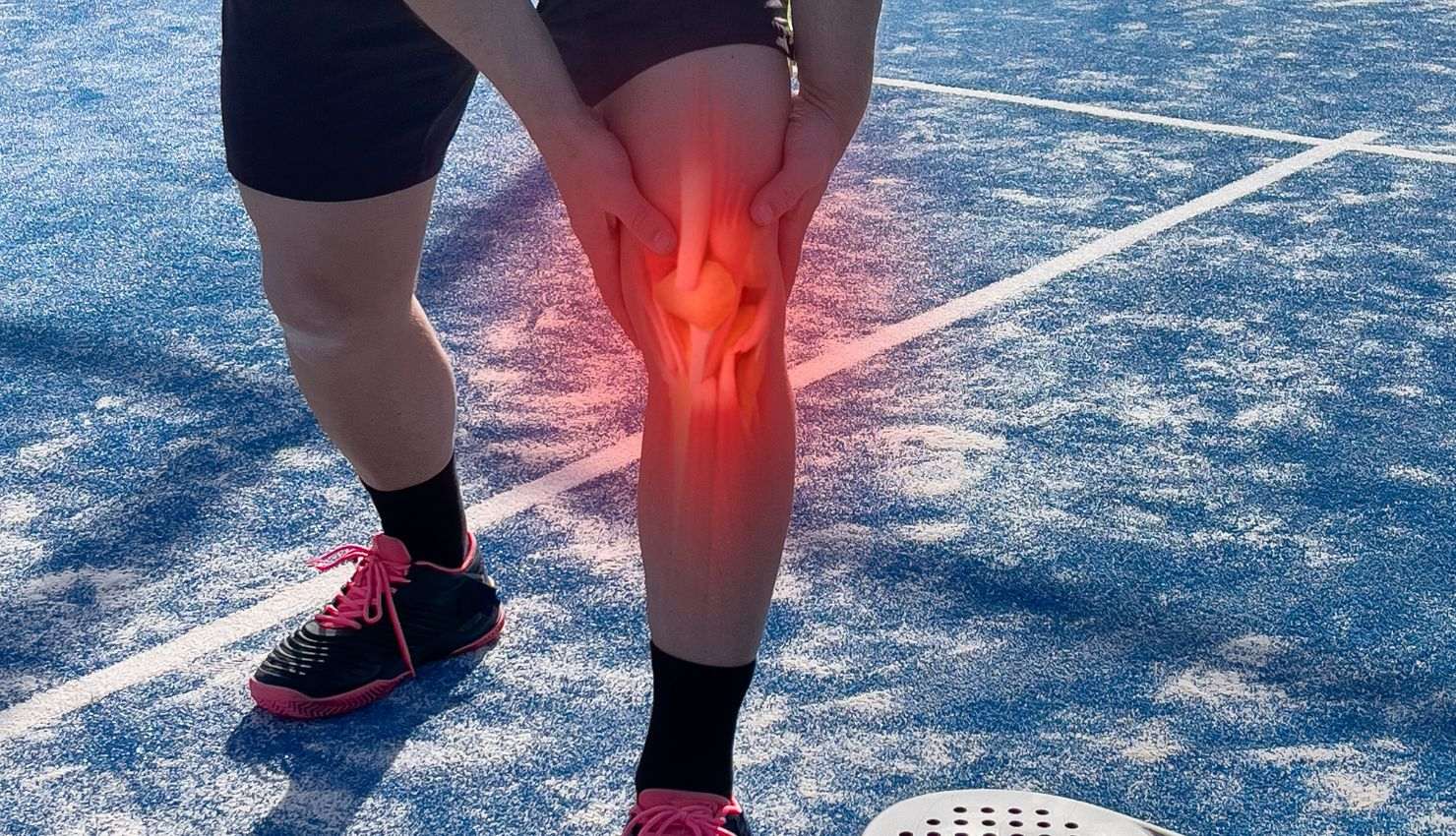
Surgery is often a critical step in healing, but the journey doesnt end in the operating room. Once the procedure is done, theres one major thing on most peoples minds: how to manage the pain and get moving again. Thats where physiotherapy comes in offering safe, personalized, and highly effective techniques to ease discomfort, speed up recovery, and help you regain your quality of life.
Lets take a closer look at how physiotherapy helps manage post-operative pain and sets the stage for a smoother, stronger recovery.
?? Why Post-Surgical Pain Happens
Pain after surgery is your bodys natural response to:
Tissue trauma from incisions or internal repairs
Inflammation from healing
Muscle stiffness from limited movement
Swelling around the surgical site
Nerve sensitivity in the affected area
While some discomfort is expected, prolonged or intense post-operative pain can delay recovery and reduce mobility. Thats why timely physiotherapy is so important.
?? How Physiotherapy Manages Post-Operative Pain
Physiotherapy doesnt just treat the pain it addresses the cause and helps the body heal more efficiently. Here’s how:
1?? Early Pain Management Techniques
In the early days after surgery, the focus is on gentle care and pain relief. Your physiotherapist may use:
Cold therapy to reduce swelling and numb the area
TENS (Transcutaneous Electrical Nerve Stimulation) for non-invasive pain relief
Positioning techniques to avoid strain on the surgical site
Breathing and relaxation exercises to ease tension and support nervous system regulation
These methods help reduce the intensity of pain and prepare your body for gradual movement.
2?? Manual Therapy (When Appropriate)
As healing progresses, your physio may incorporate gentle manual therapy to:
Loosen tight or guarded muscles
Improve circulation to promote healing
Ease scar tissue restrictions
Reduce postural compensation and surrounding tension
Manual therapy is carefully tailored based on the type of surgery and healing stage its never rushed.
3?? Targeted Exercises to Reduce Stiffness and Swelling
Even a few days of reduced movement can lead to stiffness and swelling. Physiotherapists guide you through gentle, safe exercises to:
Restore range of motion
Reduce fluid build-up
Prevent joint stiffness
Keep the rest of your body active without stressing the surgical site
For example, after a knee replacement, you may begin with ankle pumps and leg slides before progressing to standing exercises.
4?? Progressive Strengthening
Once healing is underway, your physio will help you rebuild strength in the affected area and beyond. These exercises:
Support joint stability
Prevent re-injury
Restore function for daily activities
Reduce long-term pain by correcting muscle imbalances
Youll work at a pace that matches your healing process no overdoing it, just steady progress.
5?? Scar Management and Soft Tissue Work
For surgeries involving incisions, your physiotherapist may provide guidance on:
Scar massage to reduce tightness and sensitivity
Soft tissue release to prevent adhesions or mobility restrictions
Desensitization techniques for areas with nerve discomfort
This helps not just with appearance, but with comfort and long-term mobility.
6?? Posture and Movement Training
After surgery, its common to move differently out of habit or fear of pain. Your physio will help you:
Re-learn safe ways to sit, stand, bend, and walk
Use assistive devices (like crutches or walkers) properly
Transition off supports confidently
Avoid compensations that can cause secondary pain in the neck, back, or other joints
This ensures your entire body heals in harmony not just the surgical site.
7?? Education and Empowerment
Physiotherapy is as much about teaching as it is about treating. Youll learn:
Whats normal pain vs. warning signs
How to move safely during healing
How to manage discomfort at home
Strategies to prevent long-term complications
The more you understand your recovery, the more control you have over it.
?? Common Surgeries Physiotherapy Supports
Physiotherapy is vital for pain management and recovery after surgeries such as:
Total joint replacements (knee, hip, shoulder)
ACL or rotator cuff repairs
Spinal surgeries (discectomy, fusion)
Abdominal or pelvic surgeries
Fracture repairs with plates, rods, or screws
Carpal tunnel or hand surgeries
Whether youve had major surgery or a minor procedure, early physiotherapy intervention makes recovery smoother and less painful.
? In a Nutshell
Post-operative pain is normal but it doesnt have to be overwhelming. Physiotherapy offers a proactive, gentle, and highly effective approach to managing pain, restoring mobility, and accelerating healing after surgery.
From hands-on care to tailored exercises and expert guidance, your physiotherapist becomes your partner in recovery helping you heal safely, move confidently, and return to the life you love.
Had surgery recently? Dont wait. Let physiotherapy guide your recovery every step of the way.