Students across Canada, from elementary school to university, carry heavy bags nearly every day. Whether it’s textbooks, laptops, or sports …

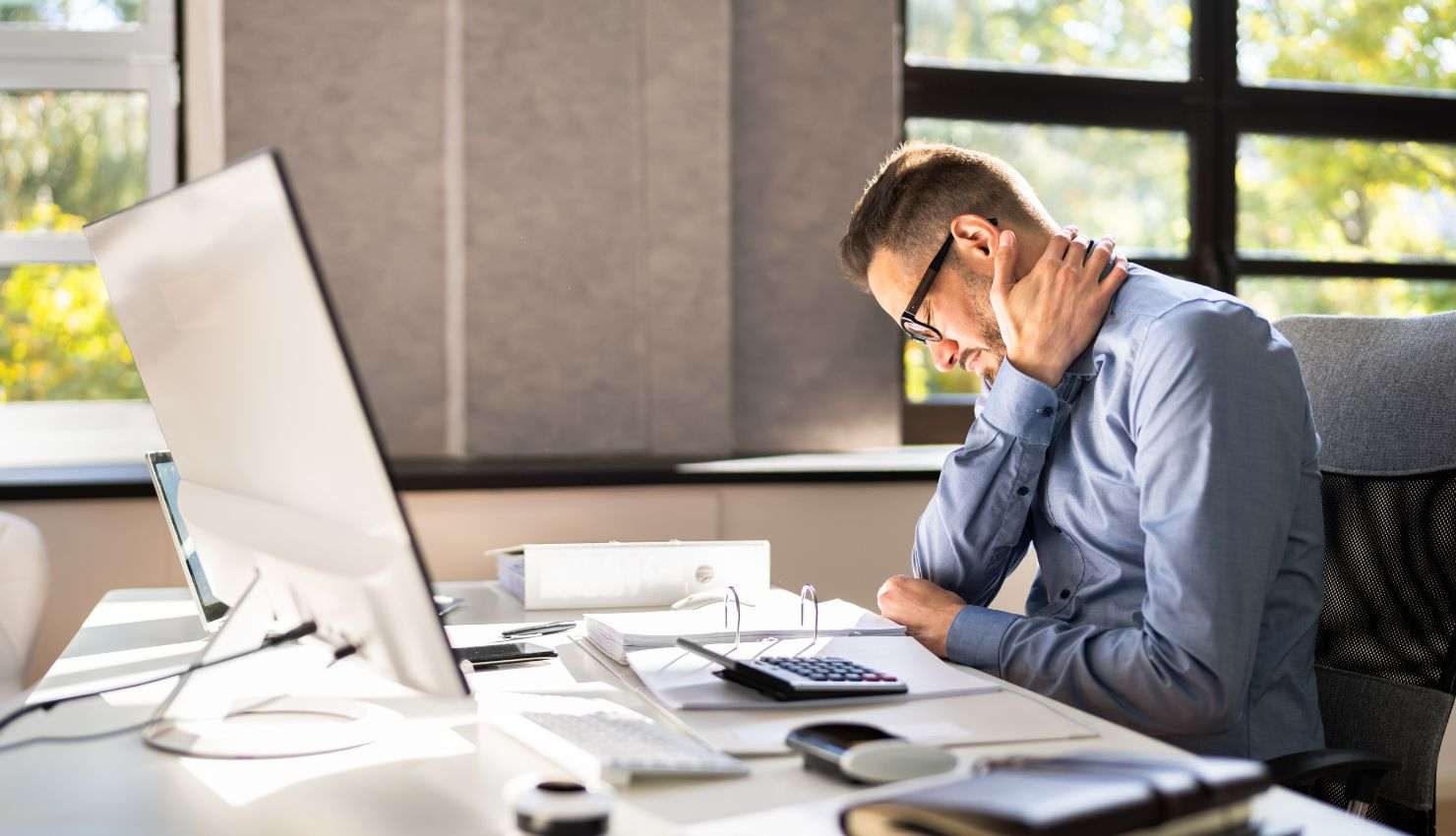
Students across Canada, from elementary school to university, carry heavy bags nearly every day. Whether it’s textbooks, laptops, or sports gear, the weight can quickly add upoften exceeding healthy limits for developing spines and joints. Over time, this load leads to postural imbalances, muscle strain, and in some cases, chronic pain.
While academic success is a priority, physical well-being shouldnt come at its expense. Posture plays a critical role in a student’s physical health and long-term musculoskeletal function. Understanding how heavy bags affect alignmentand knowing how to counteract these effectsis essential for students, parents, and educators alike.
The Postural Toll of Carrying Heavy Bags
Carrying an overloaded bag dailyespecially incorrectlyforces the body into unnatural positions. The most common consequence is forward head posture, rounded shoulders, and increased curvature of the upper spine. These misalignments not only create discomfort but also strain the neck, shoulders, and lower back.
Some common postural issues caused by heavy schoolbags include:
Uneven shoulders from one-sided carrying
Forward-leaning head and neck posture to compensate for weight
Pelvic misalignment due to shift in center of gravity
Muscle fatigue and soreness in the trapezius, lumbar spine, and hip flexors
Compressed chest that can affect breathing patterns
For younger students, these imbalances are particularly concerning. Their bones and muscles are still developing, making them more vulnerable to long-term dysfunction.
Risk Factors: Why Some Students Are More Vulnerable
Postural strain from heavy bags isnt just about the bag itselfits also about how the body reacts. Several factors can increase the risk:
Bag weight exceeding 1015% of body weight
Wearing the bag on one shoulder only
Poor backpack design with minimal back support or narrow straps
Sedentary classroom routines that compound misalignment
Weak core and shoulder stabilizers that cant support the load
For students already experiencing musculoskeletal pain, poor posture habits linked to heavy bags may delay recovery and reduce the effectiveness of physiotherapy interventions.
The Link Between Heavy Bags and Pelvic Health in Adolescents
Though pelvic floor dysfunction is more commonly discussed in adult populations, early postural misalignments in teensespecially girlscan affect the alignment of the pelvis and the function of the pelvic floor later in life.
When the spine rounds and the pelvis tilts in response to a heavy load, it can disrupt the muscle balance between the deep core, glutes, and pelvic floor. This sets the stage for compensation patterns that may evolve into chronic dysfunctions in adulthood.
For adolescent girls who may later experience pregnancy, menstruation-related pain, or early pelvic floor issues, posture education is not optionalits foundational.
Posture-Saving Strategies for Students
Addressing the root causes of poor posture in students means combining practical ergonomic adjustments with supportive body mechanics. Here are evidence-informed posture tips for reducing the harmful effects of heavy bags:
1. Choose the Right Backpack Design
Wide, padded shoulder straps to distribute weight evenly
Adjustable sternum and waist straps to stabilize the load
Multiple compartments to organize weight close to the spine
Breathable, padded back panel for comfort and support
Encourage students to adjust both shoulder straps each time the bag is worn. A backpack that hangs too low pulls the upper spine into a hunched position.
2. Pack Smart: Lighten the Load
Carry only whats needed for the day
Store extra books in lockers or classroom shelves when possible
Use digital notes or devices to reduce physical load
Distribute weight evenlyheavier items should be placed closest to the back panel
A physiotherapist can guide students in identifying unnecessary weight and optimizing bag contents.
3. Alternate Carrying Techniques (With Caution)
Though double-shoulder carrying is best, when this isnt possible, alternate sides frequently to avoid overloading one side of the body. Crossbody bags or single-shoulder totes should be used sparingly.
4. Strengthen Posture-Stabilizing Muscles
Core muscles (transverse abdominis, obliques)
Shoulder stabilizers (serratus anterior, rhomboids)
Hip and glute muscles (gluteus medius and maximus)
Building strength in these areas helps students maintain upright posture even with a moderate load. Physiotherapists often include postural strength training in student-specific rehab programs.
5. Stretch Regularly to Undo the Damage
Students should be taught to stretch key tight muscle groups each day:
Chest (pectorals) to counter rounded shoulders
Hip flexors to reduce anterior pelvic tilt
Hamstrings and calves to support spinal alignment
Neck extensors to relieve forward head posture
Daily stretching, even for five minutes, can dramatically reduce tension and realign the body after a long day of carrying and sitting.
How Physiotherapy Can Help Students With Postural Strain
At YourFormSux, we see a growing number of studentsespecially adolescentsdealing with postural pain, fatigue, and even early signs of disc compression or joint instability. Physiotherapy offers a proactive, personalized approach to:
Assessing postural imbalances caused by carrying habits
Teaching safe bag-wearing techniques and core control
Prescribing corrective exercises tailored to the students needs
Preventing future injuries through posture education
We focus not just on treating pain, but on empowering young people with the tools they need to move well for life.
Setting the Foundation Early
Posture is not just about appearanceits about how efficiently the body functions, moves, and heals. For students, the weight of academic life should never include the burden of long-term pain or dysfunction. With simple, consistent habits and proper guidance, they can build strength and awareness that lasts a lifetime.
At YourFormSux, were proud to support Canadian families in creating posture-positive routines from the classroom to the sports field. Whether your child is in primary school or prepping for university, our pelvic health and movement experts can help them stand tall, carry smart, and stay pain-freeone backpack at a time.