When it comes to seated posture, the type of seat you choose plays a critical role in how your spine, pelvis, and core function throughout t…

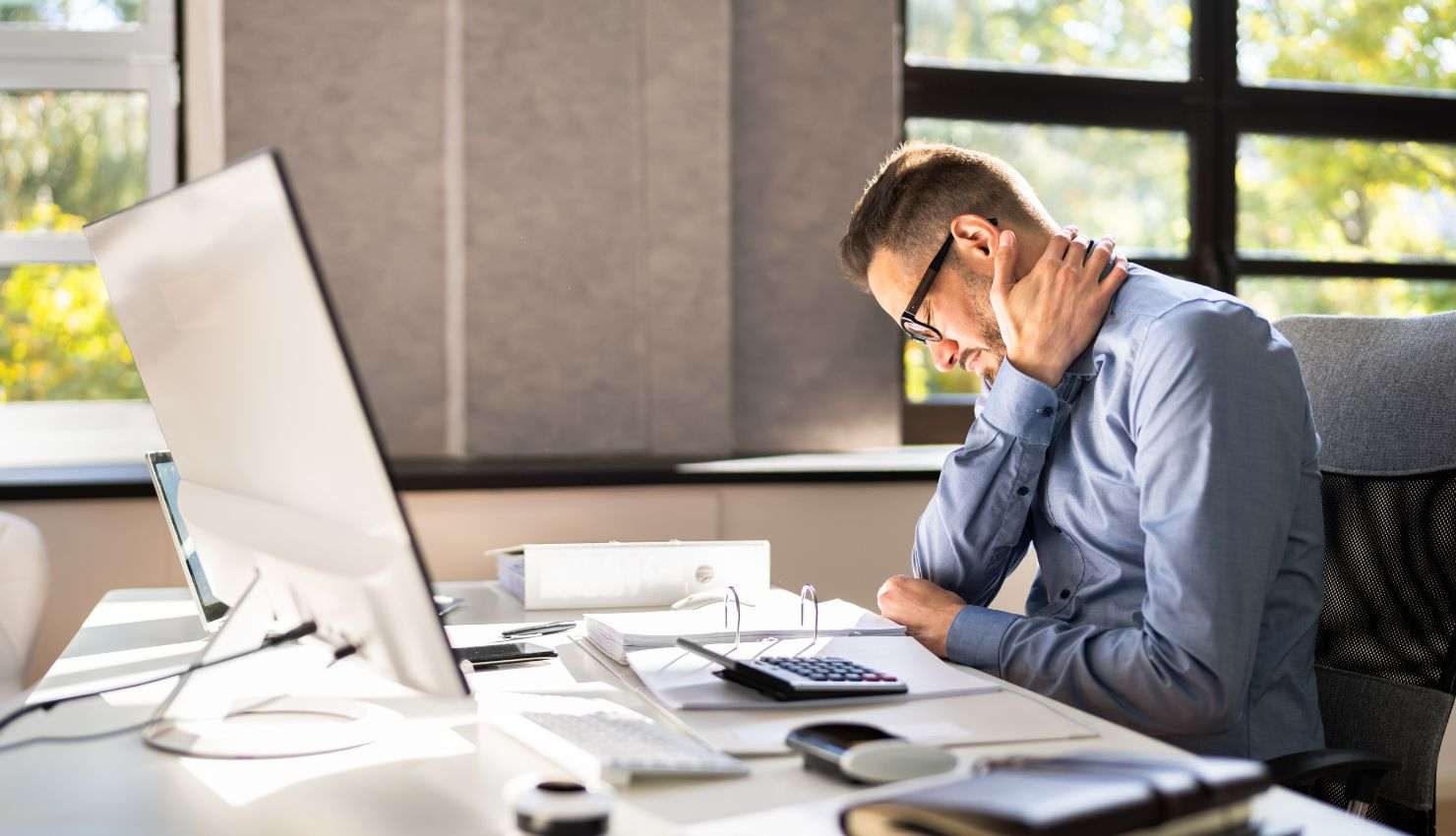
When it comes to seated posture, the type of seat you choose plays a critical role in how your spine, pelvis, and core function throughout the day. The long-standing debate between traditional office chairs and exercise balls often centers on which better promotes spinal alignment, core strength, and overall comfort. For women who sit for extended hourswhether postpartum, working remotely, or managing chronic painselecting the right seating tool can significantly affect posture and pelvic health.
This blog compares office chairs and exercise balls from a physiotherapists perspective, with a focus on postural support, spinal alignment, and pelvic floor engagement. We’ll break down the pros and cons of each and offer clear guidance to help you choose the best option for your body and lifestyle.
Why Seated Posture Matters
Sitting may seem passive, but it places considerable load on the lumbar spine and pelvic structures. Over time, unsupported sitting can lead to rounded shoulders, forward head posture, slouched hips, and a disengaged core. These misalignments are not just uncomfortablethey can cause long-term damage to spinal discs, pelvic floor muscles, and breathing mechanics.
For optimal seated posture, your pelvis should be in a neutral position, your lumbar spine supported, and your head aligned with your shoulders. Maintaining this posture for hours requires a combination of ergonomic support and muscular endurance.
Long tail keywords: best chair for posture support, exercise ball vs office chair for back pain, pelvic alignment during sitting, ergonomic seating for women, physiotherapy tips for better posture.
Traditional Office Chair: Stability and Support
Advantages:
Lumbar Support
Quality office chairs come with built-in lumbar cushions or adjustable backrests that support the natural curve of the lower back, reducing spinal fatigue.
Adjustability
You can often modify seat height, armrests, and tilt settings, which allows customization based on your height and work setupkey to avoiding knee or hip misalignment.
Consistent Comfort
Office chairs provide a stable, supportive base that doesnt challenge your muscles but keeps your body in a reasonably neutral position throughout the day.
Drawbacks:
Passive Posture
Sitting in a well-padded chair may promote slouching or leaning if not used mindfully, which can disengage the core and strain the spine.
Reduced Muscle Engagement
Office chairs dont stimulate deep stabilizers like the transverse abdominis or pelvic floor muscles, which are essential for postural control and spinal health.
Short tail keywords: office chair posture, lumbar support, ergonomic chair Canada, best office chair for women.
Exercise Ball: Active Engagement, But With Caveats
Advantages:
Activates Core Muscles
Sitting on an unstable surface like an exercise ball requires constant micro-adjustments, which engage the core, hips, and pelvic stabilizers.
Encourages Upright Spine
The lack of back support promotes a more upright positionprovided you maintain awareness of your posture.
Promotes Movement
Small shifts and bounces on the ball improve blood circulation, reduce muscle stiffness, and prevent long periods of static sitting.
Drawbacks:
Lack of Support
Without back or arm support, prolonged use can lead to fatigue and slouching, especially if your core muscles are not adequately conditioned.
Pelvic Misalignment Risk
If the ball is the wrong height or not inflated properly, it can tilt your pelvis forward or backward, stressing the lumbar spine and pelvic floor.
Not Ideal for Long Hours
Exercise balls are best used in short bursts20 to 30 minutes at a timerather than as a full-time replacement for a chair.
Short tail keywords: exercise ball sitting, core engagement posture, physiotherapy for pelvic health, spine alignment tips.
Physiotherapists Recommendation: Balance and Strategy
For most womenespecially those recovering from childbirth, managing pelvic floor dysfunction, or sitting for long hoursa traditional ergonomic chair with good lumbar support is the best long-term option. However, incorporating short periods of exercise ball sitting can be an effective way to activate underused muscles and train postural awareness.
Ideal Strategy:
Use an ergonomic office chair as your primary seat
Add a lumbar cushion for added spinal support
Use an exercise ball for short, focused sessions (e.g., 20-minute intervals twice a day)
Perform postural stretches and core activation exercises during breaks
Seek physiotherapy guidance for personalized alignment and support plans
At YourFormSux, we help women in Canada correct seated posture through a combination of ergonomic coaching, pelvic physiotherapy, and spinal alignment techniques. Our goal is to teach you how to sit smarter, move better, and prevent postural collapse before it starts.
Who Benefits Most from Each Option?
Choose an Office Chair If You:
Sit more than 46 hours a day
Have a history of low back or pelvic pain
Need consistent support while working
Are postpartum and rebuilding core stability
Use an Exercise Ball If You:
Want to improve core endurance
Need variety in your seating routine
Can stay aware of alignment while sitting
Use it in combination with physiotherapy-led core training
Conclusion: Posture Is More About Practice Than the Chair
Theres no perfect seatonly better habits. An ergonomic office chair offers comfort and support for long workdays, while an exercise ball adds dynamic movement and core activation in short doses. The best results come from using both strategically, combined with physiotherapy to ensure proper alignment, breath coordination, and muscular balance.
At YourFormSux, we believe posture is foundational to womens healthfrom the spine to the pelvic floor. Whether you sit at a desk or bounce on a ball, our expert-led programs help you sit well, move well, and feel strong from the inside out. If your seat isnt supporting your health, its time to take chargebecause every hour you sit should support your spine, not stress it.