Postural alignment is more than just keeping your shoulders back and spine straightits about building a stable foundation from the ground …

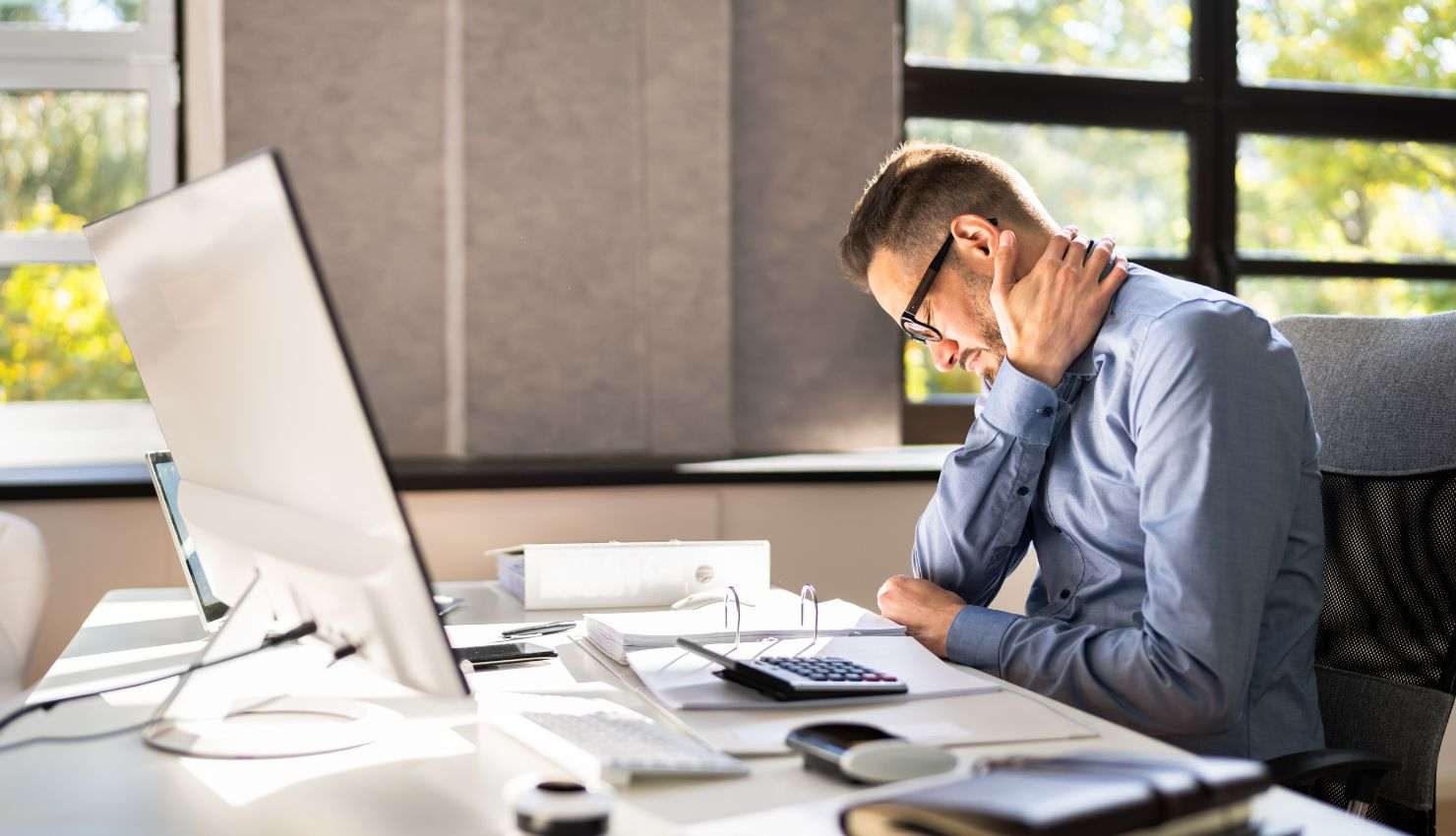
Postural alignment is more than just keeping your shoulders back and spine straightits about building a stable foundation from the ground up. At the core of this foundation lie the gluteal muscles, commonly known as the glutes. These powerhouse muscles do far more than shape the body. They play a critical role in hip stability, pelvic alignment, and spinal support, all of which influence posture in motion and at rest.
When the glutes are weak or underactivea condition often exacerbated by prolonged sitting or poor movement habitspostural dysfunction follows. At YourFormSux (YFS), physiotherapists frequently see the connection between inactive glutes and postural misalignments that lead to low back pain, pelvic instability, and poor recovery from musculoskeletal injuries. Understanding the role of the glutes in postural control is essential for anyone seeking to improve alignment, reduce pain, and support long-term musculoskeletal health.
Why the Glutes Matter for Posture
The glutes are made up of three primary muscles: gluteus maximus, gluteus medius, and gluteus minimus. Together, they perform critical functions in upright movement, including:
Hip extension and rotation
Pelvic stabilization
Weight distribution during walking, running, and standing
Support of the lumbar spine
When working correctly, the glutes keep the pelvis level, the spine aligned, and the lower body balanced. But when these muscles are inactivedue to sedentary behavior, injury, or muscular imbalancesother muscles like the lower back, hamstrings, or hip flexors compensate. Over time, this compensation leads to postural deviations and pain.
Common Signs of Weak or Inactive Glutes
Gluteal weakness or inactivity is widespread, especially in modern sedentary lifestyles. Physiotherapists often observe these patterns in individuals presenting with postural complaints:
Anterior pelvic tilt (where the pelvis tips forward, increasing lower back curve)
Knee valgus (knees caving inward)
Low back pain or tightness after sitting or standing
Hip instability or clicking
Poor core engagement during functional movements
Weak glutes often go unnoticed because other muscles step in to helpbut this short-term solution can quickly turn into long-term dysfunction.
The Glutes and Pelvic Alignment
Pelvic alignment is at the center of good posture, and the glutes play a stabilizing role in maintaining it. The gluteus medius, in particular, prevents the pelvis from dropping during single-leg activities like walking or climbing stairs. When it’s weak, the pelvis shifts side to side, causing lateral spinal deviation or overuse in surrounding muscles. This lateral instability not only disrupts spinal alignment but also stresses the pelvic floor and core, which must compensate for the lack of hip control.
In women managing pelvic health conditionslike prolapse, incontinence, or postpartum recoveryglute activation becomes even more essential. Without strong glutes to support the pelvis, pressure builds in the lower spine and pelvic floor, increasing symptoms and delaying healing. Strengthening the glutes helps restore pelvic neutrality, creating a foundation that allows core and pelvic floor muscles to function optimally.
Glute Engagement in Functional Posture
True postural support happens during movement. Whether you’re walking, standing in line, picking up a child, or working at a desk, your glutes should be engaged to keep your pelvis and spine in alignment.
Here’s how active glutes support posture in everyday movements:
Standing: Engaged glutes prevent lower back sway and encourage upright posture.
Walking: They stabilize each hip as the opposite leg swings, keeping the pelvis level.
Lifting: Strong glutes reduce strain on the lumbar spine by generating power from the hips.
Sitting: Activated glutes create a stable base, reducing slouching and pelvic collapse.
Without conscious engagement and strength in these muscles, posture becomes passiverelying on bones and joints rather than muscle controlleading to discomfort and dysfunction.
How Physiotherapy Helps Activate and Strengthen Glutes
At YFS, glute function is a cornerstone of physiotherapy for posture correction, pelvic health, and injury recovery. Physiotherapists assess not only glute strength but also how and when these muscles activate during movement. For many patients, the issue isnt just weaknessits poor neuromuscular coordination.
A physiotherapy program may include:
Activation drills to retrain proper firing of the glutes, especially the gluteus medius
Postural correction exercises that integrate glute engagement into standing, walking, and lifting
Manual therapy to release overactive muscles (like hip flexors) that inhibit the glutes
Customized strength training to build endurance in the glutes for long-term support
Glute strengthening is not about achieving muscular sizeits about function. Even subtle increases in activation can dramatically improve postural alignment and reduce pain.
Best Exercises to Support Glute-Driven Posture
These are a few evidence-informed exercises that physiotherapists often recommend for supporting posture through glute activation:
Glute Bridges: Lie on your back with knees bent, lift your hips while squeezing the glutes, and hold for several seconds. Focus on controlled engagement.
Clamshells: Lying on your side, bend knees and lift the top knee while keeping feet together. Targets the gluteus medius.
Side-Lying Leg Raises: With hips stacked, lift the top leg slowly and with control to activate the lateral hip.
Wall Sits: Builds endurance in glutes and thighs while reinforcing upright spine and pelvic positioning.
Step-Ups: Focus on driving through the heel to activate the glutes during the lift.
For lasting postural changes, these exercises should be integrated into a broader full-body mobility and strength program, ideally guided by a physiotherapist.
Building Postural Strength from the Hips Up
Your glutes are not just passive supportersthey are active architects of healthy posture. Ignoring their role means building a postural strategy on an unstable foundation. When activated and strengthened, the glutes contribute to a more aligned pelvis, a balanced spine, and an efficient movement system.
At YourFormSux, we help individuals across Canada reclaim functional posture through targeted glute activation, movement retraining, and pelvic health physiotherapy. Whether you’re recovering from injury, navigating postpartum changes, or aiming to feel stronger in your body, dont underestimate the power of your glutes. They are the quiet giants behind every confident, pain-free posture.