Crossing your legs might seem like a harmless and even comfortable sitting position, but when it becomes a long-term habit, it can silently …

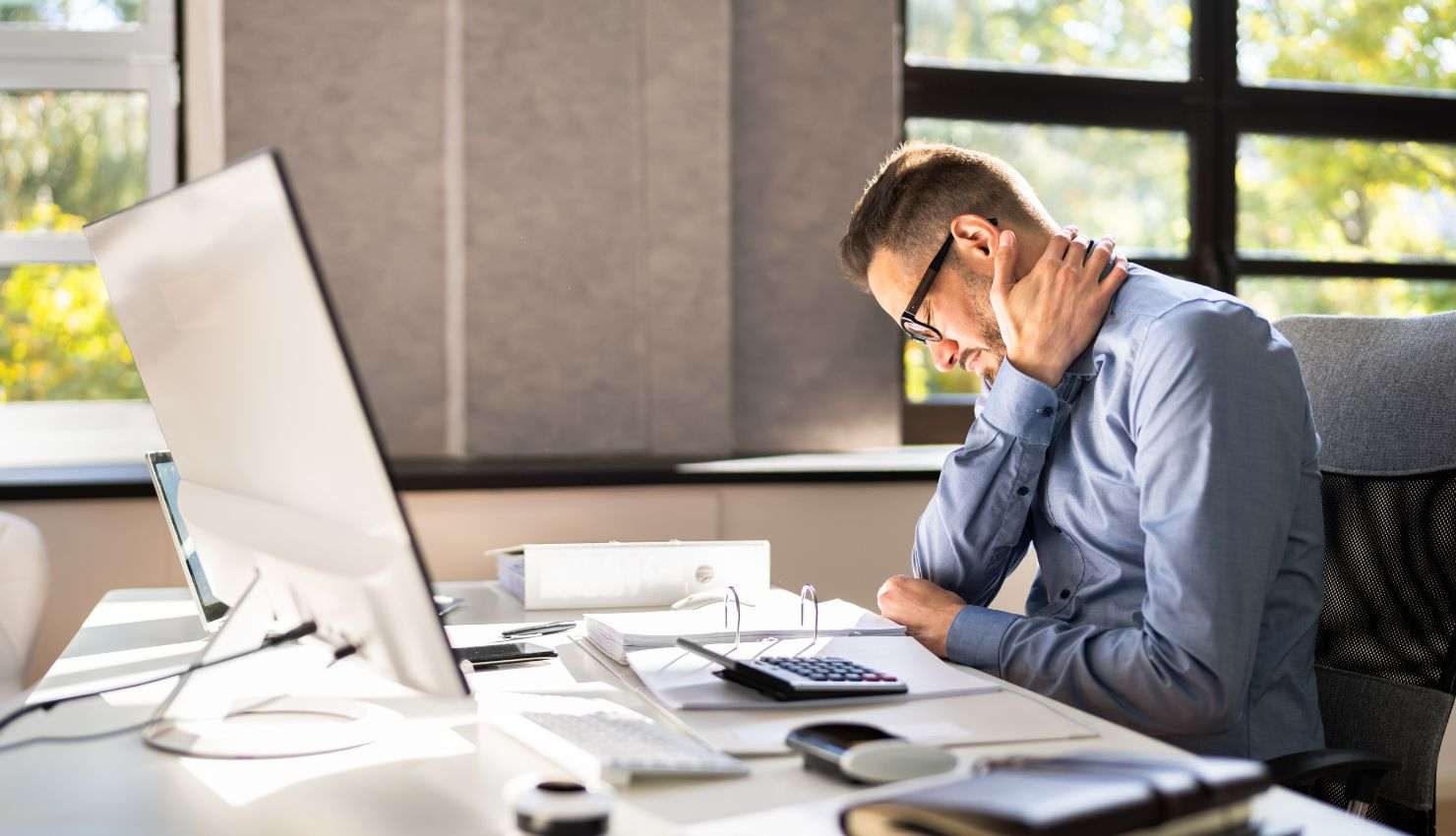
Crossing your legs might seem like a harmless and even comfortable sitting position, but when it becomes a long-term habit, it can silently contribute to serious postural misalignments and pelvic floor issues. Whether you’re working at a desk, relaxing at home, or sitting in meetings, the way you position your legs has a direct impact on spinal health, hip alignment, and pelvic stabilityespecially for women.
At YourFormSux (YFS), we see countless women across Canada dealing with musculoskeletal pain, pelvic floor dysfunction, and postural strain rooted in everyday sitting habits. One of the most common and overlooked habits? Crossing the legs. This blog breaks down the real impact of this posture and what you need to know if you’re trying to improve alignment, reduce pain, and strengthen your pelvic floor.
Why We Cross Our Legs in the First Place
Leg crossing can be subconscious, cultural, or comfort-based. Many women are taught from a young age to sit with crossed legs as a sign of etiquette. For others, it simply feels more relaxed than sitting with both feet flat on the floor. But what feels good in the moment may not be good for long-term musculoskeletal alignment.
Over time, habitual leg crossing leads to asymmetry in muscle use, joint positioning, and load distributionall of which play a role in how your spine, pelvis, and hips function.
What Happens When You Cross Your Legs Too Often
Crossing the legs, especially for extended periods, creates uneven stress on the body. While one-off movements arent harmful, repeated asymmetry leads to misalignment and muscle compensation. Here’s what actually happens to your body:
1. Pelvic Rotation and Tilt
Crossing one leg over the other shifts the pelvis out of neutral alignment. This rotation or tilt can create uneven pressure on the sacroiliac joints and strain the lower back and pelvic floor muscles. Over time, this becomes a habitual posture pattern, affecting how your hips and spine move and stabilize.
2. Hip Imbalance and Muscle Tightness
Crossed legs encourage tightness in the hip adductors (inner thighs) and the piriformis muscle, while overstretching the gluteal muscles on the opposite side. This imbalance reduces hip stability and affects your ability to engage core and pelvic floor muscles properly.
3. Spinal Misalignment
Your spine adapts to your base. If one hip is elevated due to crossed legs, the spine compensates with a curve to keep the head level. This can lead to chronic tension in the mid and upper back, as well as neck pain and poor posture habits.
4. Circulation Restriction
Crossing your legs compresses blood vessels behind the knees, which can impair circulation. For women prone to varicose veins or swelling, this can exacerbate symptoms.
5. Pelvic Floor Dysfunction
Pelvic asymmetry interferes with how pelvic floor muscles contract and relax. This is particularly concerning for postpartum women, those with prolapse, or anyone dealing with bladder urgency or incontinence. The imbalanced posture creates uneven tension across the pelvic floor, affecting function and symptom relief.
Common Signs That Leg-Crossing Is Affecting Your Alignment
Many women don’t realize their discomfort is related to habitual sitting posture. Here are some red flags that your crossed-leg habit may be taking a toll:
One hip feels tighter or higher than the other
You often feel more tension on one side of the lower back
You notice asymmetry in how you stand or walk
You experience frequent hip, knee, or sacral pain
Pelvic floor exercises feel easier or harder on one side
You tend to cross the same leg every time without thinking
These small clues often point to deeper postural habits formed by consistent, repetitive positions like leg crossing.
How to Sit Smarter (and Still Feel Comfortable)
Breaking the crossed-leg habit doesnt mean discomfort or awkward posture. Its about training your body into neutral, supported positions that reinforce symmetry and ease.
Heres how to improve sitting posture:
Keep both feet flat on the floor, with knees at a 90-degree angle.
Align knees with hips, and avoid leaning weight to one side.
Use a footrest if your chair height prevents full foot contact with the floor.
Engage your core lightly to support your lower spine without bracing.
Switch positions often, ideally every 30 to 45 minutes to avoid stiffness or fatigue.
If you feel tempted to cross your legs, alternate sides and limit the duration. Use it as a signal to stand up, stretch, or do a quick posture reset.
Correcting the Effects of Habitual Leg Crossing
If you’ve been crossing your legs for years, its not too late to undo the effects. With awareness, movement, and targeted physiotherapy, your alignment can improve. At YourFormSux, we help women:
Realign the pelvis through manual therapy and movement training
Strengthen gluteal and deep core muscles for pelvic balance
Improve symmetry in hip mobility and posture
Restore pelvic floor function through alignment-based physiotherapy
Postural changes take time, but consistent awareness and support lead to long-term improvements in comfort, strength, and pelvic health.
Your Legs, Your Posture, Your Choice
Crossing your legs isn’t inherently bad, but habitual and prolonged asymmetry creates real consequences for alignment, stability, and pelvic function. For women seeking long-term wellnesswhether recovering from childbirth, managing incontinence, or simply working on better postureuncrossing the legs is a powerful and immediate step in the right direction.
At YourFormSux, we equip Canadian women with practical, body-smart strategies that work in real lifenot just in the clinic. Awareness is the first step. The next is support, education, and movement that respects how your body is built to heal.