Athletes at every levelfrom recreational weekend warriors to elite professionalsrely on…

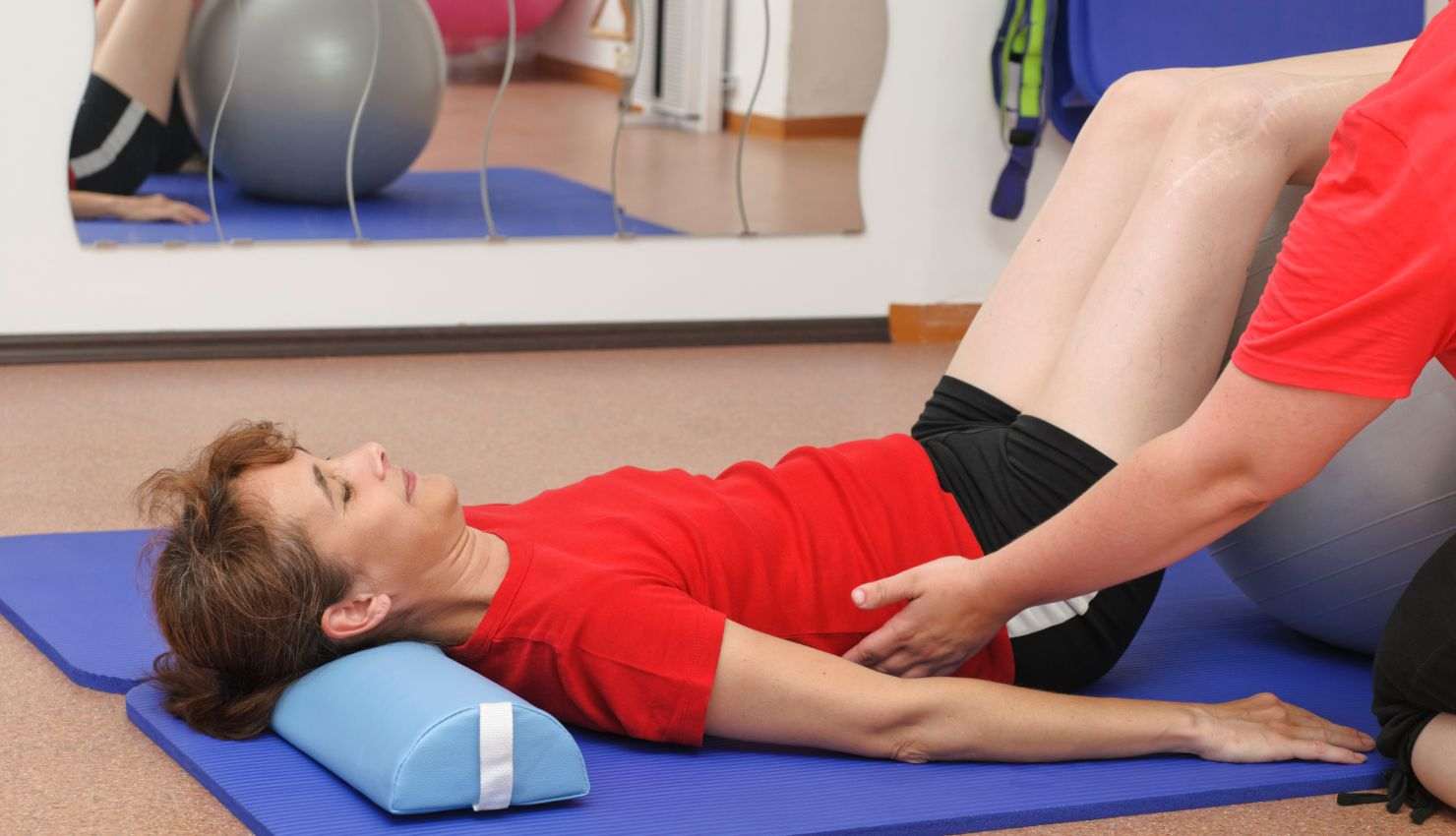
Athletes at every levelfrom recreational weekend warriors to elite professionalsrely on their bodies to perform with precision, power, and consistency. Yet even the most finely tuned bodies are vulnerable to injury, muscular imbalance, and overuse syndromes. This is where movement-based therapy becomes an indispensable tool in athletic physiotherapy.
At Your Form Sux, we integrate advanced movement-based protocols into physiotherapy programs tailored for athletes in Canada. This article explores the benefits of this targeted approach and how it enhances athletic performance, prevents injuries, and accelerates recovery.
What Is Movement-Based Therapy?
Movement-based therapy is a physiotherapy modality that emphasizes functional, dynamic exercises aimed at correcting biomechanics, improving neuromuscular coordination, and optimizing kinetic chain performance. Unlike passive treatments, which focus on symptom relief, movement therapy addresses the root causes of dysfunction through active engagement and repetitive movement training.
Why Athletes Need Movement-Based Therapy
Athletic performance is grounded in movement efficiency. Every sprint, jump, tackle, swing, or shot relies on the bodys ability to move correctly through a full range of motion under load. When even a small component of the movement chain is compromised, performance drops and injury risk increases.
Movement-based therapy provides athletes with:
Restoration of correct movement patterns
Reinforcement of sport-specific biomechanics
Enhanced muscular balance and joint stability
Injury mitigation through prehabilitation
Accelerated recovery timelines post-injury
This methodology also supports long-term athletic development, enabling athletes to extend their careers and reduce downtime.
Key Benefits for Athletic Populations
1. Injury Prevention and Risk Reduction
Injury prevention is a cornerstone of any athlete’s training plan. Movement therapy addresses asymmetries, compensations, and poor motor control before they evolve into injuries.
Examples include:
Correcting hip-knee-foot alignment in runners
Activating stabilizers around the shoulder girdle in swimmers
Reinforcing posterior chain engagement in lifters
Preventive movement programs improve proprioception, stability, and joint integritykeeping athletes on the field, not on the sidelines.
2. Improved Recovery After Injury
For injured athletes, movement-based physiotherapy is a key part of early-stage and progressive rehabilitation. Initiating safe, guided movement shortly after injury maintains tissue health, preserves neural pathways, and accelerates tissue remodeling.
Rehabilitation examples:
ACL repair: progressive closed-chain kinetic exercises to rebuild strength and movement control
Rotator cuff injuries: active assisted range of motion and scapular stabilization drills
Hamstring strains: eccentric loading and neuromuscular re-patterning
Athletes recover faster when movement is reintroduced systematically and intelligently.
3. Enhanced Performance Outcomes
Movement-based therapy isnt just for injury; its a performance optimization strategy. It enables better biomechanical efficiency, reduces energy leaks, and improves kinetic chain synchronization.
Performance benefits include:
Increased stride length and ground contact control in sprinters
More explosive hip drive in jumpers and lifters
Sharper change-of-direction speed in field athletes
Therapists use movement screening tools like the Functional Movement Screen (FMS) and sport-specific tests to pinpoint limitations and unlock performance potential.
4. Personalized Movement Strategy
No two athletes move the same. Movement-based physiotherapy accounts for sport demands, injury history, training age, and unique anatomical structures. At Your Form Sux, we design customized programs that reflect the realities of your sport.
This includes:
Multiplanar drills for basketball players
Rotational movement conditioning for baseball and golf
Plyometric progression planning for volleyball or soccer
Such specificity ensures that movement gains translate directly to in-game improvements.
Long-Term Athletic Development (LTAD) and Movement
In Canada, the Long-Term Athlete Development (LTAD) framework emphasizes movement quality at all levelsfrom youth athletes to Olympians. Movement-based therapy aligns perfectly with these principles, supporting:
Early-stage motor skill acquisition
Youth injury prevention during growth spurts
Efficient transition from general training to sport-specific performance
Through consistent and progressive movement therapy, athletes build a durable foundation for lifelong physical activity and competitive longevity.
When Should Athletes Use Movement-Based Therapy?
Movement-based physiotherapy is beneficial across the full athletic lifecycle:
Pre-season: Identify and correct faulty patterns before intense training resumes
In-season: Maintain mobility and strength amidst competition stressors
Post-injury: Regain movement control and full function post-rehabilitation
Off-season: Focus on foundational corrections and address chronic imbalances
Whether youre rehabbing or refining your edge, strategic movement interventions keep you progressing.
Why Choose Your Form Sux for Athlete Movement Therapy?
At Your Form Sux, our therapists specialize in sport-specific physiotherapy, integrating clinical expertise with modern movement science. Our facility offers:
One-on-one athlete assessments
Movement screening and diagnostics
Progressive, sport-aligned movement protocols
Integrated recovery tools and mobility training
We work closely with coaches, trainers, and sport physicians to create a collaborative ecosystem for your performance success.
Final Word: Movement Is Performance
For athletes, movement isnt optionalits the game. Movement-based therapy offers a proactive, data-driven, and results-oriented way to train smarter, recover faster, and stay in the game longer.
If you’re an athlete in Canada looking to level up your performance or avoid setbacks, book a consultation at Your Form Sux and lets build a stronger, smarter movement system around your body.