Post-surgical recovery is a critical phase that determines how well a patient regains stre…

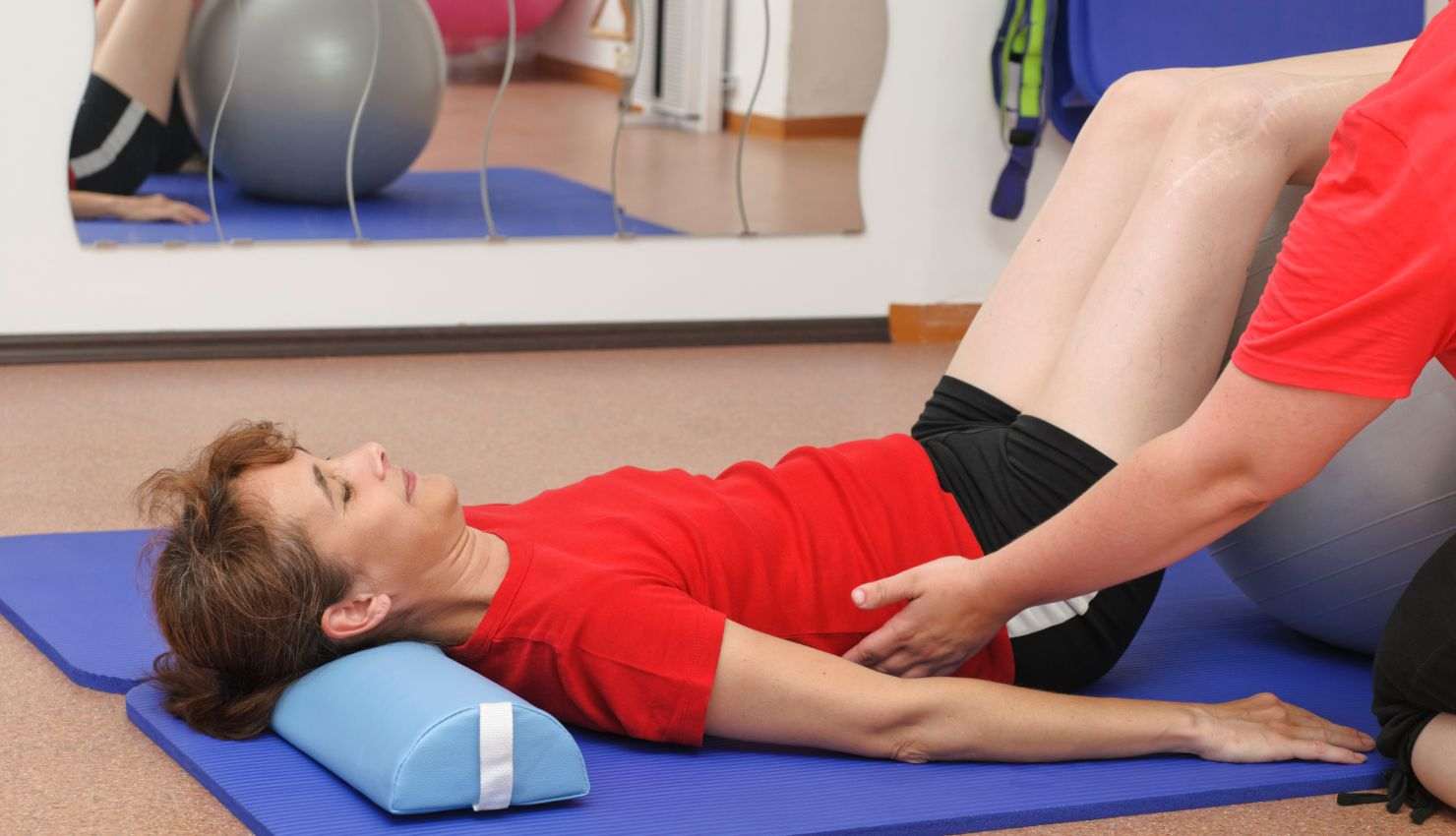
Post-surgical recovery is a critical phase that determines how well a patient regains strength, mobility, and functional independence. While rest and wound healing are essential, prolonged inactivity can lead to muscle atrophy, joint stiffness, and functional setbacks. Thats where movement therapy in physiotherapy becomes a game-changer. At Your Form Sux, we utilize targeted, evidence-based movement strategies to accelerate healing and improve outcomes after surgery.
This blog unpacks how movement therapy supports post-surgery rehabilitation, the clinical rationale behind its effectiveness, and how a structured plan can help you return to full activity safely and efficiently.
Understanding Movement Therapy in a Post-Surgical Context
Movement therapy involves structured, progressive, and purposeful physical activity designed to restore mobility, strength, and control following surgical interventions. In a post-op setting, it is customized to your surgical procedure, healing timeline, and physical capacity.
It may begin with gentle mobility and range-of-motion exercises and gradually advance to functional strengthening and neuromuscular re-education. The key is to stimulate tissue healing without overloading ita balance that trained physiotherapists at Your Form Sux manage meticulously.
The Science Behind Post-Surgical Movement
Surgical procedureswhether orthopedic, spinal, or soft-tissuecreate controlled trauma that the body must recover from. Movement therapy facilitates this recovery by:
1. Preventing Joint Stiffness and Muscle Wasting
Early mobilization improves circulation, prevents adhesions, and maintains joint mobility. Prolonged immobilization often leads to contractures or joint stiffness, especially in shoulders, knees, and hips.
2. Improving Circulation and Lymphatic Flow
Light, guided movement stimulates blood flow to injured tissues and promotes drainage of excess fluids, reducing post-operative swelling and inflammation. This supports tissue regeneration and collagen alignment, leading to more functional scar tissue.
3. Rebuilding Strength and Stability
After surgery, surrounding muscles can weaken quickly. Movement therapy helps restore muscular strength, endurance, and dynamic control to prevent future injury and support the healing structure.
4. Enhancing Neuromuscular Control
Surgeries can disrupt proprioception and motor control. Re-educating the brain-muscle connection ensures smoother, safer movements, critical for complex joints like the shoulder, spine, or knee.
5. Managing Pain without Overreliance on Medication
Therapeutic movement releases endorphins and activates descending pain inhibition pathways, offering natural pain relief. It reduces the need for opioids or anti-inflammatory drugs during recovery.
Surgeries That Benefit Most from Movement Therapy
Movement therapy is beneficial across a wide range of surgical procedures, including:
Knee surgeries: ACL reconstruction, meniscectomy, total knee replacement
Shoulder surgeries: rotator cuff repair, labral tear repair, subacromial decompression
Spinal surgeries: discectomy, laminectomy, spinal fusion
Hip surgeries: total hip replacement, arthroscopic labral repair
Abdominal or pelvic surgeries: C-section, hysterectomy, hernia repair
Fracture fixation surgeries: post-casting or internal fixation with plates and screws
Each procedure has a unique protocol, and movement therapy timelines differbut the principles of graduated loading, mobility restoration, and functional retraining apply universally.
What Post-Surgery Movement Therapy Looks Like
At Your Form Sux, our movement-based recovery plans are tailored to your surgical protocol and healing stage. Here’s a general progression:
Phase 1: Protection and Gentle Mobility
Isometric activation (engaging muscles without movement)
Passive or assisted range-of-motion work
Swelling and scar management through positioning and movement
Phase 2: Active Mobilization and Muscle Re-engagement
Active range-of-motion and light resistance exercises
Core and stabilizer muscle retraining
Balance and proprioception drills
Phase 3: Strength Building and Functional Training
Resistance training with bands, weights, or bodyweight
Endurance and gait retraining
Reintroduction to daily activities and sport-specific tasks
Every movement is prescribed with surgical precautions in mindavoiding excessive tension on healing tissues while gradually restoring full function.
Benefits of Early Movement Therapy After Surgery
Incorporating movement therapy early in your recovery journey offers several evidence-backed benefits:
Shorter recovery timelines
Reduced risk of post-surgical complications such as deep vein thrombosis or pneumonia
Better functional outcomes and return to normal activity
Improved patient confidence and quality of life
Lower incidence of chronic pain or stiffness due to immobility
Moreover, movement therapy significantly reduces the risk of developing compensatory movement patterns that can cause future injury or dysfunction.
Your Role in the Recovery Process
One of the biggest advantages of movement-based physiotherapy is patient empowerment. Instead of relying solely on passive modalities or waiting for healing to “happen,” you become an active participant in your own recovery. The physiotherapy team at Your Form Sux will not only guide you through each phase but also educate you on proper form, pacing, and progress tracking.
Compliance is criticalpatients who adhere to movement therapy regimens recover faster, experience fewer setbacks, and gain confidence in their bodies capabilities post-surgery.
Choosing the Right Physiotherapy Partner in Canada
Effective post-operative movement therapy requires expertise, personalization, and evidence-driven programming. At Your Form Sux, our registered physiotherapists are trained in post-surgical protocols and understand the nuances of healing timelines. We coordinate directly with your surgeon’s recommendations to deliver a seamless, safe recovery experience.
Our clinic focuses on:
Functional strength and mobility restoration
Education-based rehabilitation strategies
Pain management through active movement
Personalized home programs to extend therapy beyond the clinic
Final Takeaway: Movement Is the Key to Functional Healing
Movement therapy is not just about exercising after surgeryit’s about rebuilding a foundation for long-term health. With the right guidance, timing, and technique, movement becomes your most powerful tool in reclaiming strength, mobility, and independence after surgery.
If youve recently undergone surgery or are preparing for one, Your Form Sux is here to help you move smarter, heal faster, and return stronger. Book your personalized post-surgical physiotherapy consultation today and take the first active step in your recovery journey.