Movement therapy, also known as therapeutic movement or somatic therapy, is an approach th…

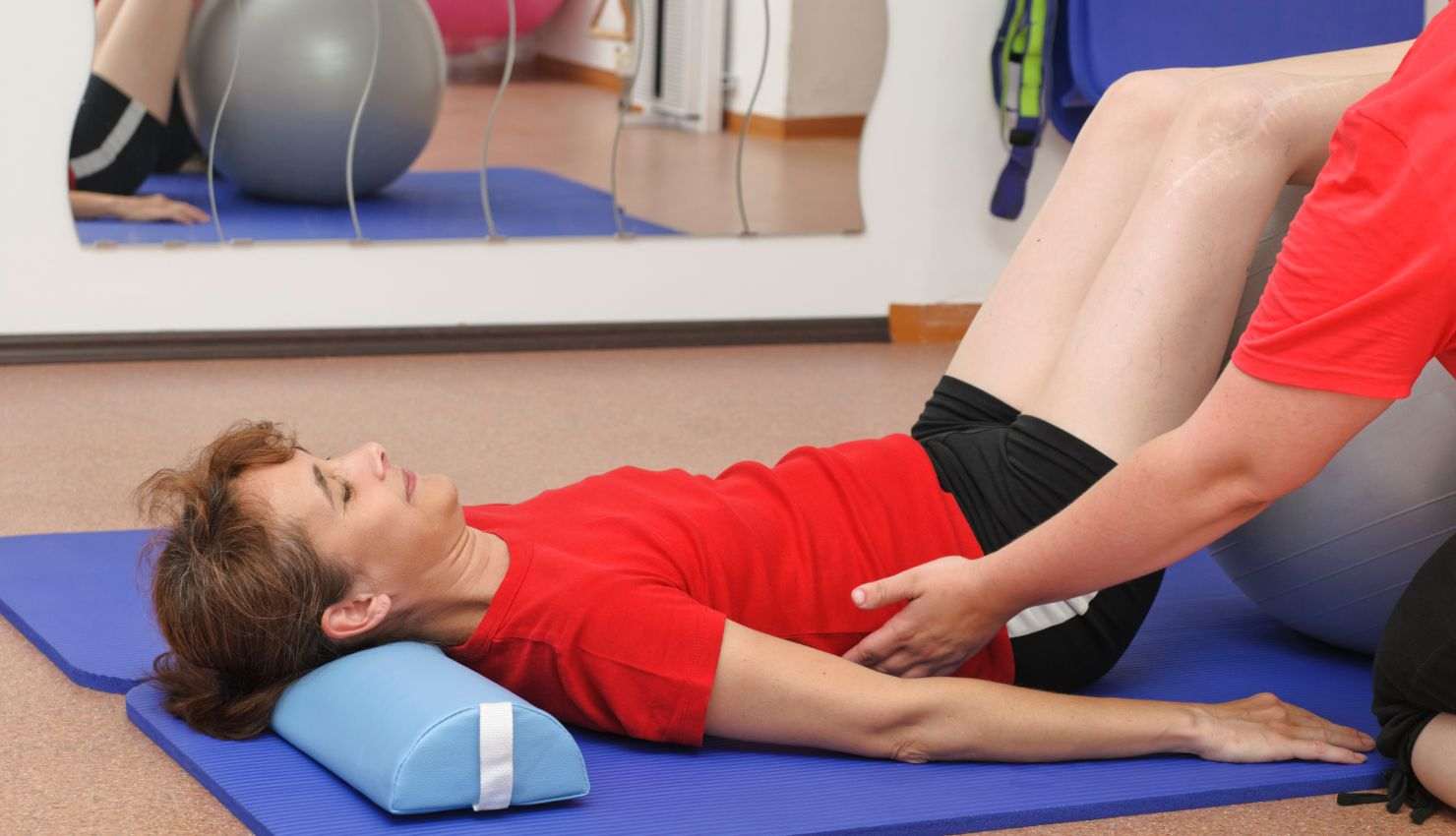
Movement therapy, also known as therapeutic movement or somatic therapy, is an approach that uses physical activity, body awareness, and structured movement to help individuals manage chronic pain. Unlike conventional exercise programs, movement therapy focuses on gentle, mindful movements tailored to an individuals needs and limitations.
1. Rewiring Pain Pathways
Chronic pain is not just a physical issueit also involves the nervous system. Over time, the brain can become hypersensitive, amplifying pain signals even in the absence of physical harm. Movement therapy can help:
Retrain the nervous system to respond more appropriately.
Interrupt the cycle of fear, immobility, and pain.
Reduce pain catastrophizing and build confidence in movement.
2. Reducing Muscle Tension and Improving Mobility
Chronic pain often leads to stiffness and reduced mobility due to disuse or guarding behavior (protecting painful areas). Movement therapy:
Promotes gentle stretching and range-of-motion exercises.
Improves circulation and oxygen flow to tissues.
Reduces muscle guarding and tension.
3. Enhancing Body Awareness (Proprioception)
Many movement therapies (like Feldenkrais, Alexander Technique, or yoga therapy) emphasize mindfulness and body awareness. These practices can:
Help patients identify and correct maladaptive movement patterns.
Improve posture and balance.
Cultivate a more accurate internal sense of the body, which can calm the nervous system.
4. Boosting Endorphins and Mood
Physical activity, even at low intensities, stimulates the release of endorphinsnatural painkillers. Movement therapy often includes rhythmic or enjoyable activities (e.g., dance, tai chi), which:
Elevate mood and reduce anxiety and depressioncommon pain amplifiers.
Reinforce a sense of agency and resilience in individuals living with chronic pain.
5. Creating Sustainable, Personalized Routines
A key advantage of movement therapy is its adaptability. It can be:
Customized for different conditions (e.g., fibromyalgia, arthritis, back pain).
Performed in group or individual settings.
Integrated into daily life to maintain function and prevent flare-ups.
Common Movement Therapies for Chronic Pain:
Yoga therapy: Combines gentle postures, breathing, and meditation.
Tai Chi or Qigong: Low-impact, flowing movements with mindfulness.
Feldenkrais Method: Focuses on neuroplasticity through small, conscious movements.
Alexander Technique: Improves posture and movement efficiency.
Dance movement therapy: Encourages emotional expression and physical release.