Great question! Movement therapy is a powerful tool for postural correction because it tar…

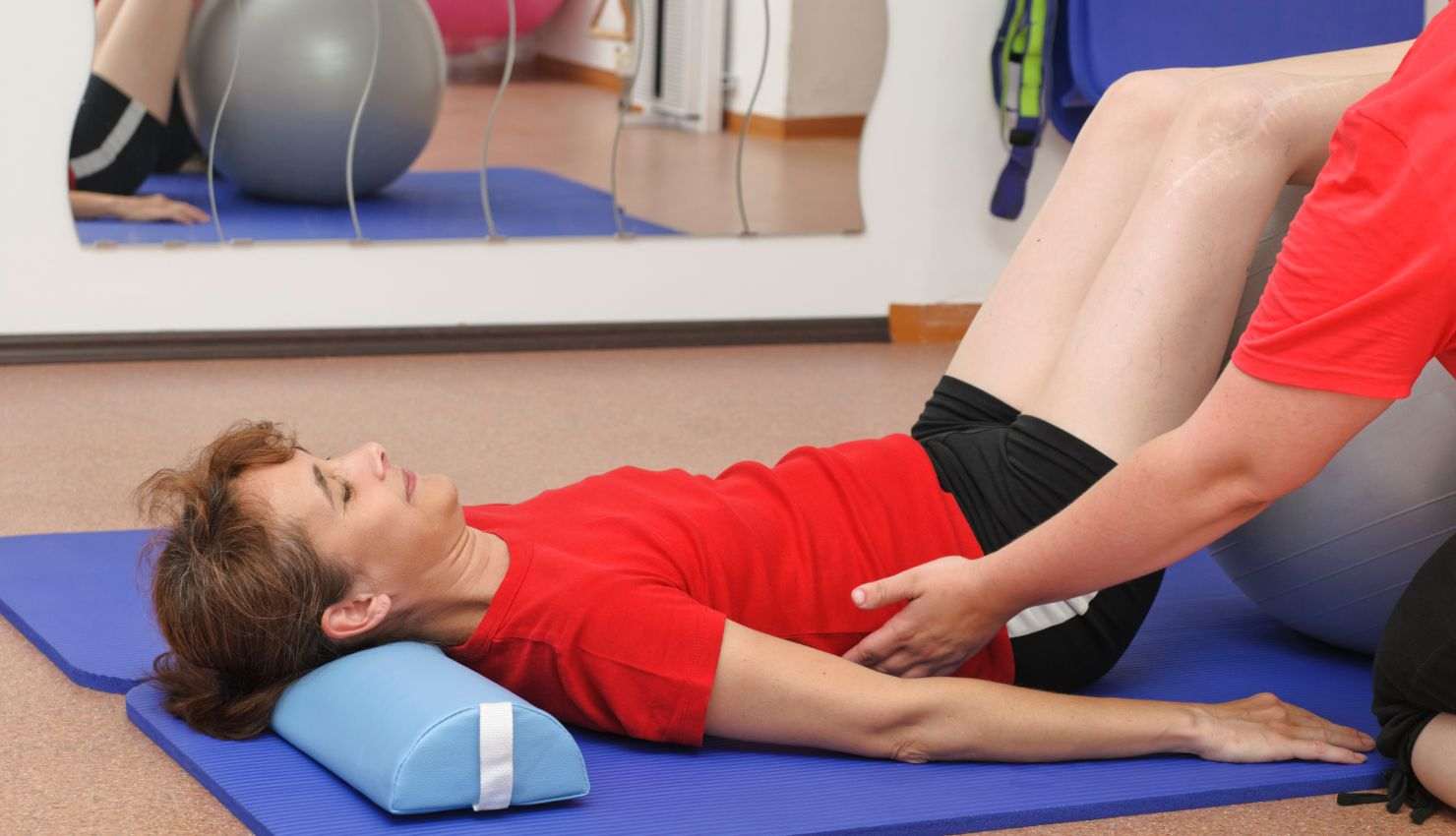
Great question! Movement therapy is a powerful tool for postural correction because it targets the root causes of poor posturenamely muscle imbalances, joint restrictions, and faulty movement patternsrather than just addressing symptoms.
Heres how it helps:
How Movement Therapy Supports Postural Correction
1. Identifies Muscle Imbalances
Poor posture often comes from tight or overactive muscles pulling joints out of alignment and weak or inhibited muscles failing to support proper posture.
Movement therapy uses assessments (e.g., functional movement screening) to pinpoint these imbalances.
2. Releases Overactive Muscles
Tight muscles restrict joint mobility and contribute to faulty posture.
Techniques like myofascial release, dynamic stretching, and foam rolling help reduce muscle tension and restore normal length.
3. Activates Weak or Inhibited Muscles
Weak muscles fail to stabilize joints, allowing poor postural habits to persist.
Movement therapy incorporates targeted activation exercises to strengthen these muscles and retrain neural pathways.
Example: Activating deep neck flexors to correct forward head posture.
4. Retrains Movement Patterns
Posture is dynamic; it depends on how muscles work together during movement.
Movement therapy uses functional exercises to rebuild coordinated muscle activity and encourage proper alignment during daily activities.
5. Improves Joint Mobility
Restricted joint movement can force compensations that worsen posture.
Mobility drills and controlled articular rotations (CARs) help restore joint range of motion, especially in the thoracic spine, hips, and shoulders.
6. Enhances Proprioception and Body Awareness
Good posture requires constant feedback from the body about alignment.
Movement therapy trains proprioception so clients can sense and correct their posture subconsciously.
7. Incorporates Behavioral and Ergonomic Strategies
Movement therapy often integrates education on ergonomics, posture habits, and mindful movement to reinforce long-term changes.