Integrating movement therapy into your rehabilitation plan can significantly enhance recov…

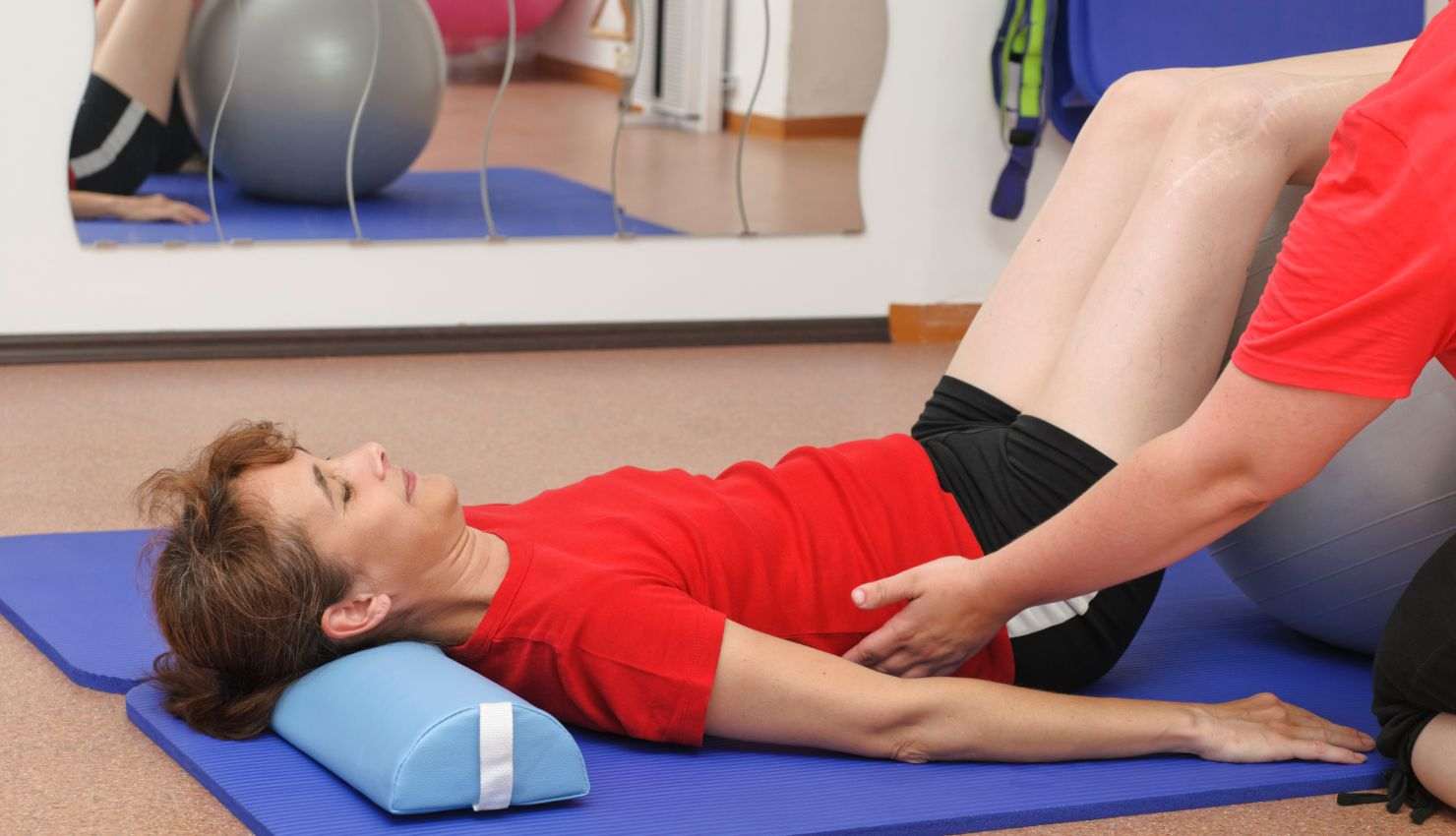
Integrating movement therapy into your rehabilitation plan can significantly enhance recovery by improving mobility, strength, coordination, and reducing pain. Heres a step-by-step guide on how to do it effectively:
How to Integrate Movement Therapy into Your Rehabilitation Plan
1. Comprehensive Assessment
Purpose: Identify movement limitations, muscle imbalances, joint restrictions, pain triggers, and functional goals.
Tools: Functional movement screening, range of motion tests, strength assessments, gait analysis.
Outcome: Baseline data to tailor the therapy.
2. Set Clear, Realistic Goals
Define short-term and long-term goals based on patient needs and injury specifics.
Goals may include restoring range of motion, increasing strength, improving balance, or returning to specific activities.
3. Design a Progressive Movement Therapy Program
Start with Pain-Free Mobility: Gentle range of motion and controlled articular rotations (CARs).
Add Muscle Activation Exercises: Target weak or inhibited muscles.
Incorporate Strength Training: Gradual load progression with resistance bands, weights, or body weight.
Include Neuromuscular Control and Proprioception: Balance exercises, coordination drills.
Advance to Functional & Sport-Specific Movements: Mimic daily or athletic tasks for reintegration.
4. Incorporate Pain Management Techniques
Use modalities like heat, ice, or manual therapy alongside movement to optimize comfort.
Modify or regress exercises if pain increases beyond a tolerable level.
5. Educate and Encourage Patient Engagement
Teach proper movement patterns and posture.
Encourage adherence by explaining the purpose and benefits of each exercise.
Promote self-management strategies and home exercise programs.
6. Monitor and Reassess Regularly
Track progress toward goals and adjust the program accordingly.
Use subjective feedback (pain levels, function) and objective measures (strength, ROM).
7. Collaborate with Other Healthcare Providers
Coordinate with physicians, occupational therapists, and trainers for a multidisciplinary approach.
Ensure movement therapy complements medical treatments and other rehabilitation modalities.