Great topic! Movement-based therapy is a cornerstone for enhancing both flexibility (the a…

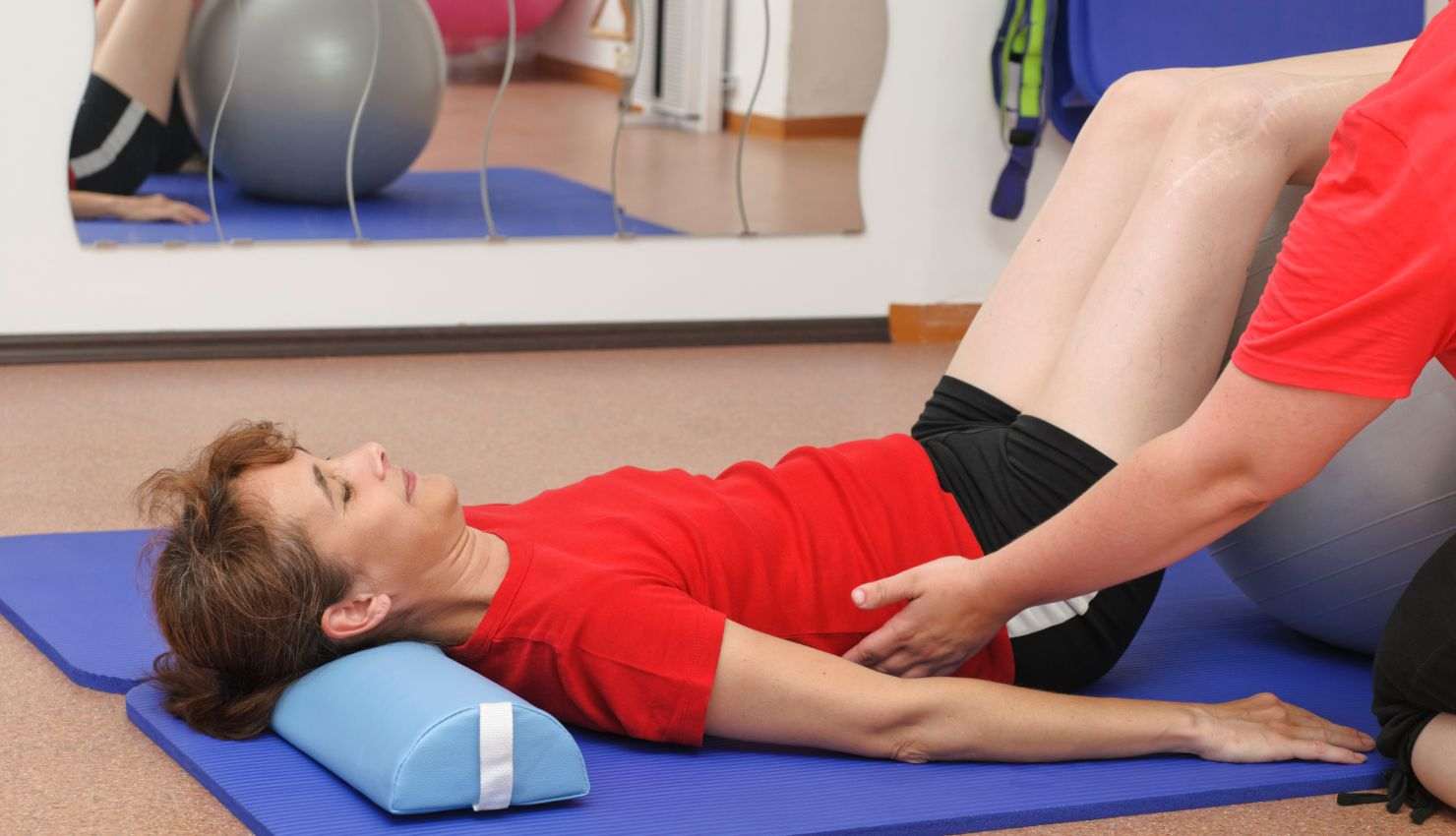
Great topic! Movement-based therapy is a cornerstone for enhancing both flexibility (the ability of muscles and connective tissues to lengthen) and mobility (the ability to move a joint through its full range of motion). Heres how it works and why its so effective:
How Movement-Based Therapy Enhances Flexibility and Mobility
1. Promotes Muscle and Connective Tissue Lengthening
Dynamic and controlled movements gently stretch muscles, tendons, and fascia, improving their extensibility.
This reduces stiffness and allows muscles to elongate safely.
Example: Dynamic leg swings, controlled arm circles.
2. Improves Joint Range of Motion
Movement therapy uses controlled joint mobilizations and active range of motion exercises to maintain or increase joint flexibility.
Helps prevent joint capsule tightness and adhesions.
Example: Controlled articular rotations (CARs), hip circles.
3. Enhances Neuromuscular Control and Muscle Relaxation
By training the nervous system to properly activate and relax muscles, movement therapy reduces excessive muscle guarding that limits flexibility.
Techniques like proprioceptive neuromuscular facilitation (PNF) stretch combine muscle contraction and relaxation for deeper lengthening.
4. Encourages Functional Movement Patterns
Rather than isolated stretching, movement therapy integrates flexibility into functional, multi-joint movements.
This enhances not just muscle length, but how that length translates into usable mobility during activities.
Example: Deep squats, lunges with a twist.
5. Increases Blood Flow and Tissue Health
Movement stimulates circulation, delivering oxygen and nutrients to muscles and joints.
This promotes tissue repair and reduces stiffness associated with poor circulation.
6. Reduces Risk of Injury
Improved flexibility and mobility allow for better joint alignment and muscle balance, decreasing strain during movement and lowering injury risk.