How Movement Therapy Improves Functional Mobility 1. Restores Joint Range of Motion Moveme…

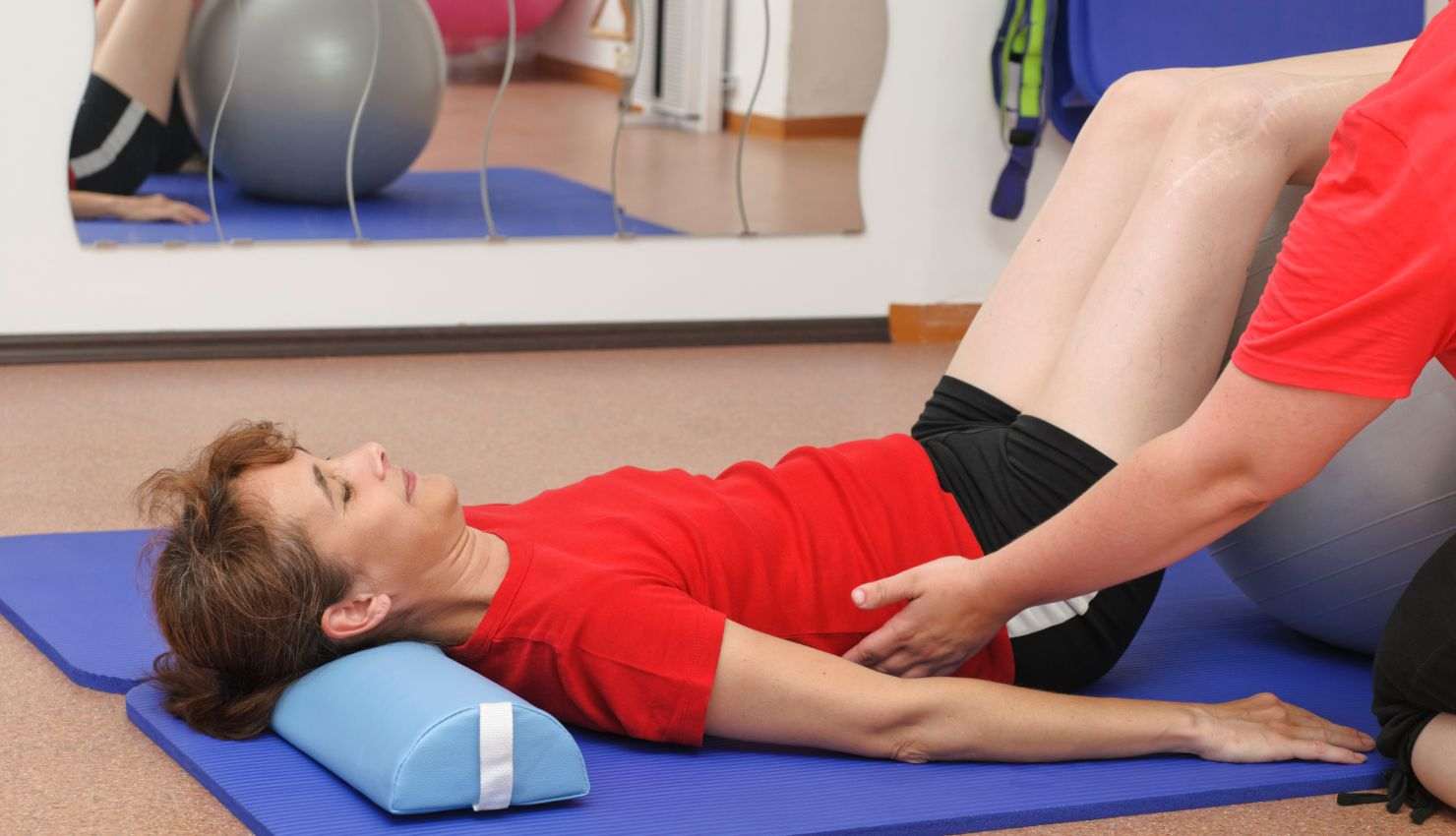
How Movement Therapy Improves Functional Mobility
1. Restores Joint Range of Motion
Movement therapy helps recover and maintain full joint mobility essential for everyday tasks like walking, bending, and reaching.
Exercises target specific joints to reduce stiffness and improve flexibility.
2. Builds Muscle Strength
Strong muscles around key joints improve stability and power needed for functional movements such as standing up, climbing stairs, or lifting objects.
Therapy includes progressive resistance training tailored to individual capacity.
3. Enhances Balance and Coordination
Movement therapy incorporates balance training to prevent falls and improve the ability to perform complex tasks that require coordination.
Exercises challenge postural control and neuromuscular integration.
4. Improves Motor Planning and Neuromuscular Control
Repetitive, task-specific movements retrain the nervous system to optimize muscle activation patterns.
This improves smoothness, efficiency, and safety of movement.
5. Increases Endurance
Aerobic and functional endurance training enable longer sustained activity, reducing fatigue during daily living.
6. Focuses on Task-Specific Training
Functional exercises mimic real-life activities (e.g., sit-to-stand, reaching, walking).
This directly translates gains in therapy to improved independence.