How to Use Movement Therapy to Alleviate Neck Pain 1. Gentle Range of Motion Exercises Sta…

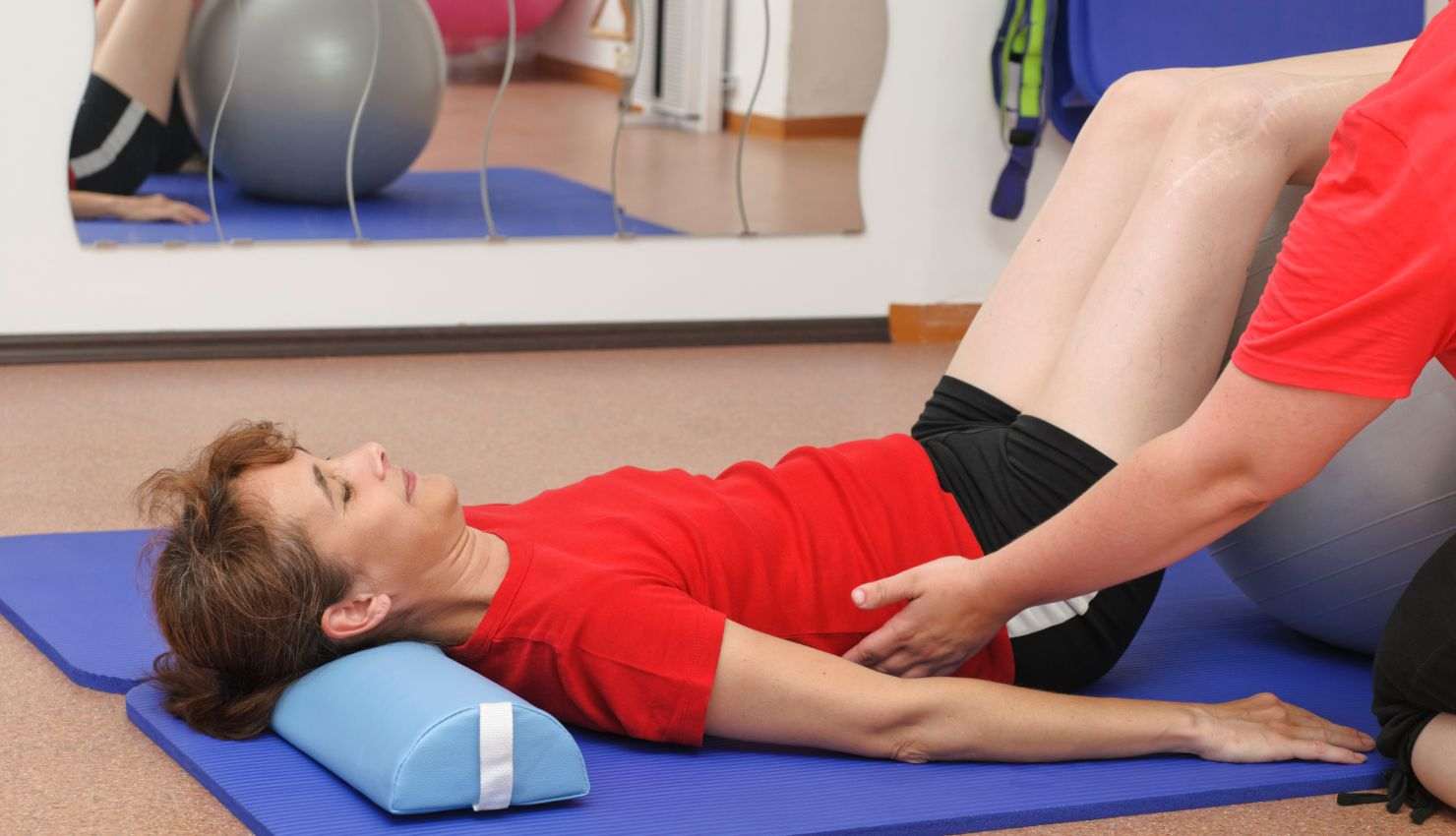
How to Use Movement Therapy to Alleviate Neck Pain
1. Gentle Range of Motion Exercises
Start with slow, controlled movements to improve neck mobility without aggravating pain.
Examples:
Neck flexion and extension (nodding yes slowly)
Neck rotation (turning head side to side)
Lateral flexion (ear to shoulder movement)
2. Postural Correction Exercises
Poor posture (especially forward head posture) often contributes to neck pain.
Movement therapy focuses on strengthening postural muscles and promoting proper alignment.
Exercises:
Chin tucks (retracting the chin to lengthen the back of the neck)
Scapular retractions (pinching shoulder blades together)
3. Isometric Neck Strengthening
Strengthen neck muscles without excessive movement to reduce strain and support spinal structures.
Examples:
Pressing forehead into hand without moving head
Pressing side of head into hand, resisting movement
4. Stretching Tight Muscles
Stretch muscles prone to tightness in neck pain sufferers, such as upper trapezius and levator scapulae.
Example stretches:
Upper trapezius stretch (tilt head to one side, gently pull with hand)
Levator scapulae stretch (turn head 45°, look down, gently pull head down)
5. Mobilization and Soft Tissue Techniques
Therapists may incorporate joint mobilizations and soft tissue massage to reduce stiffness and improve blood flow.
Self-massage or foam rolling of upper back can also help.
6. Functional Movement and Ergonomics
Movement therapy includes training on safe movement patterns and ergonomic advice to avoid repetitive strain.
Encourages frequent breaks and neck mobility during prolonged sitting or screen time.
7. Aerobic Conditioning
Low-impact aerobic exercises like walking or swimming increase circulation, helping reduce pain and stiffness.
Tips for Effective Movement Therapy for Neck Pain
Move within pain-free or minimal discomfort range.
Perform exercises regularly, ideally daily.
Combine with heat or cold therapy as needed.
Progress exercises gradually under professional guidance.