Movement Therapy for Managing Foot and Ankle Pain 1. Improves Joint Mobility Gentle range-…

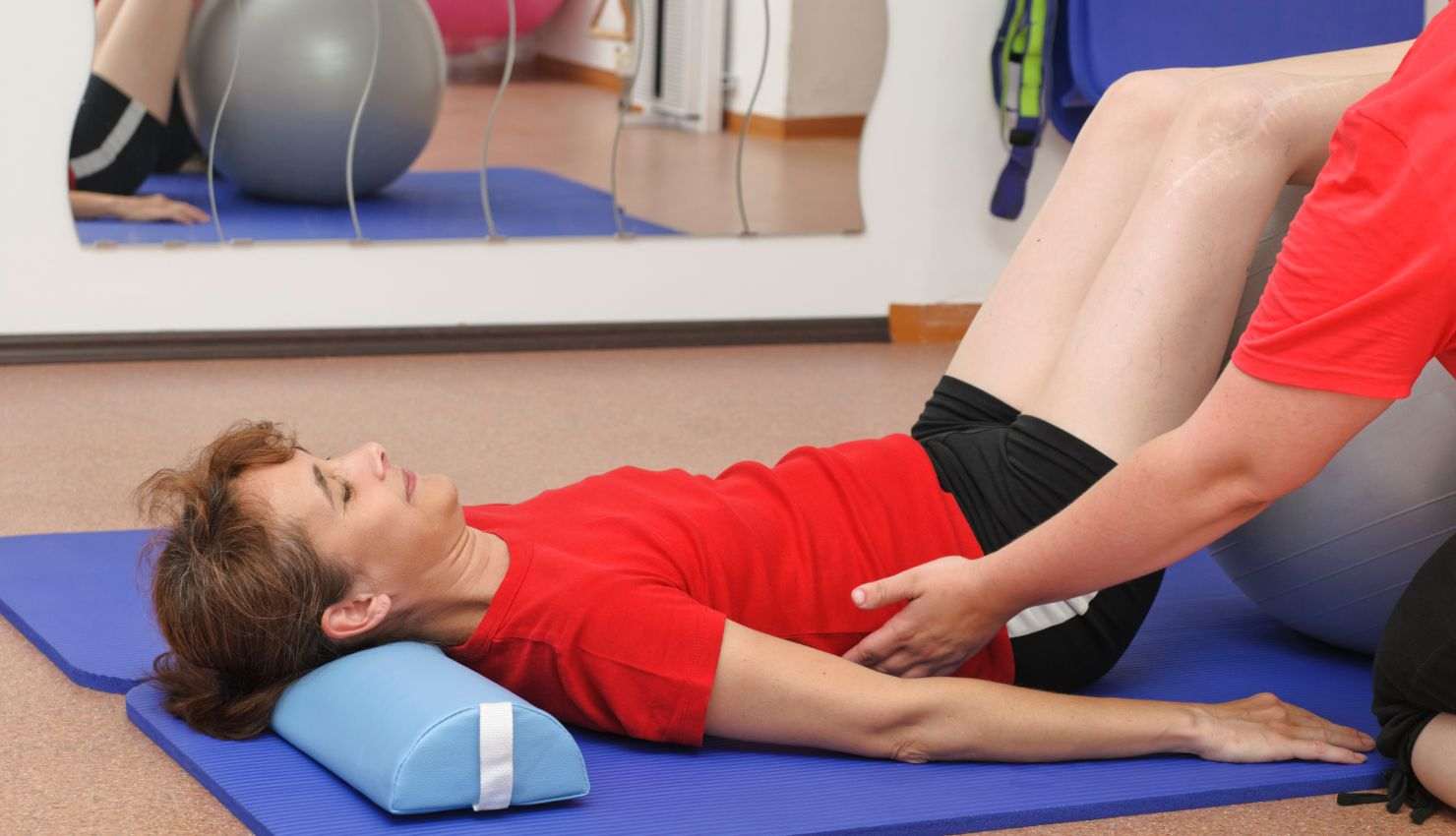
Movement Therapy for Managing Foot and Ankle Pain
1. Improves Joint Mobility
Gentle range-of-motion exercises help reduce stiffness and maintain ankle flexibility.
Examples:
Ankle circles (rotate foot clockwise and counterclockwise)
Alphabet exercise (trace letters with toes in the air)
2. Strengthens Supporting Muscles
Strengthening foot intrinsic muscles and ankle stabilizers reduces strain on joints and tendons.
Examples:
Toe curls (scrunching a towel with toes)
Heel raises (lifting heels off the ground)
Resistance band exercises for ankle dorsiflexion, plantarflexion, inversion, and eversion
3. Enhances Balance and Proprioception
Foot and ankle proprioception is crucial for stability and injury prevention.
Exercises:
Single-leg stands
Standing on a foam pad or balance board
4. Reduces Pain and Inflammation
Movement promotes blood flow and nutrient delivery to tissues, aiding recovery.
Low-impact exercises reduce stress while keeping joints active.
5. Improves Functional Mobility
Movement therapy includes gait training and functional tasks to restore walking and weight-bearing activities.
Example:
Heel-to-toe walking
Step-ups
6. Prevents Future Injury
Strengthening and balance exercises reduce risk of sprains, strains, and overuse injuries.
Sample Movement Therapy Exercises for Foot and Ankle Pain
Exercise Purpose How to Do It
Ankle Circles Improve mobility Rotate foot slowly in circles
Toe Curls Strengthen intrinsic foot muscles Scrunch towel with toes
Heel Raises Strengthen calves and ankle stabilizers Raise heels, hold, and lower slowly
Resistance Band Movements Strengthen ankle muscles Use band to resist dorsiflexion, plantarflexion, inversion, eversion
Single-Leg Balance Enhance proprioception Stand on one foot, hold for 30 sec
Heel-to-Toe Walk Improve gait and coordination Walk in a straight line heel-to-toe