Movement Therapy for Correcting Abnormal Gait Patterns 1. Assessment Comes First A physiot…

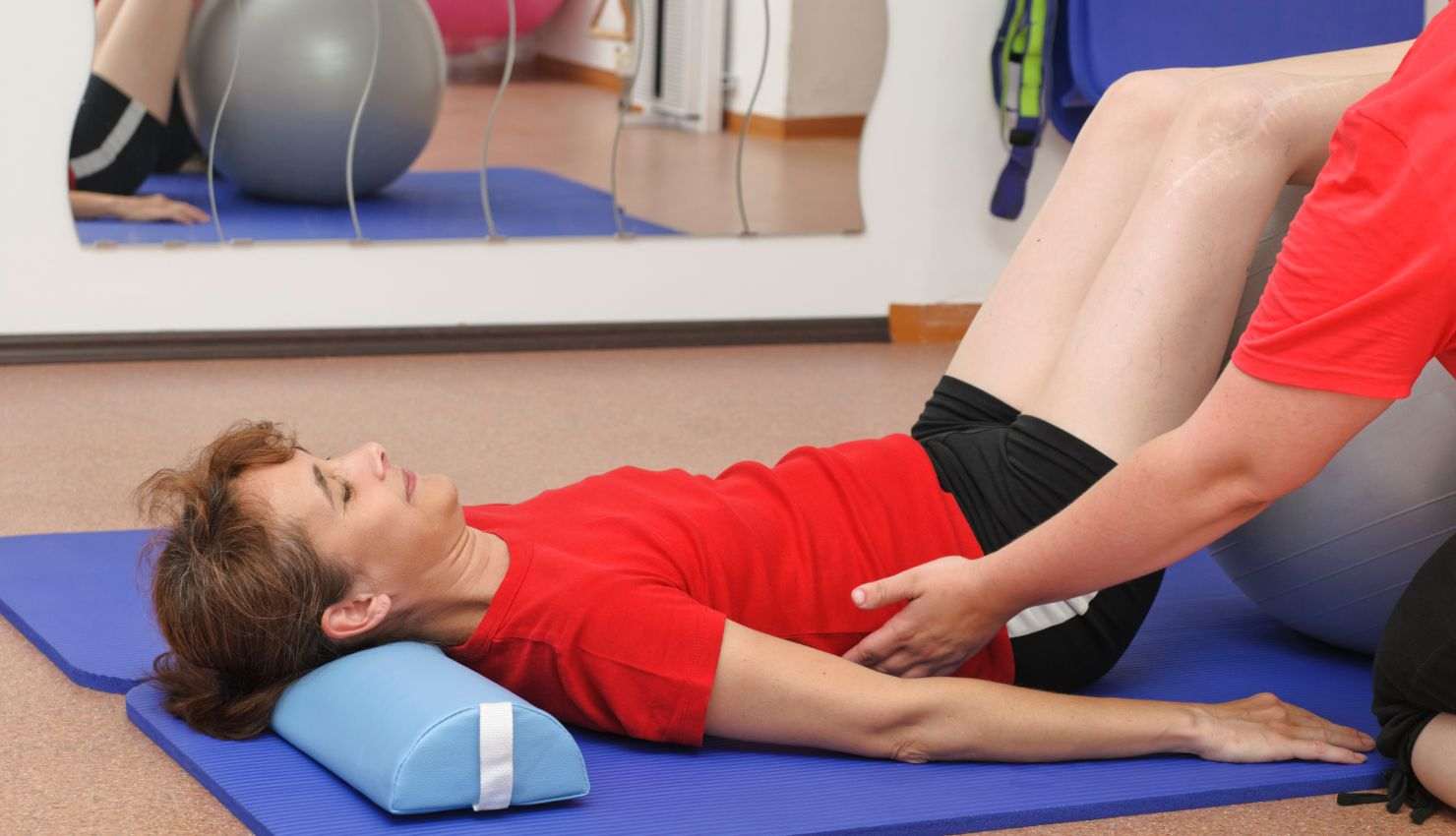
Movement Therapy for Correcting Abnormal Gait Patterns
1. Assessment Comes First
A physiotherapist will assess:
Step length
Weight distribution
Arm swing
Foot strike
Pelvic alignment
Identifies whether the gait abnormality is due to weakness, tightness, pain, or neurological issues.
2. Neuromuscular Re-education
Focuses on retraining muscles and the nervous system to coordinate correct movement.
Repetitive, purposeful movements help restore proper motor patterns.
Examples:
Heel-to-toe walking
Step-over drills
Marching in place
3. Strengthening Weak Muscle Groups
Weak muscles often cause compensatory patterns (e.g., hip hike, foot drag).
Strengthening key muscle groups (core, glutes, hamstrings, quadriceps, calves) improves walking mechanics.
Targeted Exercises:
Glute bridges
Step-ups
Terminal knee extensions
Single-leg balance drills
4. Stretching Tight Muscles
Tight or shortened muscles (like hip flexors, hamstrings, or calves) can disrupt stride and posture.
Stretching restores proper range of motion.
Common Stretches:
Standing hamstring stretch
Calf stretch against a wall
Hip flexor lunge stretch
5. Balance and Proprioception Training
Gait requires stability and body awareness, especially during single-leg stance.
Exercises challenge the bodys ability to stay centered and react to movement.
Balance Drills:
Single-leg stands
Foam pad exercises
Tandem walking (heel-to-toe line walk)
6. Gait-Specific Functional Training
Therapists guide patients through real-world walking tasks: stairs, curbs, uneven terrain.
Treadmill or overground walking with verbal/visual cues may be used for feedback.