Movement Therapy for Treating Shoulder Pain and Injury Common Causes of Shoulder Pain Addr…

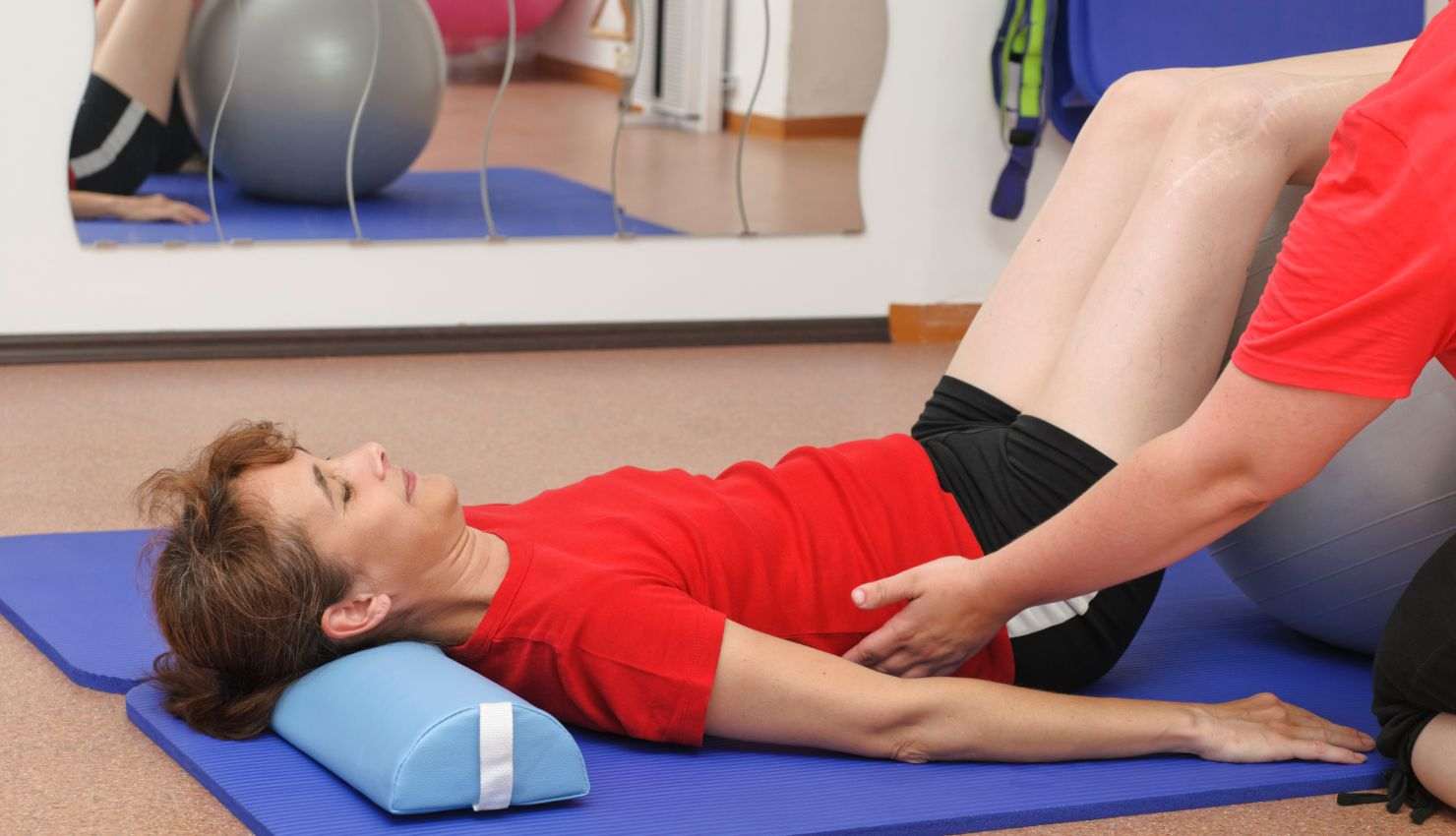
Movement Therapy for Treating Shoulder Pain and Injury
Common Causes of Shoulder Pain Addressed by Movement Therapy:
Rotator cuff injuries (tears, strains)
Shoulder impingement
Frozen shoulder (adhesive capsulitis)
Bursitis or tendonitis
Post-surgical recovery (e.g., labral repair, rotator cuff repair)
Poor posture or muscle imbalances
How Movement Therapy Helps
1. Improves Range of Motion
Shoulder injuries often result in tightness or limited movement, especially in flexion, abduction, or external rotation.
Controlled movement helps loosen joint capsules and stretch tight muscles.
Exercises:
Pendulum swings
Wall crawls (flexion and abduction)
Sleeper stretch (for internal rotation)
2. Strengthens Supporting Muscles
Strengthening the rotator cuff and scapular stabilizers (like the serratus anterior and lower traps) helps protect the joint and restore function.
Key Strength Exercises:
External rotation with resistance band
Scapular retraction rows
Isometric shoulder holds
3. Enhances Joint Stability and Control
Movement therapy emphasizes neuromuscular control, retraining muscles to coordinate smoothly and avoid impingement or overuse.
Stability Drills:
Wall push-up plus (for scapular protraction)
Closed-chain weight shifts on table or wall
Y-T-W scapular activation exercises
4. Reduces Pain Through Gentle Loading
Progressive loading of the shoulder helps remodel tissue, reduce inflammation, and promote healing without overstraining.
Approach:
Start with isometrics (no joint motion)
Progress to resisted ROM and eccentric control
5. Restores Functional Movement
Movement therapy uses functional patterns (reaching, lifting, overhead motion) to reintegrate the shoulder into daily life or sport.
Functional Movements:
Overhead reach with light weight
Object retrieval at different heights
Sport-specific drills (e.g., throwing mechanics)
Sample Movement Therapy Progression (Post-Injury or Pain Phase)
Phase Focus Sample Exercises
Acute (02 weeks) Reduce pain, maintain gentle mobility Pendulums, table slides, isometrics
Subacute (26 wks) Regain range, activate stabilizers Resistance band work, scapular drills
Late (6+ weeks) Build strength, restore function Overhead press progression, sport/work drills
Important Notes:
Always start slow and increase load gradually.
Avoid exercises that trigger sharp pain or numbness.
Incorporate postural correction to reduce forward shoulder stress.
?? Benefits of Movement Therapy for Shoulder Pain
?? Reduces inflammation and stiffness
?? Restores shoulder strength and coordination
?? Prevents re-injury through better movement habits
?? Improves quality of life and performance