The Benefits of Movement Therapy for Rehabilitation After Surgery 1. Accelerates Healing a…

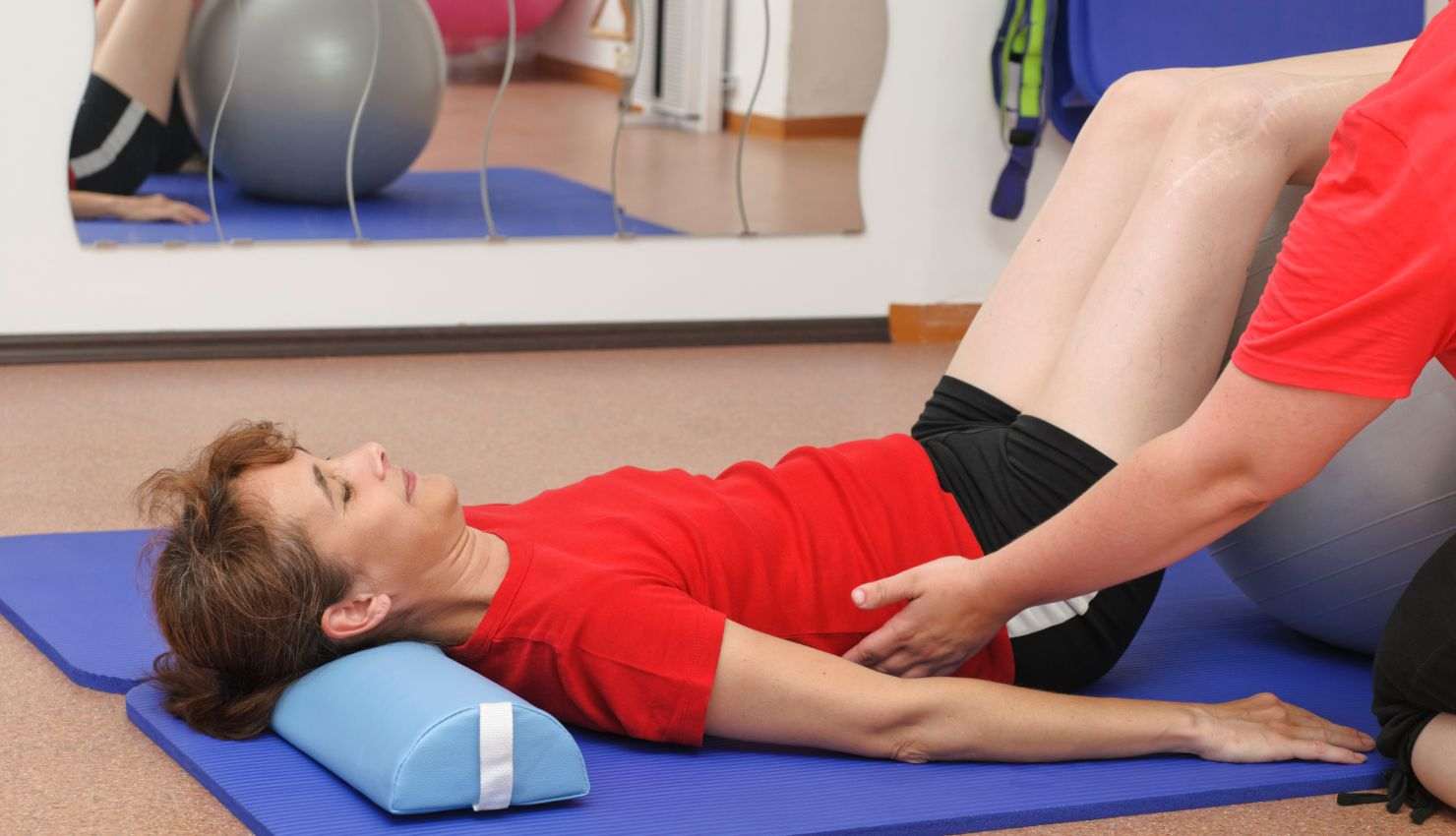
The Benefits of Movement Therapy for Rehabilitation After Surgery
1. Accelerates Healing and Tissue Recovery
Gentle, progressive movement improves blood circulation, delivering oxygen and nutrients essential for tissue repair.
Enhances removal of waste products and reduces swelling through improved lymphatic flow.
2. Prevents Joint Stiffness and Muscle Atrophy
Immobilization after surgery often leads to joint stiffness and muscle wasting.
Movement therapy maintains range of motion (ROM) and prevents muscle loss by stimulating muscle activation early.
3. Reduces Risk of Post-Surgical Complications
Early mobilization lowers chances of blood clots (DVT), pneumonia, and pressure sores.
Encourages deep breathing exercises and limb movement to prevent these common complications.
4. Restores Functional Mobility and Strength
Tailored exercises progressively rebuild strength, coordination, and balance, enabling patients to resume daily activities.
Helps patients regain confidence in using the operated limb or joint safely.
5. Minimizes Scar Tissue Formation and Adhesions
Movement therapy promotes proper scar tissue remodeling, preventing tight, restrictive adhesions that limit mobility.
Encourages tissue glide and elasticity through gentle stretching and mobilization.
6. Improves Psychological Well-Being
Active participation in rehabilitation fosters a sense of control and reduces post-surgery anxiety or depression.
Movement increases endorphin levels, helping combat fatigue and mood swings common after surgery.
Typical Movement Therapy Timeline After Surgery
Phase Focus Examples
Immediate Post-Op Protect incision, prevent complications Deep breathing, ankle pumps, gentle passive ROM
Early Rehab (1-2 wks) Restore gentle mobility and muscle activation Assisted range-of-motion, isometric contractions
Mid Rehab (3-6 wks) Build strength, increase active motion Resistance exercises, balance training
Late Rehab (6+ wks) Functional training, return to activity Functional tasks, sport-specific drills