How Movement Therapy Helps with Recovery from Sports Injuries 1. Promotes Optimal Healing…

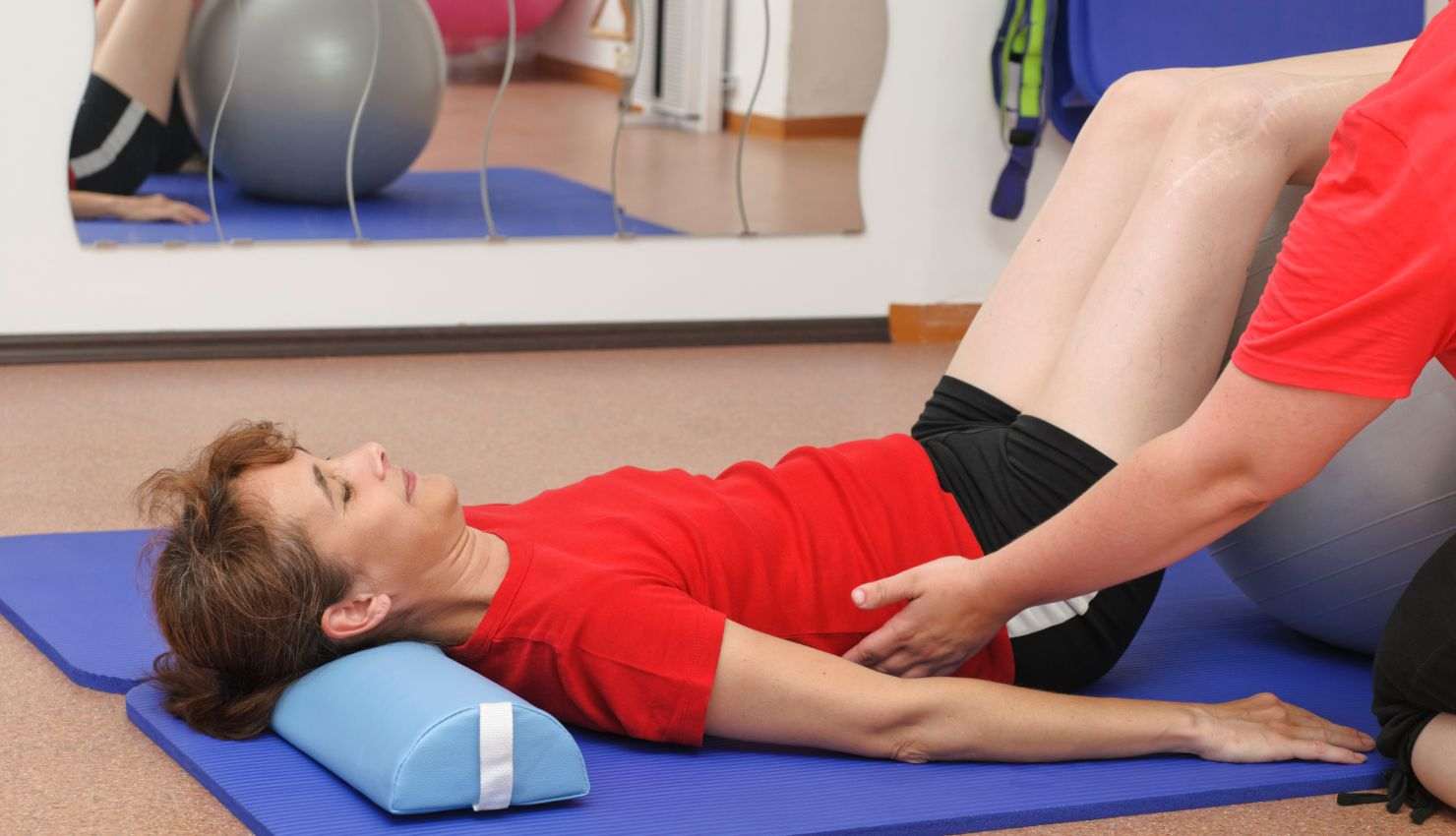
How Movement Therapy Helps with Recovery from Sports Injuries
1. Promotes Optimal Healing
Early gentle movement increases blood flow and oxygen delivery to injured tissues, accelerating repair.
Prevents tissue adhesion and excessive scar formation by encouraging organized collagen alignment.
2. Restores Range of Motion and Flexibility
Injuries often cause joint stiffness and muscle tightness.
Movement therapy uses stretching and mobility exercises to restore full, pain-free motion.
3. Rebuilds Strength and Stability
Strengthening exercises target muscles weakened by injury or immobilization.
Improves joint stability and functional support to prevent re-injury.
4. Enhances Neuromuscular Control and Coordination
Injury can disrupt muscle firing patterns and balance.
Movement therapy retrains the nervous system to coordinate movements efficiently, enhancing balance, agility, and reaction times.
5. Reduces Pain and Swelling
Controlled movement stimulates circulation, helping to reduce inflammation.
Activates pain-modulating mechanisms through gentle exercise.
6. Facilitates Safe Return to Sport
Functional and sport-specific movement patterns are gradually reintroduced.
Ensures the athlete can perform at pre-injury levels with confidence and reduced risk.
??? Typical Movement Therapy Stages for Sports Injury Recovery
Stage Focus Examples
Acute Phase Protect injury, reduce pain/swelling Rest, gentle ROM, isometrics
Subacute Phase Restore mobility, start strengthening Active ROM, resistance bands
Functional Phase Build strength, neuromuscular control Balance drills, plyometrics
Return to Sport Sport-specific skills, conditioning Agility drills, sport-specific drills