The Importance of Breathing Techniques in Movement Therapy 1. Enhances Oxygen Delivery and…

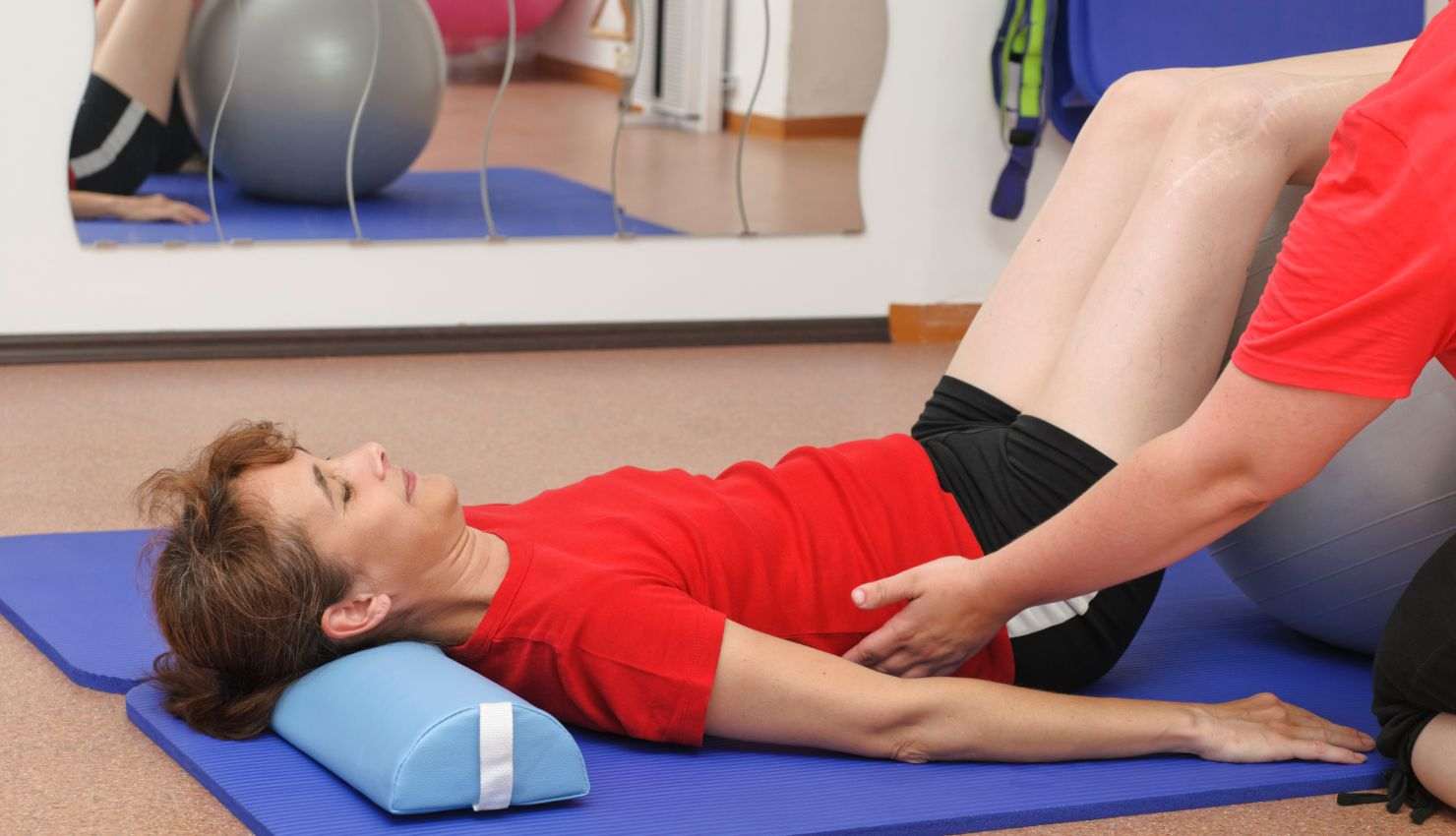
The Importance of Breathing Techniques in Movement Therapy
1. Enhances Oxygen Delivery and Energy
Proper breathing increases oxygen intake, fueling muscles and tissues during movement.
Efficient oxygen delivery improves endurance and reduces fatigue.
2. Improves Core Stability
The diaphragm works closely with core muscles like the transverse abdominis and pelvic floor.
Coordinated breathing stabilizes the spine, supporting better posture and safer movement.
3. Reduces Muscle Tension and Stress
Controlled breathing activates the parasympathetic nervous system, promoting relaxation.
This reduces muscle tightness and helps manage pain during therapy.
4. Facilitates Better Movement Control and Coordination
Synchronizing breath with movement improves timing and motor control.
Helps in retraining proper movement patterns, especially after injury.
5. Supports Mental Focus and Mindfulness
Breath awareness increases mind-body connection.
Enhances concentration and reduces anxiety, making therapy sessions more effective.
?? Common Breathing Techniques in Movement Therapy
Technique Purpose
Diaphragmatic Breathing Deep abdominal breathing for relaxation
Box Breathing Rhythmic breath control for focus
Coordinated Breath-Movement Sync breath with exertion phases (e.g., exhale on exertion)
Alternate Nostril Breathing Balances nervous system, reduces stress
?? Tips for Integrating Breathing in Movement Therapy
Focus on slow, deep breaths through the nose.
Breathe into the belly, not just the chest.
Coordinate breathing phases with movement (inhale during preparation, exhale during effort).
Practice breathing separately to build awareness before combining with movement.