How to Use Movement Therapy to Manage Fibromyalgia Symptoms Why Movement Helps in Fibromya…

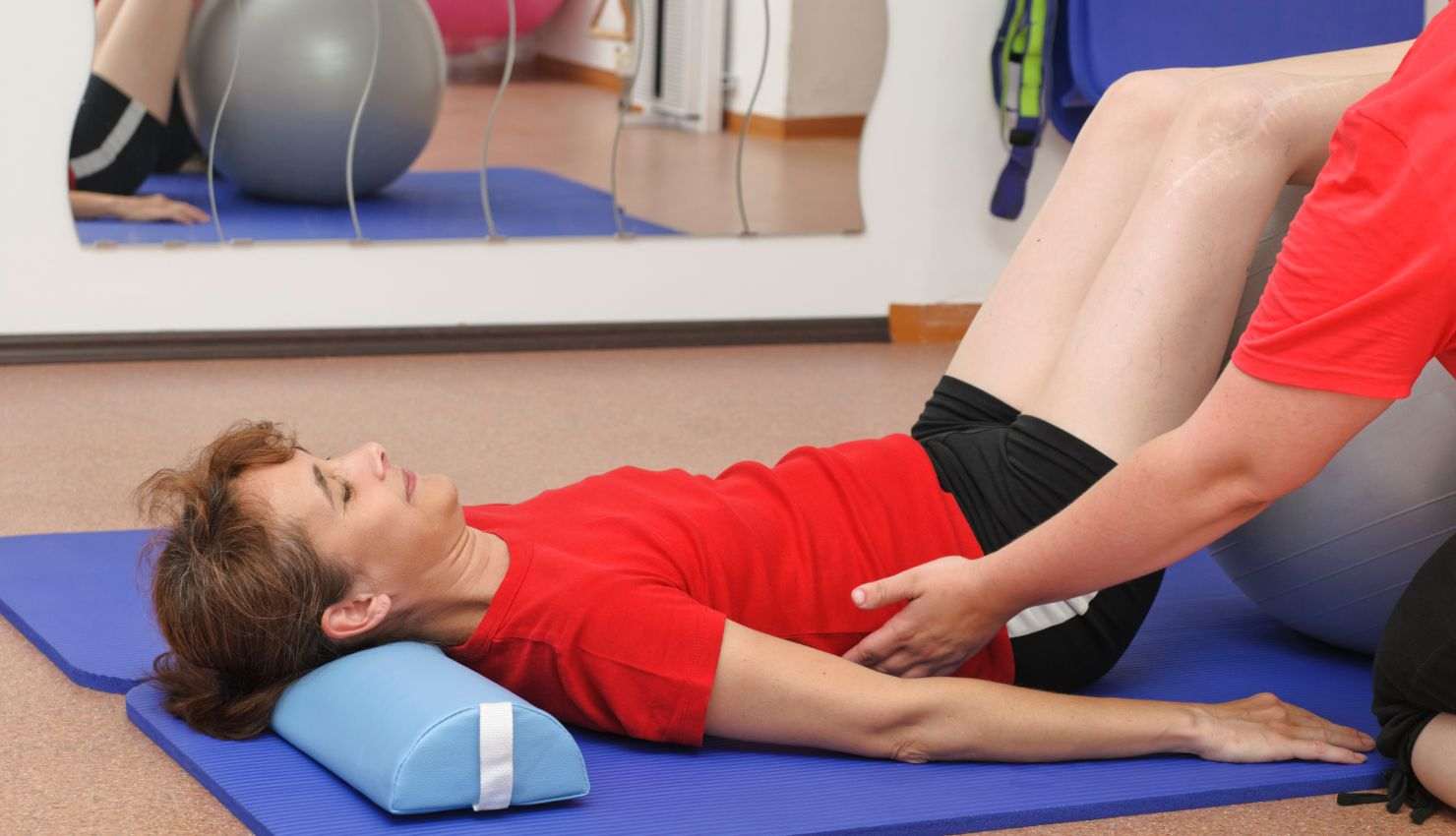
How to Use Movement Therapy to Manage Fibromyalgia Symptoms
Why Movement Helps in Fibromyalgia:
Fibromyalgia involves central sensitization, making the nervous system more sensitive to pain.
Movement therapy helps modulate pain signals, reduce stiffness, and improve sleep and mood.
Key Benefits of Movement Therapy for Fibromyalgia:
1. Reduces Pain and Muscle Stiffness
Gentle, low-impact movement helps ease muscle tightness without triggering flares.
Increases blood flow to muscles, reducing soreness.
2. Improves Sleep Quality
Regular movement supports better sleep patterns, which are often disrupted in fibromyalgia.
3. Enhances Mood and Mental Health
Exercise releases endorphins and serotonin, helping combat depression and anxiety linked to fibromyalgia.
4. Boosts Energy and Reduces Fatigue
Consistent movement combats deconditioning and increases overall stamina.
Recommended Movement Therapy Approaches:
Type Why It Helps Examples
Low-Impact Aerobic Exercise Improves circulation, endurance Walking, swimming, cycling
Gentle Stretching Increases flexibility, reduces stiffness Yoga, tai chi, Pilates
Strength Training (Light) Builds muscle support without overload Resistance bands, bodyweight
Mind-Body Movement Combines movement with relaxation Feldenkrais, Alexander Technique
Practical Tips for Fibromyalgia Movement Therapy:
Start slow and short: Even 5-10 minutes daily is beneficial.
Pace yourself: Avoid overexertion to prevent symptom flare-ups.
Focus on consistency: Regular gentle movement is better than sporadic intense sessions.
Incorporate rest: Balance activity with adequate recovery.
Listen to your body: Modify or pause if pain increases significantly.
Sample Beginner Routine for Fibromyalgia:
Diaphragmatic breathing (3-5 min) relax and center.
Gentle neck and shoulder rolls (5 min) reduce tension.
Slow walking or cycling (10 min) low impact aerobic.
Seated or standing stretches (5 min) focus on major muscle groups.
Relaxation or mindfulness (5 min) support mental well-being.